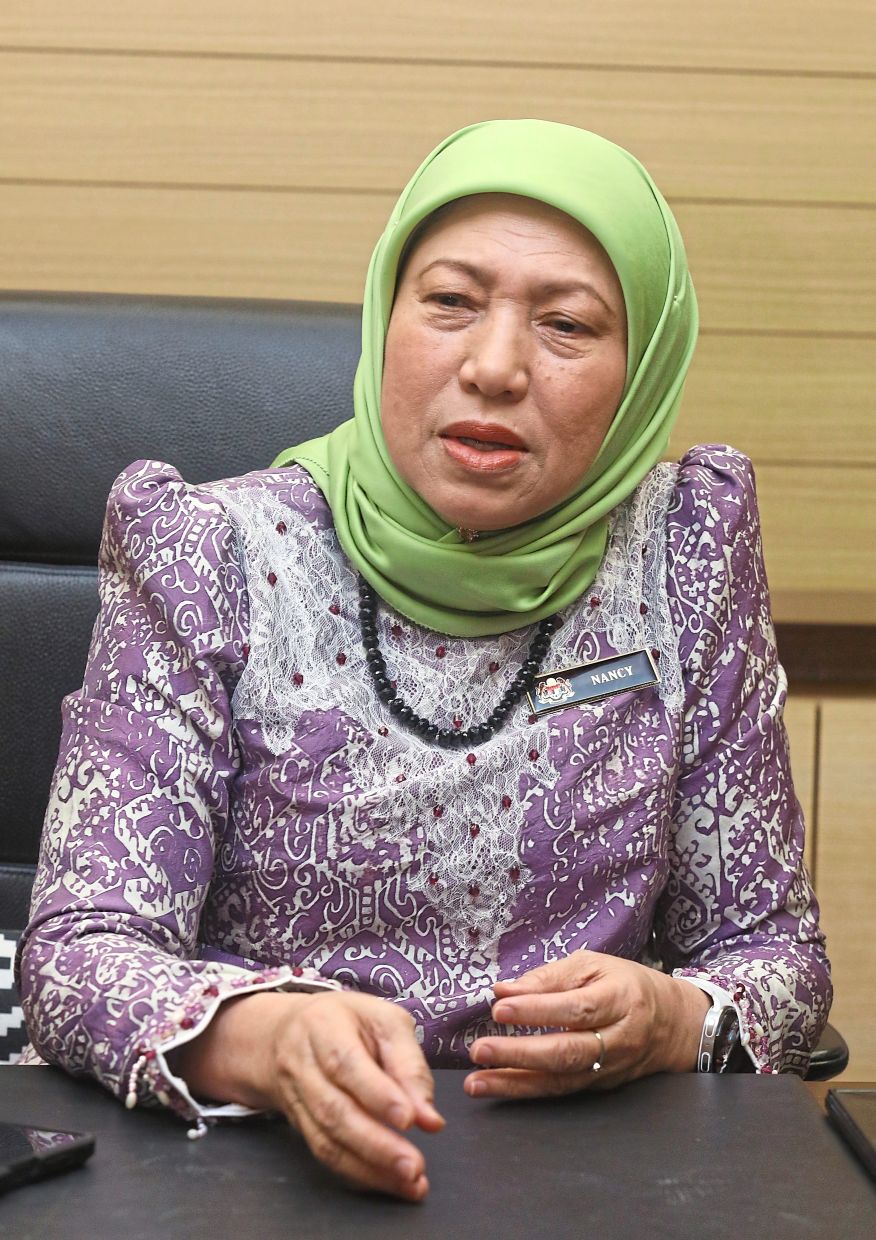
Registering a child as an OKU—a person with disabilities under Malaysian law—represents far more than a bureaucratic formality. According to Datuk Seri Nancy Shukri, the Women, Family and Community Development Minister, early registration is a gateway to transformative support that shapes a child's trajectory through their formative years and beyond. The minister emphasised that obtaining this official recognition, administered by the Social Welfare Department (JKM), fundamentally alters the landscape of assistance available to families managing the complexities of raising a child with disabilities.
The immediate value of OKU registration lies in its capacity to unlock a comprehensive array of government services tailored to individual needs. Children who are registered gain eligibility for financial assistance programmes, rehabilitation services, early intervention initiatives, and access to specialised educational facilities. These services span multiple government portfolios—welfare agencies, healthcare providers, and educational institutions—creating an integrated support ecosystem. Beyond these tangible benefits, the OKU card itself serves as official documentation that simplifies access to various concessions and incentives designed to ease the burden on families, though specific eligibility criteria apply to each programme.
Parents navigating the registration process must prepare several documents through the JKM. The procedure requires submission of the child's birth certificate or identification papers, accompanied by a medical report or official certification documenting the nature and severity of the disability. Additional supporting documentation as stipulated by JKM must also be included in the application. While this administrative process involves some steps, Shukri stressed that the delayed benefits of registration far outweigh the initial effort required. She particularly cautioned against postponement, noting that delays in accessing early intervention services can create cascading disadvantages during critical developmental windows when children are most responsive to therapeutic and educational interventions.
The government's framework for disability support has evolved beyond viewing assistance as a temporary intervention during childhood. Shukri articulated a perspective that recognises the evolving nature of support needs throughout a person's lifespan. As individuals transition from school into adulthood and later life, their circumstances, aspirations, and requirements fundamentally change. The government has positioned itself as committed to providing sustained, adaptive support that acknowledges these evolving needs rather than abandoning individuals once they reach school-leaving age or adulthood—a paradigm shift from more limited, time-bound assistance models.
A significant emphasis in Malaysia's current disability policy involves expanding employment opportunities for persons with disabilities. The government recognises that meaningful work provides not merely economic security but also social inclusion and personal dignity. To facilitate this, JKM has introduced a job coach service that operates as a bridge between employers and workers with disabilities. These specially trained coaches provide ongoing, on-the-job support that helps OKU secure positions and maintain employment stability. Critically, coaches also work directly with employers to reshape workplace cultures and physical environments, transforming abstract inclusion commitments into practical, day-to-day inclusive practices.
Beyond individual job placements, the government is deploying Disability Equality Training (DET) programmes targeting employers, human resources practitioners, and broader employee populations. This initiative goes substantially further than mere awareness-raising exercises. According to Shukri, DET aims to catalyse a fundamental shift in societal perceptions of disability—moving away from deficit-based framings toward recognition of individual capabilities and potential contributions. By embedding this training across corporate hierarchies and across diverse sectors, the government intends to dismantle systemic barriers that have historically excluded persons with disabilities from meaningful economic participation.
The Social Security Organisation (PERKESO) forms another crucial component of Malaysia's employment support infrastructure. PERKESO's initiatives encompass rehabilitation services, skills development training, and employment placement assistance specifically designed for persons with disabilities. These programmes create pathways from initial rehabilitation through skills acquisition to actual job placement. The government has also launched digital platforms such as MyFutureJobs that function as matching mechanisms, connecting job seekers with disabilities to employers actively seeking workers who can fill specific roles. This technological approach addresses information asymmetries that have historically prevented suitable matches between capable workers and employers with genuine labour needs.
The government's ambition extends beyond employment into broader life domains. Policy initiatives now encompass lifelong learning programmes, vocational training options, entrepreneurship support, and independent living assistance. This multifaceted approach reflects recognition that genuine inclusion requires addressing diverse aspects of adult life beyond employment alone. For individuals with disabilities, the capacity to pursue continuous learning, develop business ventures, and exercise independence in daily living represents crucial dimensions of dignity and self-determination. By expanding opportunities across these domains, Malaysia is constructing a more comprehensive support architecture.
For Malaysian parents, the implications of this policy framework are substantial. Registering a child as OKU transitions from a mere administrative task into a strategic parental decision with profound consequences for their child's developmental trajectory and future opportunities. Early registration ensures that therapeutic and educational interventions commence during the developmental periods when they produce maximum benefit. The official recognition provides access to financial relief that eases family burdens, allowing parents to focus more comprehensively on their child's development rather than struggling solely with financial constraints. The registration process, though requiring documentation effort, represents a relatively modest investment compared to the comprehensive support ecosystem it unlocks.
Shukri's emphasis on the government's commitment to sustainable, inclusive support systems reflects a broader policy maturation within Malaysia's disability sector. Rather than viewing disability support as a charitable obligation or temporary intervention, the government has repositioned it as an investment in enabling full societal participation. This shift has practical implications for the quality and consistency of services, the training and professionalisation of support providers like job coaches, and the integration of disability inclusion across government agencies and private sector partnerships. The ongoing collaboration between government bodies, statutory organisations like PERKESO, private sector employers, and non-governmental organisations creates multiple touchpoints through which support reaches individuals and families.
The message Shukri conveyed extends beyond immediate bureaucratic advice. It reflects a vision of Malaysia where children with disabilities are not marginalised but instead recognised early, supported systematically, and integrated throughout their lives into educational, employment, and community settings. For families confronting the challenges of raising children with disabilities, early OKU registration removes a significant barrier to accessing the comprehensive support systems the government has developed. The combination of immediate assistance during childhood, employment pathway support during adulthood, and lifelong learning opportunities throughout life creates a continuum of inclusion. By encouraging parents to register their children promptly, the government aims to ensure that no eligible child falls through cracks created by administrative delays or parental uncertainty about the value of registration.

