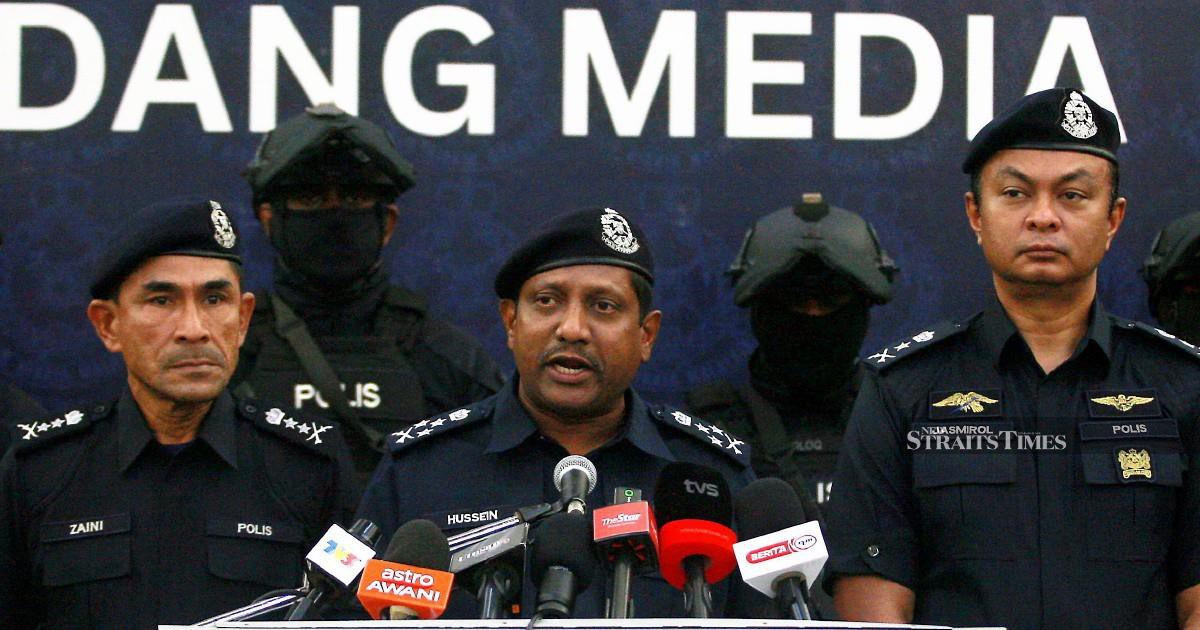
The arrest of a Malaysia Airlines pilot in Jakarta has triggered a significant investigation by Malaysian narcotics authorities, who have now identified organisational links suggesting the drug movement was facilitated by a coordinated syndicate rather than an isolated incident. Investigators have gathered critical intelligence into how the accused pilot managed to traverse security screening at Kuala Lumpur International Airport while transporting controlled substances, raising troubling questions about potential vulnerabilities within the nation's primary aviation hub.
The case has evolved beyond a simple drug-smuggling charge into a more complex criminal enterprise involving multiple actors and systematic methods for bypassing established security procedures. Malaysian authorities are now examining the operational architecture of the suspected syndicate to determine how comprehensively the network may have compromised airport systems or personnel at KLIA. This development suggests that the pilot's arrest represents merely the visible surface of a deeper problem requiring urgent institutional attention.
Airport security represents one of the most critical barriers against drug trafficking into Malaysia, making any successful bypass attempt a matter of national concern. The methods employed in this case—whether involving corruption of airport staff, exploitation of procedural gaps, or manipulation of screening technologies—require immediate forensic analysis to prevent future incidents. The fact that investigators have specifically pinpointed how security checks were circumvented indicates they have gathered sufficient evidence to reconstruct the operational timeline and identify accomplices.
The involvement of a Malaysia Airlines pilot adds a concerning dimension to this investigation. Commercial aviation provides both access and credibility, allowing employees to move through restricted areas with minimal scrutiny under normal circumstances. If security personnel were deliberately negligent or complicit, the implications extend far beyond this single case, suggesting systemic vulnerabilities that could be exploited repeatedly. The syndicate's apparent sophistication in identifying and leveraging this vulnerability demonstrates troubling operational intelligence within criminal networks.
For Malaysia's aviation sector, this case represents a significant reputational challenge during an already sensitive period for international aviation safety and security standards. Major airports worldwide face constant pressure to maintain security protocols while facilitating passenger flow, creating inherent tensions that criminal organisations exploit. The revelation that KLIA's defences may have been compromised will likely prompt comprehensive security audits and potential operational restructuring that could affect airport efficiency and passenger experience.
The connection to a drug syndicate rather than individual criminal action indicates an organised supply chain that extends beyond Malaysia's borders. Such networks typically operate across multiple jurisdictions, suggesting that interdiction efforts will require enhanced regional cooperation between Malaysian authorities and counterparts in Indonesia, Thailand, and other neighbouring nations. The Jakarta arrest itself demonstrates that while international coordination exists, it may not be sufficiently agile to prevent sophisticated organisations from establishing secure transit routes.
Investigators are reportedly tracing connections between the arrested pilot and other potential syndicate members, examining whether additional Malaysia Airlines employees or ground personnel at KLIA may be involved. This phase of the investigation will be particularly sensitive, as it may reveal whether corruption is limited to individual actors or represents a more embedded problem within airport operations. The scope of involvement will determine whether remedial measures can focus on targeted personnel or require systemic institutional reform.
The evidence gathered by narcotics authorities will likely form the basis for expanded charges that move beyond simple drug possession to include conspiracy, money laundering, and potentially corruption of public officials. Such charges carry significantly more serious penalties and allow prosecutors to pursue related investigations into financial flows and communications between syndicate members. The intelligence gathered may also enable authorities to disrupt similar operations currently in progress.
This case arrives amid broader regional concerns about drug trafficking through Southeast Asian transportation hubs. Bangkok's Suvarnabhumi Airport, Singapore's Changi, and other major regional facilities have faced similar challenges from increasingly sophisticated criminal networks. Malaysia's experience will be closely studied by regional aviation and law enforcement authorities seeking to strengthen their own security protocols and identify emerging trafficking methodologies employed by organised crime.
The pilot's employment by Malaysia Airlines, a carrier with international standing and extensive Asian operations, underscores how criminal networks deliberately recruit individuals with legitimate access to sensitive facilities and cross-border movement capabilities. Airlines conduct security vetting during hiring, yet sophisticated criminal organisations identify vulnerabilities in pre-employment screening or target individuals with pre-existing vulnerabilities such as financial distress or substance dependencies. Understanding the recruitment methodology will be crucial for developing preventive measures across the aviation industry.
For Malaysia's law enforcement and aviation regulatory authorities, this investigation represents both a challenge and an opportunity. While the immediate crisis involves addressing the exposed security gaps at KLIA and apprehending syndicate members, the deeper challenge lies in developing intelligence capabilities to identify and neutralise such networks before they compromise critical infrastructure. Enhanced cooperation between airport security, customs, narcotics police, and airline security departments will be essential for preventing future incidents and maintaining international confidence in Malaysian aviation security standards.

