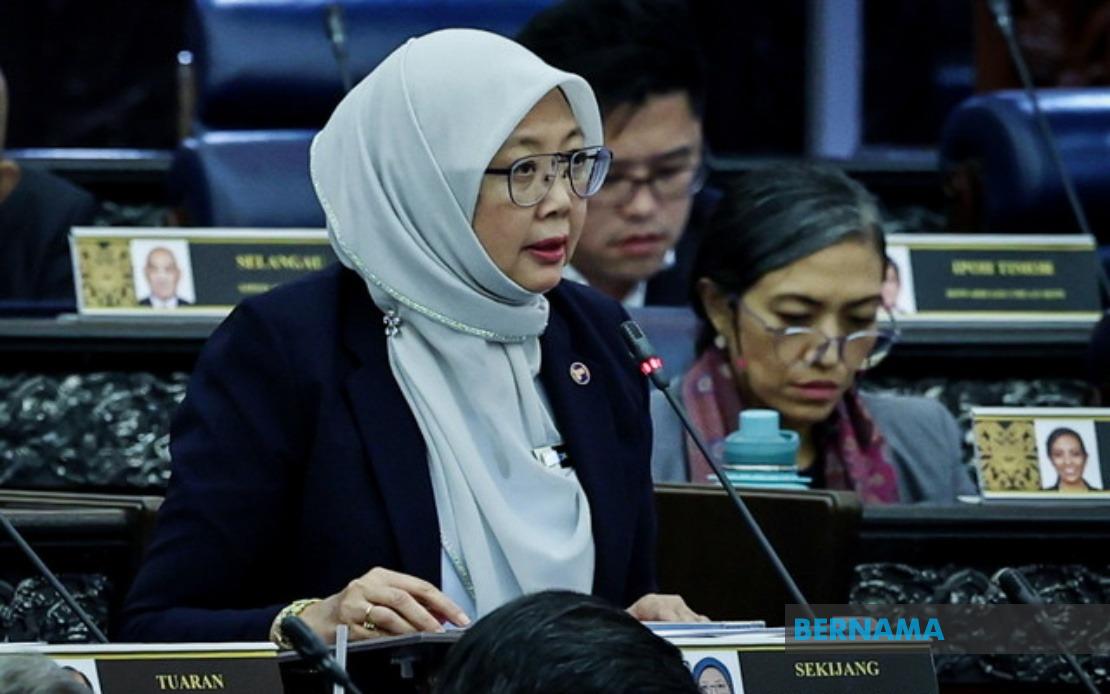
Datuk Seri Dr Zaliha Mustafa, chairman of the Government Backbenchers Club and Member of Parliament for Sekijang, has called for the complete disclosure of implementation efforts related to the Royal Commission of Inquiry's recommendations for Lembaga Tabung Haji, alongside a transparent account of steps taken to recover the institution's losses. Her remarks came during parliamentary debate on a ministerial briefing concerning the RCI findings, underscoring growing pressure within government ranks for greater accountability and openness regarding one of Malaysia's most significant Islamic financial institutions.
The timing of Dr Zaliha's intervention reflects broader concerns about public confidence in Tabung Haji, which serves as a crucial repository for savings among Malaysian Muslims preparing for the haj pilgrimage. With millions of depositors relying on the organisation to safeguard their religious and financial aspirations, the manner in which the institution addresses past failures carries profound implications beyond mere fiscal recovery. Dr Zaliha's emphasis on transparency speaks to a fundamental principle that institutional credibility cannot be rebuilt through partial revelations or selective reporting.
The RCI, established by the government in 2021 with members appointed in January 2022, submitted its 211-page report to the Yang di-Pertuan Agong on August 30, 2022. Though commissioned more than two years ago, the document remained confidential until recently, when it was finally released to the public. The report identified significant management and operational deficiencies spanning 2014 to 2020 and proposed 25 distinct recommendations for comprehensive reform. As of late July this year, Tabung Haji had completed approximately three-quarters of these recommendations, indicating substantial progress but also revealing that implementation remains incomplete.
Dr Zaliha's proposal seeks to move beyond this bare percentage and instead demands a granular accounting of which recommendations have been fully executed, which remain in progress, and what realistic timelines govern those still pending. Such itemised disclosure would allow both Parliament and the general public to assess the depth and pace of institutional transformation. Without this level of detail, she contended, depositors and ordinary Malaysians cannot form an informed opinion about whether the organisation has genuinely learned from its failures or merely engaged in cosmetic adjustments.
A central concern underpinning Dr Zaliha's intervention relates to the RCI's identification of political pressure preceding a general election as a significant driver of Tabung Haji's financial difficulties. This finding carries uncomfortable implications for Malaysia's political ecosystem, suggesting that electoral cycles may have influenced decisions affecting millions of ordinary depositors. The observation that institutional mismanagement became entangled with political expediency raises fundamental questions about governance, fiduciary responsibility, and the separation between state institutions and partisan interests—issues that extend well beyond Tabung Haji itself.
Dr Zaliha directed particular scrutiny toward the institution's former leadership, specifically examining the role of former chairman Datuk Seri Abdul Azeez Abdul Rahim. She highlighted concerns about the extent of his involvement in major investment decisions despite nominally holding a non-executive position, suggesting that such arrangements may have blurred lines of accountability. She further referenced allegations that accounts connected to the former chairman had at one point contained RM170 million in cash, a figure that demands explanation regarding its purpose, authorisation, and deployment.
The question of Tabung Haji's investment portfolio occupies a central place in Dr Zaliha's three-pronged analytical framework, alongside financial positioning and governance accountability. The institution's approach to deploying depositor funds and the criteria governing such placements represent core determinants of whether reforms address root causes or merely surface symptoms. Likewise, future profit distributions to depositors will signal whether the organisation has genuinely recalibrated its risk management and investment philosophy or reverted to patterns that previously generated substantial losses.
Dr Zaliha's invocation of Muslim unity while simultaneously insisting on accountability represents a delicate but necessary balance. She acknowledged the importance of collective identity and cohesion within Malaysia's Muslim community but rejected the notion that such solidarity should shield individuals or institutions from scrutiny when fiduciary duties have been breached. This framing recognises that authentic unity cannot rest on foundations of misplaced loyalty to those responsible for institutional failures; rather, it must be grounded in shared commitment to integrity, transparency, and the protection of depositors' legitimate interests.
The implications of this parliamentary intervention extend beyond Tabung Haji itself. Malaysian public institutions managing citizen assets face mounting expectations for transparency, particularly when previous lapses have been identified and formally documented through royal commissions. Dr Zaliha's call for comprehensive disclosure sets a standard that may influence how other government agencies and statutory bodies respond to accountability pressures. In a regional context where trust in public institutions remains fragile across Southeast Asia, Malaysia's handling of the Tabung Haji recovery effort could serve as a barometer for institutional reform credibility.
The government's reception of these calls for fuller disclosure will likely indicate its own commitment to rebuilding public confidence. While the release of the RCI report itself represented a significant step toward transparency, the implementation phase has proceeded with less public fanfare. Dr Zaliha's insistence on periodic public reporting of progress, setbacks, and timelines reflects recognition that institutional rehabilitation demands sustained engagement with stakeholders rather than relegation to technical or bureaucratic processes. Moving forward, Tabung Haji's capacity to restore depositor confidence may depend as much on transparent communication about reform progress as on the reforms themselves.

