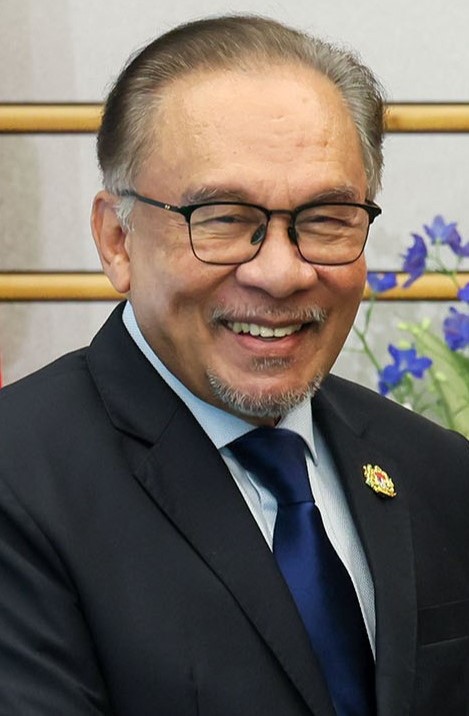
Datuk Seri Dr Adham Baba enters the forthcoming 16th Johor State Election as the Barisan Nasional standard-bearer for Pasir Raja, positioning himself as a candidate with established credentials in the constituency and a proven ability to connect with voters. The former Health Minister's candidacy represents a return to electoral contest after a period serving in higher legislative chambers, and his campaign strategy hinges substantially on demonstrating continuity and accumulated experience within the local electorate.
Dr Adham's political résumé spans over a decade of representation at state level, having served two consecutive terms as the Pasir Raja assemblyman between 2008 and 2018. Following his time in the state assembly, he transitioned to federal politics, capturing the Tenggara parliamentary seat in both the 14th and 15th General Elections, during which period he held ministerial portfolios including Health, and later Science, Technology and Innovation. This progression from grassroots representation to cabinet-level responsibility frames his current pitch to voters: that he brings both intimate knowledge of local concerns and exposure to national policymaking machinery.
Crucially, Dr Adham emphasises the relationships cultivated during his previous tenure in Pasir Raja as a significant electoral asset. In positioning himself to voters, he highlights the ongoing bonds maintained with residents across the constituency, suggesting that the personal networks built during his earlier representation provide a foundation of trust and familiarity. His current role as Tenggara UMNO division chief further underscores his continued organisational presence within the locality, indicating that he has remained institutionally engaged with party structures even whilst serving at federal level. This continuity of local engagement represents an attempt to counter any impression of distance or detachment arising from his promotion to higher office.
The campaign challenge identified by Dr Adham centres on the intensity and reach of grassroots mobilisation efforts. In his assessment, electoral outcomes in state contests are substantially determined by the effectiveness with which parties deploy their campaign apparatus to interact directly with voters. This perspective prioritises traditional ground-level canvassing and voter contact over other campaign methodologies, suggesting that his re-candidacy will emphasise direct engagement with constituents. The emphasis on meeting voters reflects broader competitive dynamics within Malaysian electoral politics, where proximity to the electorate and sustained personal contact remain influential factors in determining support, particularly in state-level contests where local issues assume greater prominence than during federal elections.
Dr Adham's development agenda, should he secure the mandate, positions higher education and vocational training as priority areas for constituency investment. This policy focus likely reflects broader socioeconomic patterns within Pasir Raja, where skill enhancement and educational advancement represent significant voter concerns. The emphasis on these sectors suggests a recognition that constituencies require investments addressing longer-term human capital development rather than exclusively short-term consumptive benefits. This framing positions his candidacy around substantive governance capacity rather than merely distributive politics, though the distinction between these approaches frequently becomes blurred in Malaysian electoral contexts.
The Johor state election context shapes the significance of this individual candidacy within broader political configurations. As one of Malaysia's most pivotal states, Johor elections carry implications extending beyond regional boundaries, influencing national political equilibria and coalition dynamics. BN's performance in Johor carries particular weight given the state's electoral scale and demographic diversity. Dr Adham's nomination thus represents not merely a local candidacy but part of a larger strategic deployment aimed at retaining and strengthening BN's position within a crucial electoral territory.
The decision to field Dr Adham in Pasir Raja reflects BN calculations regarding candidate selection and asset deployment. His ministerial experience and parliamentary credentials offer the coalition a candidate capable of articulating national policy frameworks whilst simultaneously addressing local concerns. The nomination also carries implicit messaging about continuity and stability, positioning the returning incumbent as offering predictability and established relationships against potential alternative candidates who might lack comparable local rootedness.
Voter sentiment within Pasir Raja will ultimately determine whether Dr Adham's experience and relational network translate into renewed electoral support. The constituency electorate's priorities—whether weighted toward development delivery, government responsiveness, or other considerations—will significantly influence campaign resonance. Additionally, the broader political context within Johor during this election cycle, including relative performance of competing coalitions and local issue salience, will materially affect his prospects.
The campaign period itself will test Dr Adham's capacity to mobilise his organisational networks and effectively communicate his value proposition to voters. His previous electoral success in the constituency provides some foundation for optimism regarding his candidacy, though electoral dynamics have shifted substantially since his last contest for the Pasir Raja seat in 2018. Demographic changes, evolving voter priorities, and modified political alignments all present variables that could either enhance or complicate his reacquisition of the seat.