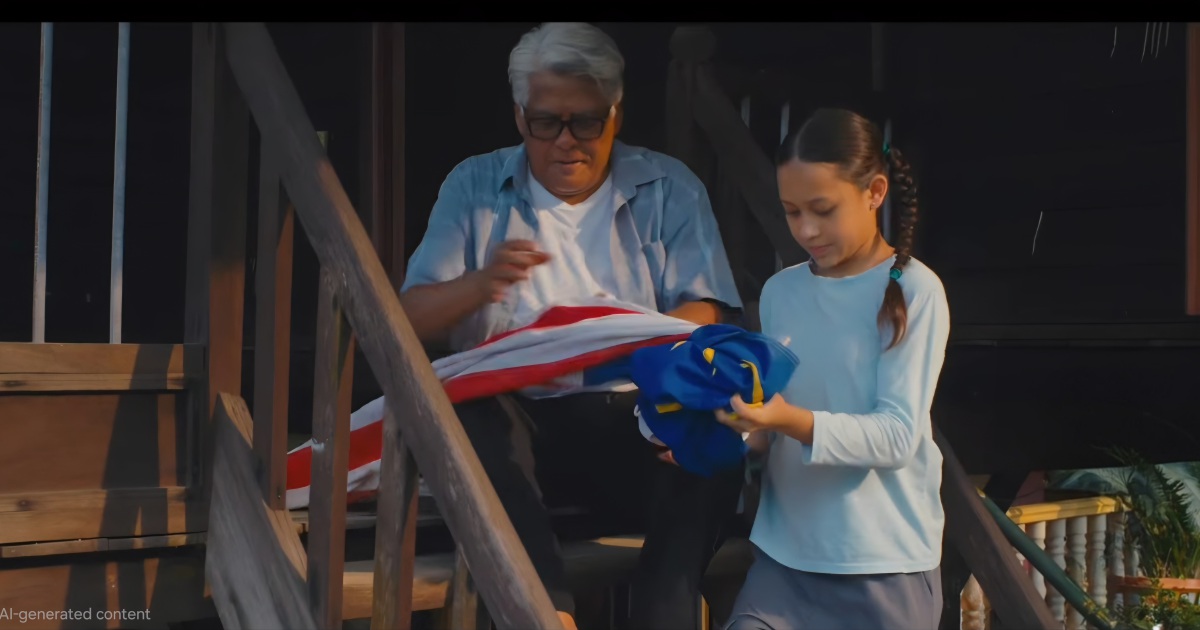
As Malaysia marks another Hari Kebangsaan, a carefully crafted eight-minute video posted by Deputy Prime Minister Datuk Seri Fadillah Yusof on Facebook has gained traction across social platforms, with the message of inclusive nationhood appearing to resonate deeply among diverse Malaysian audiences navigating an increasingly fractious national conversation.
The video presentation, released during peak engagement periods around the independence commemoration, represents a notable attempt by government leadership to articulate a unifying vision at a moment when political and social divisions have become more pronounced. The timing of such messaging during the heightened patriotic sentiment of Merdeka season suggests a strategic acknowledgement that foundational national narratives remain powerful tools for bridging contemporary differences among citizens.
The core thrust of Fadillah's eight-minute production centres on the foundational principle that Malaysia's identity transcends ethnic, religious, and geographical boundaries. By emphasising that the nation "belongs to all of us," the Deputy Prime Minister taps into the constitutional framework and founding promises that theoretically undergird the Malaysian federation, even as practical implementation of these ideals remains contested and uneven across different regions and communities.
For Malaysian viewers accustomed to polarised public discourse dominated by identity-based grievances and sectarian positioning, the explicit articulation of inclusive nationalism carries particular weight. The video's emotional register appears designed to bypass conventional political rhetoric and appeal to shared sentiments about national belonging, a strategy that acknowledges the limitations of purely policy-focused messaging in addressing deeper societal anxieties about national cohesion.
The online reception of Fadillah's message reflects broader demographic patterns in Malaysia's digital ecosystem, where younger and urban audiences increasingly seek political voices that accommodate plural perspectives rather than zero-sum communal framings. The video's circulation suggests that space exists for such messaging, though whether sentiment translates into substantive policy shifts or structural changes remains an open question within Malaysian political commentary.
Fadillah's positioning as conveyor of this unifying narrative also carries procedural significance within cabinet dynamics. As Deputy Prime Minister, his decision to prominently champion inclusive nationalism signals to coalition partners and rival factions that government messaging will not uniformly default to narrow communal appeals, though tensions between universal principles and particularistic political demands continue to characterise Malaysian governance at multiple administrative levels.
The eight-minute duration itself merits analytical attention, occupying a middle ground between the attention spans of social media users and the depth required to substantively develop complex arguments about national identity and cohesion. This format choice reflects contemporary media consumption patterns in Malaysia, where Facebook remains the dominant platform for government communication despite competition from newer channels, and where video content substantially outperforms text-based messaging in generating both views and emotional engagement.
Within the Southeast Asian context, Fadillah's emphasis on inclusive nationalism also registers as a counterweight to ethno-nationalist movements that have gained prominence across neighbouring countries. As Thailand, Philippines, and Myanmar grapple with identity-related conflicts, Malaysia's rearticulation of plural belonging frames the federation as pursuing a distinct political pathway, though implementation gaps between rhetorical commitment and lived experience remain evident in education policy, resource allocation, and institutional representation patterns affecting different communities.
The reception of the video among online audiences also illuminates how Malaysian citizens consume political messaging about national identity through digital platforms, with engagement metrics potentially masking deeper scepticism about whether sentiment translates into governmental action addressing economic disparities, educational inequities, and regional development imbalances that intersect with communal identifications across the peninsula and Borneo states.
Political observers note that such messaging becomes particularly salient during ceremonial moments like Merdeka when national narratives achieve temporary prominence in public consciousness. The challenge for government leadership involves sustaining commitment to inclusive principles beyond peak engagement seasons, embedding them into budgetary priorities, procurement policies, and institutional cultures where abstract unity translates into tangible opportunity for all communities claiming Malaysian citizenship.
The video's circulation also occurs amid ongoing negotiations within the federal coalition about resource distribution, representation in public institutions, and the appropriate balance between universal citizenship principles and communal recognition frameworks. Fadillah's prominent articulation of inclusive nationalism may signal shifting emphasis within government positioning, though sceptical observers note that ministerial rhetoric frequently outpaces substantive action in translating principles into policy outcomes affecting ordinary Malaysians across different regions and demographic categories.
Looking forward, the resonance of this Merdeka message may indicate that Malaysian audiences remain receptive to inclusive national narratives even within polarised times, suggesting political space for leaders prepared to invest credibility in such messaging. Whether this sentiment catalyses structural reforms or remains a rhetorical flourish beyond independence season will substantially determine its ultimate significance for Malaysian political development and social cohesion during the federation's seventh decade of independence.

