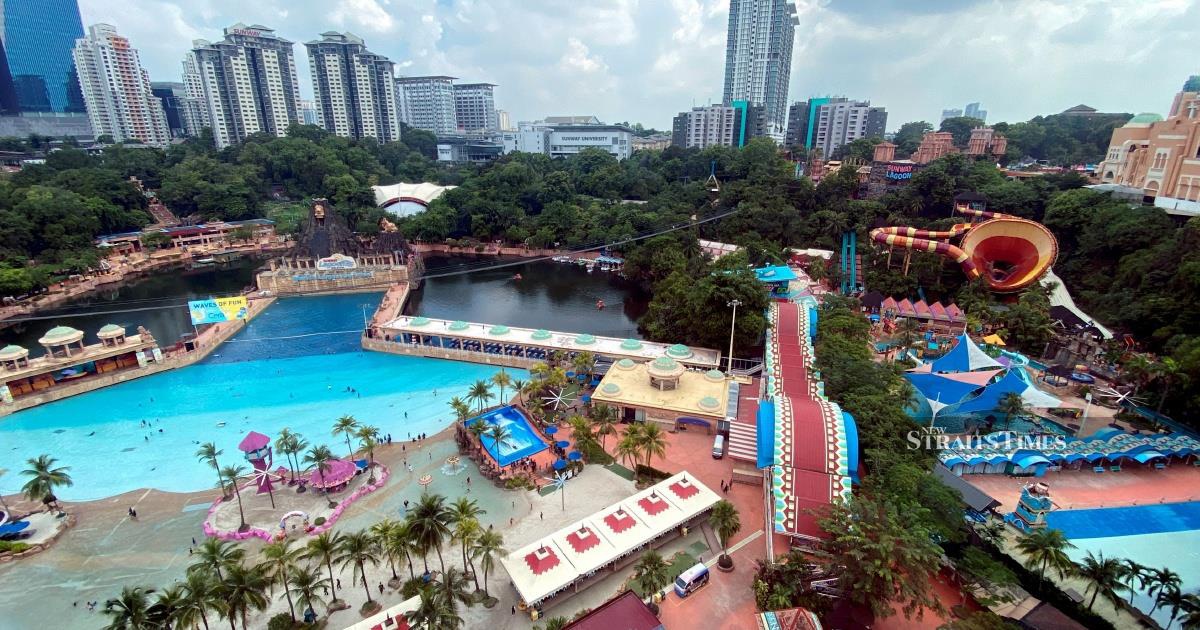
Malaysia's Department of Occupational Safety and Health (DOSH) has opened a comprehensive forensic investigation into an incident involving a roller coaster at Sunway Lagoon, one of the country's premier theme park attractions. The probe represents a methodical approach to understanding what transpired and establishing accountability across the safety chain that governs amusement park operations in the region.
Sunway Lagoon, located in the Klang Valley, attracts hundreds of thousands of visitors annually and operates multiple thrill rides alongside water attractions. The theme park has long been a destination for families and adventure seekers, making the safety of its mechanical attractions a matter of considerable public concern. Any incident involving rides in the park immediately triggers heightened scrutiny from regulatory bodies and the public alike.
The forensic nature of the investigation signals that DOSH intends to examine every technical and operational aspect of the incident with scientific rigor. Such probes typically involve detailed analysis of maintenance records, inspection documentation, engineering specifications, and operational procedures. Forensic investigators will scrutinise whether the ride underwent proper servicing intervals and whether qualified personnel conducted necessary safety checks before the incident occurred.
DOSH's mandate extends across all workplace safety matters in Malaysia, including the mechanical integrity of rides at commercial entertainment venues. The department possesses technical expertise to examine structural components, control systems, and safety mechanisms. Their investigation will likely involve site inspections, equipment testing, and interviews with operators, maintenance staff, and potentially riders involved in the incident.
Theme park safety represents a critical intersection between recreational enjoyment and public welfare in Malaysia. The country's amusement park industry operates under specific safety guidelines established by DOSH and other regulatory bodies. Regular audits and inspections are theoretically mandatory, yet incidents still occur, raising questions about enforcement consistency and whether operators prioritise maintenance budgets adequately.
For Sunway Lagoon specifically, this investigation may have significant operational implications. The affected ride will almost certainly remain closed pending the investigation's completion and any remedial work deemed necessary. This creates both immediate business impact for the park and potential reputational consequences, particularly if the forensic findings reveal systemic safety lapses rather than isolated failures.
The broader regional context matters here. Southeast Asian amusement parks operate within varying regulatory frameworks, and Malaysia's approach to ride safety investigation influences industry standards across the region. Thailand, Singapore, and Indonesia all monitor how Malaysian authorities handle such matters. A thorough and transparent investigation demonstrates commitment to safety standards that may set precedent for neighbouring countries grappling with similar oversight challenges.
Public perception following such investigations depends heavily on transparency and communication. Malaysians expect clear explanations of what went wrong and what corrective measures will prevent recurrence. The investigation's findings will be scrutinised not only by industry operators but also by parents, educators, and tourism stakeholders. Any evidence of regulatory failure or operator negligence will likely prompt calls for stricter oversight mechanisms.
The forensic investigation also raises systemic questions about Malaysia's approach to preventive safety versus reactive investigation. While DOSH's probe into this particular incident is necessary and appropriate, observers may question whether existing inspection protocols were sufficiently robust to prevent problems beforehand. The investigation could catalyse broader conversations about resource allocation to occupational safety enforcement and whether staffing levels at DOSH adequately match the growing complexity of modern rides and entertainment infrastructure.
Stakeholders within Malaysia's theme park industry will watch this investigation closely. Park operators understand that any findings suggesting inadequate maintenance or safety protocol violations could trigger increased regulatory scrutiny across the entire sector. This investigation may therefore serve as a catalyst for industry-wide improvements, encouraging operators to elevate maintenance standards and documentation practices beyond minimum legal requirements.
The timeline for completing forensic investigations into such incidents typically spans several weeks to months, depending on complexity. DOSH will need to coordinate with multiple parties, including park management, equipment manufacturers, and potentially external engineering consultants. Their final report will provide definitive conclusions about causation and recommendations for preventing similar incidents.
For Malaysian families weighing whether to visit theme parks, DOSH's investigation offers assurance that regulatory mechanisms exist to address safety concerns. However, the investigation's outcomes will ultimately shape public confidence. Findings demonstrating rigorous safety violations would require significant remedial action before consumer confidence fully recovers. Conversely, evidence supporting equipment failure rather than operational neglect might allow parks to restore public trust more rapidly through targeted maintenance improvements.
As Malaysia continues developing its tourism and entertainment infrastructure, incidents like this serve important functions beyond immediate incident response. They test the robustness of regulatory systems, reveal gaps in safety protocols, and inform policy adjustments. DOSH's forensic investigation into the Sunway Lagoon incident will likely influence how theme parks across Malaysia approach safety management for years to come.

