Novak Djokovic arrives at the U.S. Open with momentum and circumstance aligning in his favour, setting the stage for a potential breakthrough toward his 25th Grand Slam title—a standalone record that has eluded him since his victory at Flushing Meadows in 2023. The 39-year-old Serbian champion confronts a field weakened by key absences, most notably Jannik Sinner's withdrawal due to a knee injury and Carlos Alcaraz's return following more than four months sidelined by a wrist ailment. Despite limited preparation time and persistent physical concerns of his own, Djokovic carries the self-belief that has defined his career, framing his pursuit as an exercise in what he terms "inat"—a Serbian concept embodying stubborn defiance when faced with doubt and opposition.
The tennis landscape has shifted dramatically in Djokovic's disfavour over the past two years. Since his 2023 triumph in New York, Alcaraz and Sinner have consolidated their dominance, capturing ten of the last eleven major titles between them. More troublingly for Djokovic, the younger generation has registered five victories over him across the previous six Grand Slams, systematically blocking his attempts to reach the historic 25-title milestone and surpass Margaret Court's all-time record. His Australian Open final loss to Alcaraz earlier this year represented perhaps his best genuine opportunity in recent memory, making this U.S. Open window particularly significant.
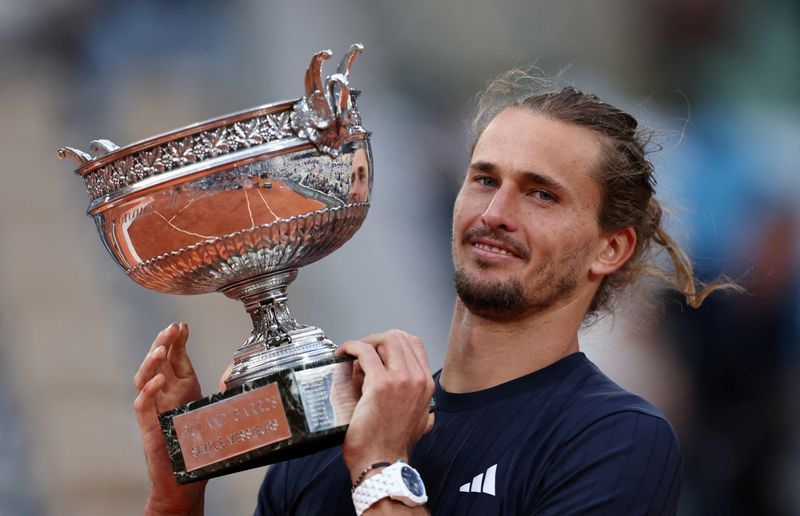
Alexander Zverev has emerged as the tournament's most credible threat to Djokovic's ambitions. The German sensation finally secured his maiden Grand Slam at the French Open and subsequently reached the Wimbledon final, establishing himself as a genuine major contender heading into New York. Zverev's ascension represents a generational shift beyond the traditional Djokovic-Alcaraz-Sinner triumvirate, suggesting that even without Sinner's presence, the challenge facing Djokovic remains substantial. His breakthrough status and demonstrated ability on the sport's biggest stages position him as the player most likely to derail the Serbian's quest.
Alcaraz's return from extended absence introduces substantial uncertainty into calculations. The defending U.S. Open champion possesses an extraordinary track record of producing elite tennis on major occasions, yet questions persist about whether his competitive sharpness has fully returned after four months away. His wrist injury history adds another layer of concern, though his youth and pedigree suggest rapid readjustment remains possible. Should he rediscover his form, Alcaraz remains the most talented player in the draw and capable of again standing between Djokovic and the record.
Djokovic's quest has attracted the attention of even retired luminaries of the sport. Roger Federer, speaking in New York, articulated an assessment that underscores the Serbian's perennial threat, emphasizing that whenever Djokovic enters any tournament, he retains genuine chances of success based on his historical body of work and demonstrated capacity to perform at the highest level across all circumstances. This validation from a fellow all-time great carries symbolic weight, particularly as Djokovic navigates the scepticism that often surrounds athlete longevity at advanced age.
The American contingent has strengthened considerably and presents an intriguing alternative narrative for this tournament. Ben Shelton claimed the Canadian Open title recently, establishing his credentials as a force on hardcourts, while Cincinnati runner-up Frances Tiafoe and 2024 finalist Taylor Fritz represent homegrown interests in ending a 23-year drought for American men's singles champions. Andy Roddick, the 2003 champion himself, has identified Shelton as a genuine contender despite some concerns about his consistency across major tournaments. Shelton's ability to sustain his level during the extended format of Grand Slams remains the critical variable determining whether American tennis can reclaim prominence in New York.
Roddick's analysis of Shelton highlights a recurring pattern in the American's career: dominant performances on certain occasions contrasted with disappointing early exits elsewhere. His Montreal title represented a statement of intent, yet his Cincinnati run ended prematurely, creating legitimate doubts about his staying power across five-set contests and multiple rounds. The distinction between secondary tournament success and major championship performance remains stark, and Shelton must navigate this gap to genuinely challenge for the trophy. Nonetheless, Roddick acknowledges Shelton's demonstrated capability across varied surfaces and the genuine possibility that this represents a breakthrough moment.
Beyond the established contenders, a collection of rising and semi-established talents will seek to capitalize on potentially favourable circumstances. Arthur Fils and other emerging players view this edition as an opportunity to advance their major championship pedigree, while Felix Auger-Aliassime returns aiming to build upon his semi-final appearance from last year and consolidate his trajectory toward major contention. The depth of the field reflects tennis's current transition phase, where established dominance faces pressure from multiple challengers.
Djokovic's narrative resonates powerfully across Southeast Asian tennis audiences, representing a human interest story that transcends sport. At an age when most athletes have retired, he pursues not merely competitive success but historical immortality, consciously rejecting expectations of decline. His invocation of Serbian cultural concepts in explaining his motivation reveals the intersection between personal ambition and collective identity that characterizes his approach. For regional audiences following professional tennis, Djokovic's U.S. Open campaign embodies questions about longevity, resilience, and the possibility of defying conventional wisdom regarding athletic aging.
The tournament unfolds at a pivotal moment for men's tennis, where generational transition intersects with the persistence of established excellence. Djokovic's potential 25th major would represent validation of a competing philosophy against the ascending generation represented by Alcaraz and Sinner. Conversely, should younger players consolidate control, it would signal definitive generational succession. Zverev's position as a bridge figure between these narratives adds complexity to the championship's broader significance within professional tennis's ongoing evolution.

