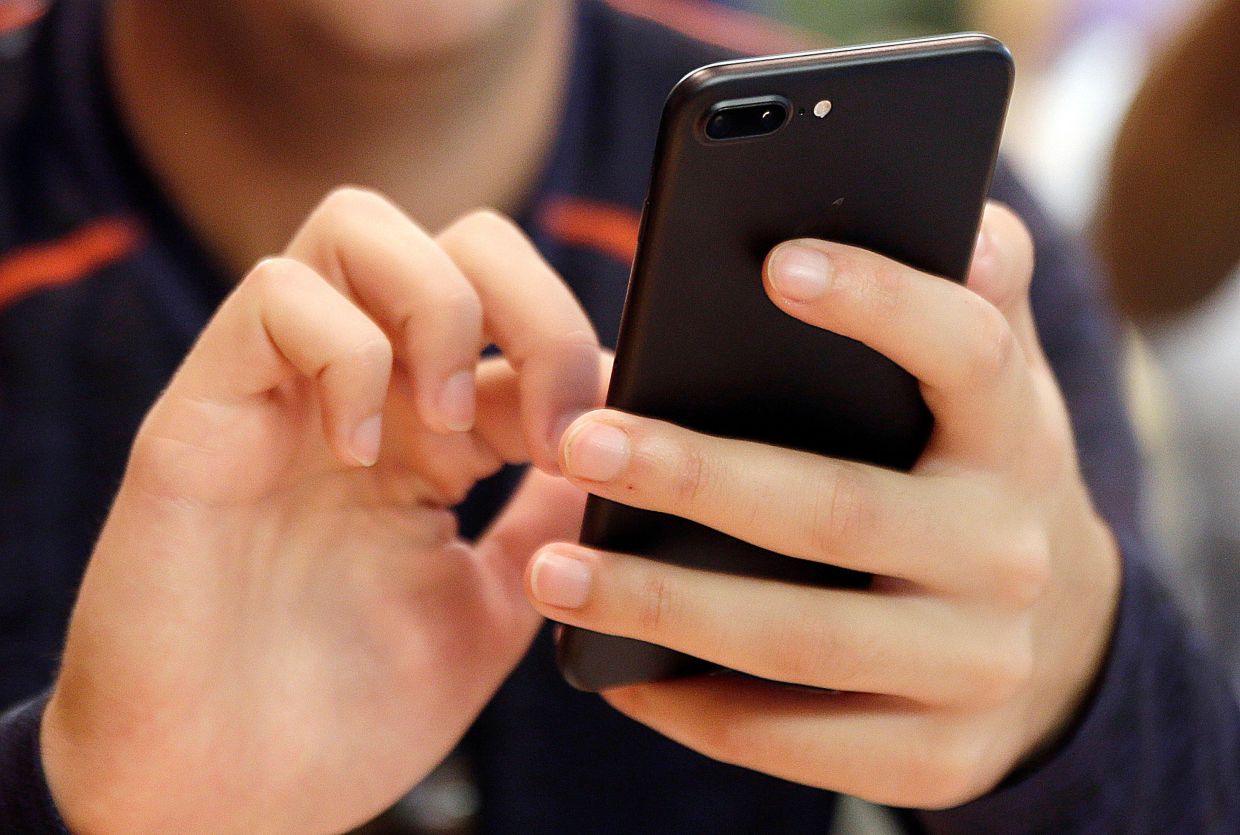
The rise of smartphones has brought with it a familiar malady for the digital age: texting thumb, a catch-all term describing various phone-related hand injuries that range from general stiffness and throbbing around the knuckle joints to clicking sensations when bending the thumb. Without intervention, the repetitive motions involved in typing and swiping can escalate into more serious conditions such as carpal tunnel syndrome and arthritis. This concern is not new—warnings about overuse injuries have circulated for decades, from the era of BlackBerry devices to today—but the modern smartphone presents a different challenge altogether.
Today's mobile devices have evolved into far more than communication tools. They are heavier and larger than their predecessors, and usage patterns have fundamentally changed. Beyond traditional texting and calling, users now spend hours scrolling through social media feeds, managing banking transactions, streaming movies, and consuming endless video content. This shift means that hand strain has become endemic to contemporary life rather than a temporary inconvenience. The constant engagement with these devices, combined with their increased physical demands, has created a public health concern that extends well beyond tech-savvy early adopters.
Dr Maureen O'Shaughnessy from the University of Kentucky HealthCare Hand Center presents a pragmatic perspective on the problem. Rather than advocating for users to abandon their devices—a practically impossible suggestion in the modern world—she emphasises the need to adapt our relationship with technology. O'Shaughnessy argues that since mobile devices are now integral to daily life, the focus should shift toward making these devices compatible with human physiology and modern lifestyles. This approach acknowledges the reality that smartphones are unlikely to disappear, making prevention and management strategies far more relevant than abstinence.
The mechanics of phone-related pain become clear when examining how users hold and interact with their devices. Locking the wrist and elbow in fixed positions for extended periods creates soreness at the base of the thumb and in the wrist itself. Similarly, holding phones upright for long stretches fatigues other fingers beyond just the thumb. Many users experience a peculiar phenomenon: the pain often becomes most noticeable during periods of reduced phone use, such as vacations. It is during these breaks that users suddenly realise how much relief they experience when their devices take a backseat, suggesting that limiting screen time remains the most effective remedy, albeit the most difficult one to implement.
For those unable or unwilling to drastically reduce phone usage, Dr O'Shaughnessy recommends a series of practical interventions that can significantly reduce strain. Varying posture throughout the day prevents the accumulation of stress in any single position. Switching between hands when typing distributes the workload and prevents one hand from bearing all the repetitive stress. Using alternative fingers—the index finger or others—instead of relying solely on the thumb provides relief by engaging different muscle groups. These seemingly minor adjustments can substantially decrease the cumulative damage that constant phone use inflicts on the hands.
Modern smartphones include built-in accessibility features specifically designed to reduce hand strain, yet many users remain unaware of these capabilities. Voice-to-text functionality allows users to compose messages without manual typing, eliminating a primary source of thumb fatigue. Enlarging text size reduces the need to hold phones closely to the face, allowing for more neutral wrist positioning and decreased strain on the hand's structure. These features represent a straightforward path toward reducing injury risk that requires only minor behavioural adjustments and familiarity with device settings.
Beyond software solutions, the accessory market offers physical aids that can redistribute weight more evenly across the hand. Circular and ring-shaped grip attachments affix to the phone's back, stabilising the device and spreading load distribution across multiple fingers rather than concentrating stress on the thumb and fingers. These same accessories often function as stands, enabling hands-free viewing of videos and television content—a setup that eliminates hand strain during extended viewing sessions. For Malaysian consumers, such accessories remain affordable and widely available through both online retailers and physical phone shops.
Daily stretching and targeted exercises form an essential component of pain management and prevention. Wrist flexing—tilting the palm toward and away from the body while the other hand provides gentle resistance—maintains flexibility and reduces stiffness. Individual finger flexing and gentle thumb circles further maintain joint mobility and prevent the tightening that accompanies prolonged static positioning. For specific pain at the thumb's base, placing the hand flat on a surface and gently pulling the thumb away from other fingers, holding the stretch for approximately 30 seconds, addresses this common pain point directly.
However, home remedies and preventive measures have limits. Persistent aches, numbness, or tingling sensations warrant medical evaluation, as these symptoms may indicate serious underlying conditions. De Quervain's tenosynovitis manifests as sharp pain or swelling at the thumb's base and wrist. Trigger thumb presents as a painful catching sensation when flexing the thumb, caused by tendon inflammation. Carpal tunnel syndrome, resulting from nerve compression, can produce numbness and weakness. Thumb arthritis can be exacerbated by constant phone use, leading to chronic pain and reduced hand function. Professional diagnosis becomes essential when home interventions fail to provide relief.
Dr Eugene Tsai, a surgeon at Cedars-Sinai Orthopaedics and Sports Medicine, articulates a fundamental truth: human hands evolved long before smartphones existed and lack the structural capacity for all-day digital device interaction. Yet rather than accepting inevitable injury as the cost of modern life, Tsai advocates for conscious self-care. The solution requires intention and discipline—taking deliberate breaks, adjusting posture mid-scroll, and consciously switching hands. These interventions, though simple, demand a shift in mindset from passive consumption to active engagement with how we use our devices.
For Malaysian readers increasingly dependent on smartphones for work, social connection, and entertainment, these practical strategies offer immediate benefit. Whether employed in tech hubs like Kuala Lumpur or working remotely across the country, digital workers can implement these changes without disrupting productivity. The key lies in recognising that phone-related hand pain is neither inevitable nor untreatable, but rather a manageable consequence of modern life that responds well to awareness and preventive action. By combining limiting screen time where possible, varying posture and hand usage, utilising built-in accessibility features, and performing targeted stretches, users can maintain hand health while remaining fully engaged with the digital tools that define contemporary work and social life.

