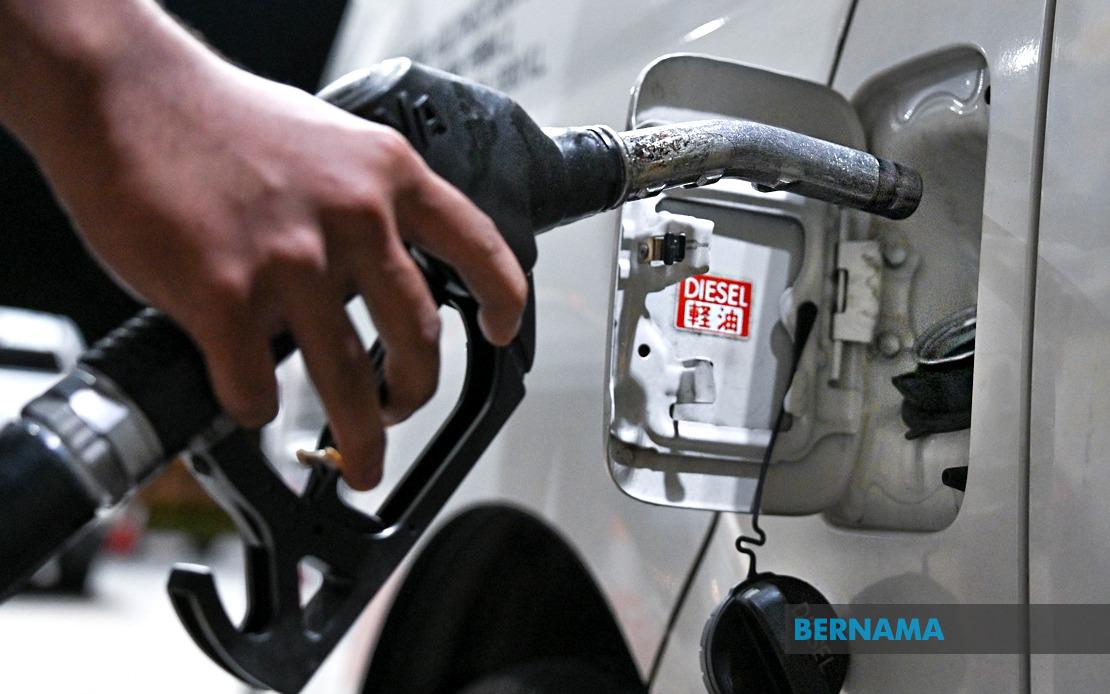
The Malaysian government is set to lower subsidised diesel prices to RM2.10 per litre beginning in July, a move officials say demonstrates tangible progress in their broader campaign to ease the cost-of-living pressures facing ordinary Malaysians. Datuk Mustapha Sakmud, the Minister in the Prime Minister's Department overseeing Sabah and Sarawak, framed the reduction as evidence that the government's structural economic reforms and precision-targeting of subsidies are finally translating into measurable relief at the pump for citizens.
The timing of this announcement reflects a deliberate policy shift toward more efficient subsidy allocation. Rather than blanket fuel supports that benefit all consumers regardless of income or need, the government is pivoting toward a mechanism that links diesel subsidies to MyKad verification, mirroring the earlier BUDI95 initiative for RON95 petrol. This approach aims to channel financial assistance directly to Malaysian citizens while simultaneously reducing the fiscal drain caused by leakage and cross-border smuggling, which have historically eaten into subsidy budgets and distorted regional fuel markets across Southeast Asia.
For Sabah and Sarawak residents, the reduction from the current RM2.15 per litre represents a modest but symbolically important victory. These East Malaysian states have long maintained lower diesel prices than Peninsular Malaysia, which currently charges an unsubsidised RM4.37 per litre at the pump. The differential reflects longstanding regional economic arrangements, but the unified reduction demonstrates the federal government's commitment to ensuring equitable support across the nation's diverse geography.
The backdrop to this measure extends beyond domestic fiscal management. Mustapha emphasised that global geopolitical turbulence, particularly the ongoing conflicts in West Asia, continues to impose structural pressures on international energy markets. These uncertainties make energy security a paramount strategic concern for resource-importing nations like Malaysia. By calibrating domestic fuel pricing while simultaneously pursuing deeper energy partnerships with major producing nations such as Russia and Turkmenistan, Malaysia is attempting to thread a delicate needle: providing immediate relief to consumers whilst safeguarding long-term supply chains and strategic independence.
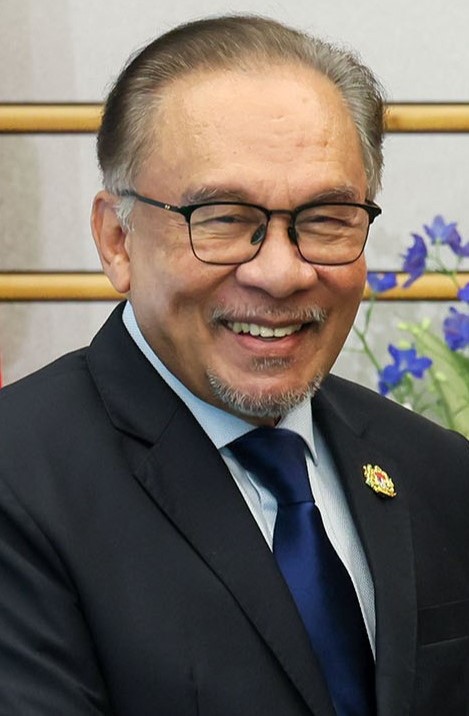
Prime Minister Datuk Seri Anwar Ibrahim's administration has positioned fuel pricing decisions as part of a comprehensive economic restructuring agenda. The argument presented is that disciplined management of the national budget, coupled with targeted intervention in key consumer goods, can simultaneously reduce inflation pressures and improve the government's fiscal position. If subsidies more efficiently reach only eligible Malaysians through digital verification, the theory holds that the government redirects savings toward other priorities whilst still providing meaningful support where it matters most.
The MyKad-based verification system represents a technological solution to an old problem. Malaysia's previous subsidy model, while well-intentioned, suffered from persistent abuse: wealthy individuals claimed the same discounts as low-income households, while smugglers exploited price differentials by exporting subsidised fuel across borders. The digital gatekeeping mechanism promises greater transparency and control, though implementation challenges remain. Citizens in remote areas, the elderly, and those lacking regular digital access may encounter friction in verification processes that policymakers have not fully anticipated.
For consumers across the nation, diesel price movements carry outsized significance beyond the petrol pump. Diesel fuels the country's transport, logistics, and agricultural sectors, making it a crucial cost variable in supply chains that ultimately affect prices for groceries, construction materials, and manufactured goods. A 5 sen reduction per litre, compounded across millions of litres consumed monthly, translates into ripple effects through the broader economy that benefit not just individual households but entire commercial ecosystems.
The announcement also carries political weight in Malaysian context. The MADANI government, which took office in late 2022, has built its electoral appeal partly on promises to reduce living costs for ordinary Malaysians after years of economic stagnation and inequality. Concrete moves such as fuel price reductions provide tangible evidence of policy delivery, particularly in states like Sabah and Sarawak where the ruling coalition maintains slender majorities and where regional sentiment around resource distribution remains sensitive.
Yet observers should note the asymmetry in Malaysia's approach to fuel pricing. The diesel subsidy reduction occurs even as RON95 petrol remains unsubsidised at market rates, and whilst global oil prices have retreated from recent highs, commodity markets remain inherently volatile. The sustainability of this pricing structure depends on continued stability in international crude costs and the government's ability to maintain fiscal discipline. Any sharp upward movement in global energy prices could quickly render these subsidised rates unsustainable, forcing difficult policy choices.
The energy cooperation angle Mustapha highlighted—strengthened ties with Russia and Turkmenistan—deserves scrutiny from a regional perspective. Malaysia's deepening energy partnerships with non-traditional suppliers reflect both pragmatism and constraint. As a net energy importer increasingly squeezed by regional competition for limited hydrocarbon supplies, Malaysia must diversify its energy portfolio and supplier relationships. However, geopolitical alignment with certain powers inevitably carries diplomatic and economic implications that extend well beyond fuel prices.
Looking ahead, the diesel price adjustment signals that the government intends to continue threading its economic tightrope: balancing subsidy support with fiscal prudence, targeting assistance whilst managing budget constraints, and pursuing energy security amid international volatility. Whether this approach proves sustainable depends on execution of the MyKad verification system, continued macro-economic discipline, and the absence of major negative shocks to global energy markets. For Malaysian consumers and businesses, the coming months will test whether these policy intentions translate into lasting economic relief or merely temporary respite.