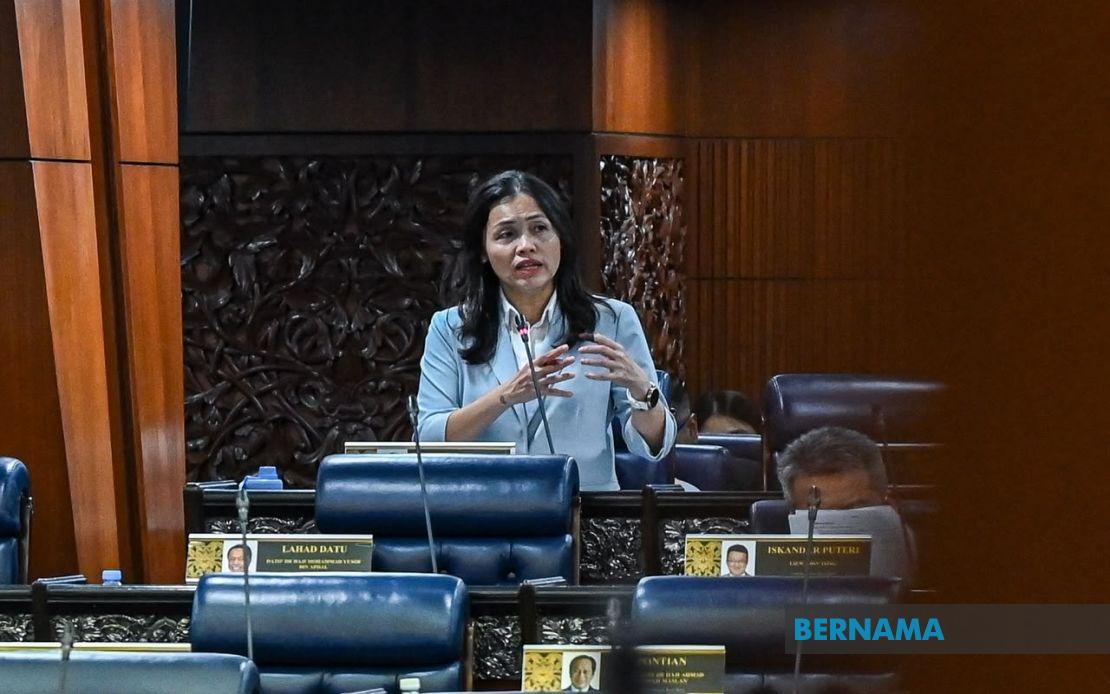
Malaysia's parliament has endorsed landmark amendments to the Communications and Multimedia Act designed to fortify the nation's digital infrastructure against emerging threats while extending connectivity to isolated communities. The Dewan Rakyat approved the Communications and Multimedia (Amendment) Bill 2026 following debate among 18 MPs, marking a significant step in updating regulatory frameworks to address contemporary technological challenges and geopolitical risks. Deputy Communications Minister Teo Nie Ching underscored that the legislative revisions do not burden citizens with fresh charges, a concern that typically accompanies infrastructure initiatives across the region.
The central element of the amendment involves embedding security considerations into the National Universal Service Provision (USP) initiative, a coordinated effort to ensure all Malaysians enjoy reliable communications access regardless of geography or economic circumstance. This approach responds directly to Malaysia's mounting dependence on interconnected digital networks that underpin financial transactions, emergency services, healthcare delivery, and government operations. By treating universal service provision as a matter of national resilience, legislators acknowledge that communication gaps represent not merely commercial disadvantages but genuine vulnerabilities during crises when connectivity becomes lifesaving infrastructure.
Teo clarified that the amendment operates within strictly defined boundaries, avoiding regulatory mission creep that might duplicate oversight already exercised by other government bodies. The legislation remains tethered to communications and multimedia concerns, particularly the technical dimensions of network deployment and service provisioning. This jurisdictional clarity addresses a persistent tension in telecommunications regulation across Southeast Asia, where overlapping mandates between communications ministries, security agencies, and data authorities have sometimes created conflicting requirements for operators and confusion for consumers.
Financing represents a critical design feature distinguishing this initiative from similar proposals that ultimately impose indirect costs on households. The USP Fund draws exclusively from mandatory contributions by licensed telecommunications operators regulated under the existing legislative framework, preventing circumstances where infrastructure investments translate into higher user bills. This architecture proves especially significant for Malaysia's lower-income households and those in remote regions, populations most vulnerable to service cuts if costs escalate. The funding mechanism reflects recognition that universal service obligations should not regress into consumer taxes.
Parliamentarians from both government and opposition benches raised considerations that reveal genuine policy tensions requiring ongoing attention. Datuk Suhaimi Nasir emphasized that Sabah's fragmented geography—encompassing interior territories, coastal zones, and scattered islands—demands prioritized infrastructure investment, a plea resonating across Malaysia's less densely populated states where commercial incentives alone fail to justify network expansion. His intervention underscores that legislative authorization means little without corresponding budgetary commitment and implementation vigour, particularly in regions where terrain and population density make service provision economically challenging absent subsidy.
Concerns about accountability and transparency emerged when Datuk Mohd Suhaimi Abdullah requested disclosure of the USP Fund's current reserves and prospective allocation plans. His demand reflects legitimate scrutiny of how public resources—derived ultimately from telecommunications levies—will be deployed, ensuring that security infrastructure development does not inadvertently squeeze funding for rural connectivity projects that predate this amendment. Such parliamentary oversight proves essential in preventing security imperatives from displacing service expansion objectives, a risk when security and coverage goals compete for limited resources.
Cybersecurity dimensions moved beyond infrastructure resilience when Datuk Shahelmey Yahya proposed that digital manipulation techniques be formally catalogued and periodically updated through gazetting procedures. This suggestion recognizes that public digital literacy requires timely official guidance about evolving threats—deepfakes, data harvesting, credential theft, financial fraud—enabling households to adopt protective measures. His recommendation also implicitly acknowledges that the Malaysian Communications and Multimedia Commission (MCMC) must substantially upgrade institutional expertise in cybersecurity, suggesting current capabilities may lag against sophisticated threat actors operating across Southeast Asia's increasingly integrated digital economy.
The amendment arrives amid regional patterns where governments simultaneously pursue national security hardening and digital inclusion, objectives that sometimes tension against each other. Authorities across Southeast Asia grapple with reconciling surveillance capabilities that strengthen security with privacy protections that preserve individual freedoms and digital trust. Malaysia's approach, by anchoring security to universal service objectives rather than surveillance expansion, presents a more circumscribed model than some regional counterparts, though concerns about scope creep will inevitably persist.
Implementation challenges loom prominently, particularly regarding rural deployment timelines and coverage quality standards. Previous Malaysian telecommunications projects targeting underserved areas have encountered delays, cost overruns, and service reliability problems that disappointed communities after years of waiting. Success will depend on whether MCMC establishes clear performance metrics, enforces accountability, and allocates sufficient funding to realize the amendment's promise.
The amendment also reflects Malaysia's positioning within global digital governance debates. As nations worldwide recalibrate communications regulation to incorporate national resilience and cybersecurity, Malaysia's legislative approach—emphasizing universal access alongside security rather than surveillance—offers a template resonating with developing economies balancing connectivity imperatives against security preoccupations. The coming months will reveal whether implementation matches ambition.

