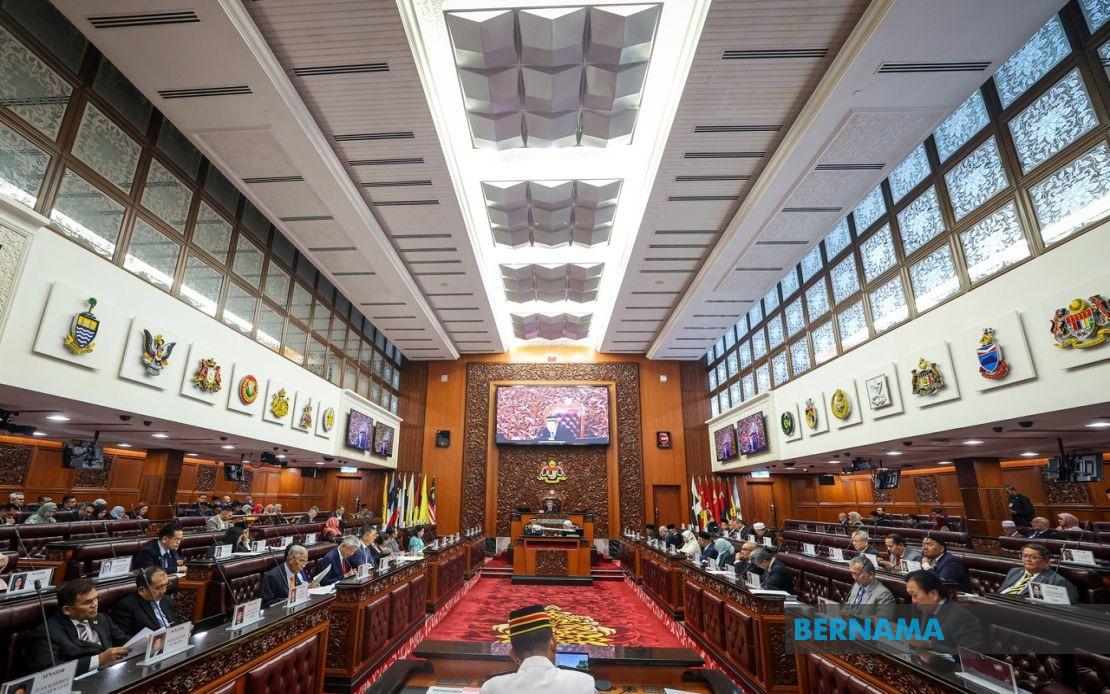
The Dewan Negara concluded its Second Meeting of the Fifth Term on August 4 after a productive 10-day parliamentary session that delivered legislative outcomes across multiple policy areas critical to Malaysia's governance framework. Beginning on July 20, the upper house worked through a comprehensive agenda that resulted in the passage of 12 distinct bills, addressing contemporary challenges ranging from digital security to agricultural sector management and professional standards in social work.
Beyond the legislative volume, the session marked a significant procedural milestone for parliamentary debate. Two substantive motions addressing pressing economic and electoral matters were tabled during the Dewan Negara Adjournment Speech segment, the first occasion this mechanism has been utilised since 2022 under the Standing Order 16 framework. This resumption of the adjournment speech procedure signals renewed parliamentary engagement with cross-cutting issues that merit broader deliberation beyond conventional committee structures.
The first motion centred on the mounting pressures exerted by extreme cross-border e-commerce platforms—specifically Pinduoduo and Temu—on Malaysia's micro, small and medium enterprise ecosystem and traditional retail operations. This reflects growing regional concern about how ultra-low-cost foreign e-commerce models, often operating with minimal regulatory oversight, are fundamentally disrupting domestic business models and employment patterns. The debate provided senators with opportunity to canvas protective measures and policy responses that domestic retailers require to remain competitive.
The second motion examined electoral access and participation for auxiliary police members, proposing mechanisms for early voting or postal voting facilities that would enable these personnel to exercise franchise rights despite operational scheduling constraints. This initiative recognises the practical barriers faced by security sector employees whose shift work and duty rosters often coincide with standard polling periods, thereby addressing equity in democratic participation.
The Cybercrimes Bill 2026 emerged as a centrepiece of the legislative agenda, equipping law enforcement and regulatory authorities with contemporary legal instruments to address evolving digital threats. This legislation reflects regional recognition that cybersecurity frameworks must evolve rapidly to match threat sophistication, particularly as financial systems, critical infrastructure, and personal data repositories face increasingly sophisticated attack vectors originating from both domestic and transnational actors.
Transport sector modernisation received attention through the Road Transport (Amendment) Bill 2026, which adjusts regulatory frameworks governing Malaysia's vehicle operations and mobility services. Complementing this, the Witness Protection (Amendment) Bill 2026 strengthened safeguarding provisions for individuals testifying in legal proceedings, particularly those facing intimidation risks. The Sexual Offences against Children (Amendment) Bill 2026 tightened protective legislation for vulnerable minors, reflecting parliamentary commitment to enhanced child safety standards across Malaysia's legal architecture.
Competition law received dual attention through the Competition (Amendment) Bill 2026 and the Competition Commission (Amendment) Bill 2026, signalling legislative determination to maintain dynamic competitive markets and prevent anti-competitive practices that disadvantage consumers and emerging enterprises. These amendments likely address gaps exposed through enforcement experience and evolving market dynamics in Malaysia's increasingly integrated economy.
The National Trust Fund Bill 2026 and Padi and Rice Control (Amendment) Bill 2026 addressed sectoral concerns, the latter particularly significant for sustaining Malaysia's rice self-sufficiency objectives and supporting farming communities dependent on paddy production. The Social Work Profession Bill 2026 formalised standards and recognition for Malaysia's social work practitioners, professionalising a sector essential to social welfare service delivery across communities.
Communications and multimedia regulation evolved through the Communications and Multimedia (Amendment) Bill 2026 and the Malaysian Communications and Multimedia Commission (Amendment) Bill 2026, updating institutional frameworks governing Malaysia's rapidly transforming media and digital communications landscape. The Statistics Bill 2026 modernised the legal foundation for national data collection and management, critical infrastructure for evidence-based policymaking and economic planning.
Dewan Negara Speaker Datuk Awang Bemee Awang Ali Basah characterised the session as enriching Malaysia's legislative and oversight processes through the diversity of perspectives contributed by senators representing varied professional backgrounds and expertise. The Speaker emphasised that this pluralistic engagement strengthens checks and balances mechanisms and elevates the quality of legislative drafting—essential functions underpinning parliamentary democracy's effectiveness.
Invoking the proximity of Malaysia Day and National Day 2026 celebrations, the Speaker called upon all political and institutional stakeholders to recommit to foundational national principles: protection of sovereignty, constitutional supremacy, rule of law observance, and national unity. This framing positions legislative activity within broader context of Malaysia's constitutional and democratic commitments, reminding participants that parliamentary work ultimately serves collective national purposes transcending partisan considerations.
The session's productivity demonstrates the Dewan Negara's functional significance in Malaysia's bicameral system, where the upper house performs essential review, refinement, and deliberative functions. By processing substantive legislation addressing cybersecurity, competition, transport, child protection, and sectoral regulation, the chamber has addressed contemporary governance requirements across multiple economic and social domains.
Looking forward, this session establishes momentum for continued legislative engagement with emerging policy challenges. The resumption of adjournment speech debates, in particular, signals parliamentary capacity to address issues of economic and institutional significance that warrant broad political discussion. Malaysia's competitive landscape and evolving security environment demand sustained legislative responsiveness, positioning the Dewan Negara's ongoing work as integral to national governance effectiveness during a period of economic transition and digital transformation.

