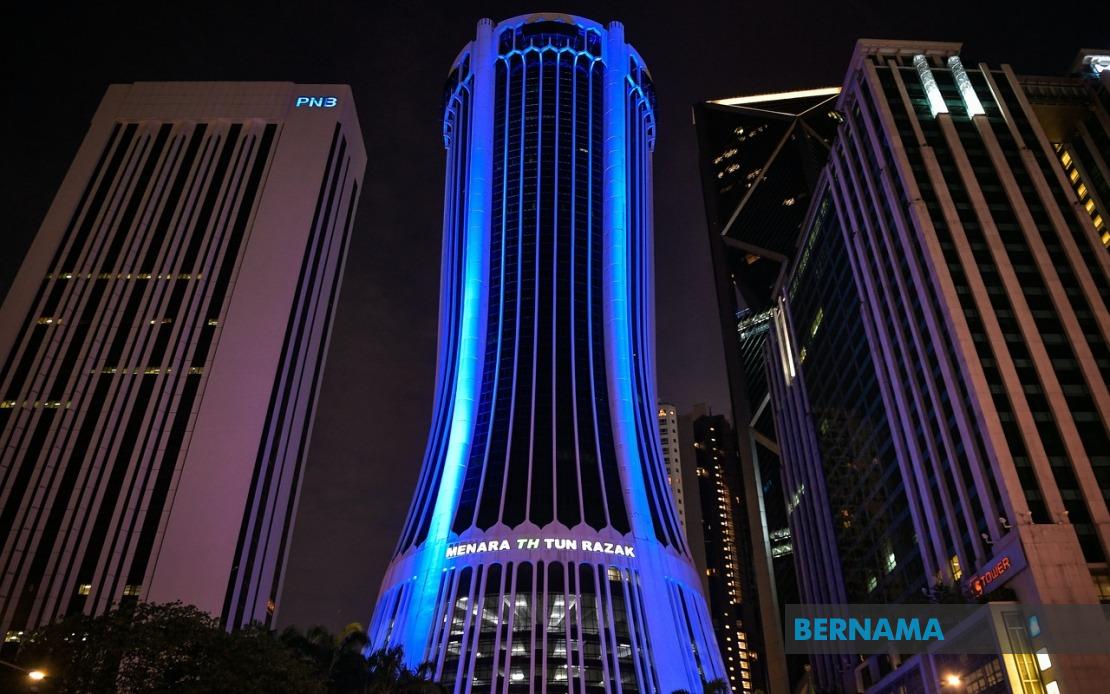
The release of the Royal Commission of Inquiry report detailing governance and operational concerns at Tabung Haji has done little to shake the confidence of Malaysian Muslims in the institution's fundamental purpose. Depositors across the country continue to regard TH not as a conventional financial entity but as a sacred custodian entrusted with helping them achieve one of Islam's five pillars. This resilience in public trust reflects the deep spiritual and cultural significance that Tabung Haji occupies in Malaysian Muslim society, transcending ordinary assessments of institutional performance.
For millions of working Malaysians, the institution represents far more than a savings vehicle. TH embodies a structured pathway to fulfilling the haj obligation—a religious requirement that many regard as the culmination of their spiritual journey. The emotional and religious weight attached to this responsibility creates a bond between depositors and the institution that extends beyond typical financial relationships. Even as questions about management and operational integrity have surfaced through official inquiries, this foundational trust has remained remarkably intact.
Atiqah Shah Hadi, a 40-year-old tailor, exemplifies the steadfast commitment many depositors maintain despite the recent controversies. She has maintained her TH account since childhood, a practice her father initiated when she was young. According to the current waiting list, she expects to perform haj around 2033—nearly a decade away. Rather than viewing the RCI findings as reason for concern, she treats her continued savings with TH as a spiritual commitment, methodically building her funds in anticipation of her designated pilgrimage year. Her determination reflects a broader pattern among Malaysian Muslims who view their TH accounts as locked-in commitments to their faith, not provisional savings subject to revision based on institutional headlines.
Similarly, Muhammad Haikal Abdul Halim, a 35-year-old civil servant, acknowledges awareness of the institutional issues yet sees no reason to reconsider his position as a depositor. Despite being informed of concerns surrounding TH's management, he has neither withdrawn his savings nor reduced his engagement with the institution. In fact, his response has been the opposite—he plans to establish automatic monthly salary deductions to accelerate his accumulation toward his expected haj opportunity in 2032. His intention to establish accounts for his three young children demonstrates intergenerational commitment, suggesting that trust in TH as a haj facilitator transcends short-term institutional challenges.
The psychological and religious framework supporting this confidence cannot be overstated. For Muslims in Malaysia, performing haj stands as an essential spiritual milestone, and the years-long waiting list necessitates that savers commit to TH for the long term. This structural reality means that even depositors who express concern about governance issues often conclude that abandoning their TH accounts would harm their own religious objectives more than any institutional problem could. The waiting list effectively binds depositors to the institution through their own faith commitments rather than through conventional contractual loyalty.
Academic observers and policy specialists have identified specific measures that TH must prioritize to sustain this fragile but resilient confidence. Dr Saizal Pinjaman, director of the Centre for Economic Development and Policy at Universiti Malaysia Sabah, emphasizes that TH must focus on two interconnected priorities: safeguarding the actual savings held by depositors and strengthening its financial and business sustainability for the long term. These objectives require transparent accounting practices that reflect genuine financial performance, including forthright acknowledgment of investment losses and asset impairments rather than obscuring them through selective disclosure.
Maintaining adequate financial reserves represents another critical element in sustaining depositor confidence, according to Dr Saizal's analysis. TH must build buffers substantial enough to withstand market volatility and economic shocks without compromising its ability to fund haj operations. Critically, the institution should distribute profits to depositors only when its financial position genuinely permits such distributions without jeopardizing core operations. This conservative approach, though potentially limiting short-term payouts, would signal to depositors that TH prioritizes their security over aggressive return-seeking behaviour.
Transparency regarding haj costs forms another essential confidence-sustaining mechanism. Dr Saizal advocates for TH to publish detailed, itemized accounting of actual expenses incurred in providing haj services to pilgrims. When depositors understand precisely how their funds are deployed—from transportation and accommodation to logistics and administrative support—and can see that these costs align with global haj service providers, institutional credibility strengthens materially. Such disclosure would address a common source of institutional mistrust: the perception that costs and allocations lack clarity.
Dr Noor Nirwandy Mat Noordin, a senior lecturer specializing in media and information warfare at Universiti Teknologi MARA's Shah Alam campus, offers a longer historical perspective on TH's trajectory. He notes that the institution has emerged from previous crises measurably stronger and has achieved international recognition as among the world's premier haj management organizations in recent years. This track record of institutional resilience and recovery provides empirical basis for depositor confidence beyond pure faith considerations. TH's ability to continue processing hundreds of thousands of pilgrimages annually while managing billions in depositor savings, despite operational challenges, demonstrates organizational capacity that formal criticisms alone cannot negate.
The international dimension of TH's operations underscores the stakes involved in maintaining institutional credibility. As Malaysia's representative in global haj services, TH's performance reflects on the nation's religious and administrative standing within the international Muslim community. Depositors' trust thus connects to broader national pride and Muslim identity—factors that motivate confidence even when governance questions emerge. The institution's role as Malaysia's primary interface with the haj economy creates constituencies with vested interests in TH's success that extend well beyond individual savings concerns.
Looking forward, TH faces the challenge of translating depositor patience into institutional reform. The RCI findings represent opportunities rather than threats if the institution responds with substantive governance improvements rather than defensive positioning. Depositors have demonstrated remarkable willingness to extend trust, but this patience is not infinite. The pathway to sustained confidence requires TH to implement recommendations from the inquiry visibly and completely, restoring institutional credibility through demonstrated action rather than appeals to religious sentiment.
The resilience of depositor confidence in TH despite recent institutional scrutiny reflects the unique position this organization occupies in Malaysian Muslim life. Unlike commercial banks or investment firms competing primarily on returns, TH operates within a framework where religious obligation and spiritual commitment create powerful adhesives binding depositors to the institution. However, this religious foundation should not shield TH from accountability for governance and financial management. Rather, the institution's sacred trust with Muslim Malaysians creates heightened rather than diminished expectations for institutional integrity, transparency, and stewardship. The challenge ahead lies in translating this enduring spiritual confidence into concrete institutional reforms that honour the faith depositors have reposed in Tabung Haji.

