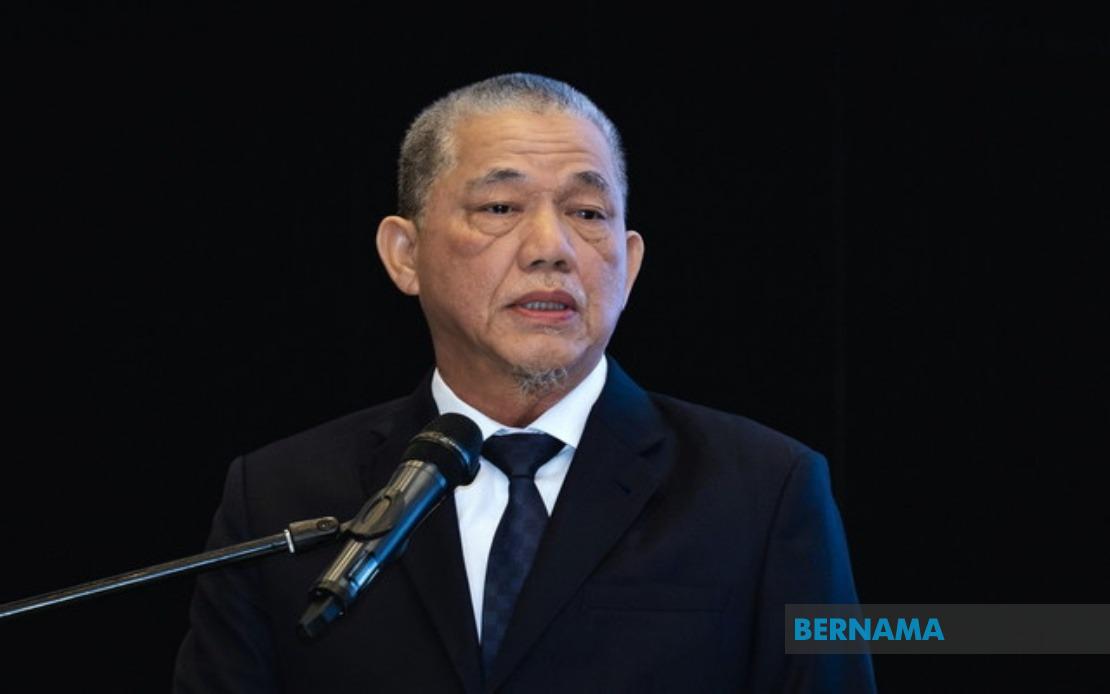
Deputy Prime Minister Datuk Seri Fadillah Yusof will undergo heart bypass surgery at the National Heart Institute (IJN) in the coming weeks, according to an official statement released from his office. The announcement was made by his press secretary, Datuk Misiah Taib, who also manages communications for Fadillah in his capacity as Minister of Energy Transition and Water Transformation (PETRA). The decision to proceed with the surgical intervention follows recommendations made by his medical team after a thorough medical assessment.
The confirmation of the upcoming procedure comes as part of routine medical management for cardiovascular health. Heart bypass surgery, formally known as coronary artery bypass grafting, is a common intervention performed when coronary arteries become significantly narrowed or blocked, restricting blood flow to the heart muscle. The National Heart Institute, Malaysia's premier cardiac facility, has extensive experience in managing complex cardiac cases and performs hundreds of such procedures annually. IJN's involvement in Fadillah's care underscores the serious nature of the condition requiring intervention.
Current reports indicate that the Deputy Prime Minister's condition remains stable, a positive sign that permits scheduling of the procedure on a planned rather than emergency basis. His medical team has advised him to prioritise rest and recovery in the lead-up to surgery, guidance designed to optimise his physical condition ahead of the bypass operation. To facilitate this recuperation period and protect his privacy during medical treatment, the family has requested the public refrain from visiting, ensuring minimal disruption and stress during the recovery phase.
The timing of this announcement raises questions about the continuity of government operations and ministerial duties during Fadillah's recovery period. As both Deputy Prime Minister and Minister of PETRA, Fadillah holds significant portfolio responsibilities in Malaysia's energy sector and water management initiatives. The government will likely need to make arrangements for temporary delegation of critical functions or assignment of acting ministers to ensure no disruption to policy implementation or departmental operations.
Fadillah, who has held various ministerial positions throughout his career, including his previous role as Minister of Domestic Trade and Cost of Living, represents part of Malaysia's senior political leadership. His health situation brings into focus broader discussions about succession planning, deputy appointments, and the importance of robust institutional frameworks that can function smoothly even when senior figures require medical leave. The machinery of government must be sufficiently resilient to absorb temporary absences of key personnel without compromising effectiveness or decision-making capacity.
The family's request for public prayers and good wishes reflects cultural values deeply embedded in Malaysian society, where collective support for public figures during health challenges is considered both appropriate and meaningful. This communal aspect of recovery, encompassing spiritual and emotional dimensions alongside medical care, aligns with Malaysian traditions of compassion and solidarity during times of difficulty. The expression of gratitude to all those offering support demonstrates the family's appreciation for the broader network of well-wishers during this challenging period.
Cardiovascular disease remains a significant health concern across Southeast Asia, with heart conditions representing a leading cause of mortality and morbidity in the region. The Deputy Prime Minister's situation serves as a reminder of the prevalence of cardiac issues regardless of socioeconomic status or professional standing. Advanced medical facilities like IJN have made bypass surgery increasingly safe and effective, with high success rates and improved post-operative outcomes thanks to modern surgical techniques and comprehensive rehabilitation programmes.
The recovery trajectory following bypass surgery typically involves several phases, beginning with immediate post-operative stabilisation in intensive care, followed by progressive mobilisation and rehabilitation over several weeks. Full recovery to resume normal activities, particularly demanding roles in government, generally requires two to three months. This timeline suggests that Fadillah's return to full ministerial duties may extend into the later part of the year, necessitating continued contingency arrangements for his portfolios.
The announcement's timing in early August provides opportunity for the government to communicate any necessary interim arrangements to stakeholders and the public. Clear communication regarding ministerial coverage and operational continuity helps maintain confidence in government institutions and ensures businesses and citizens understand who is responsible for specific functions during the transition period. Such transparency is particularly important given the significance of the energy and water sectors to Malaysia's economic activity and public welfare.
As Fadillah prepares for surgery, the entire political establishment and Malaysian public will be watching his recovery with interest. The outcome of his medical treatment will have implications not only for his personal health and family wellbeing but also for government dynamics and senior leadership composition during what remains a critical period for Malaysia's economic and political development.

