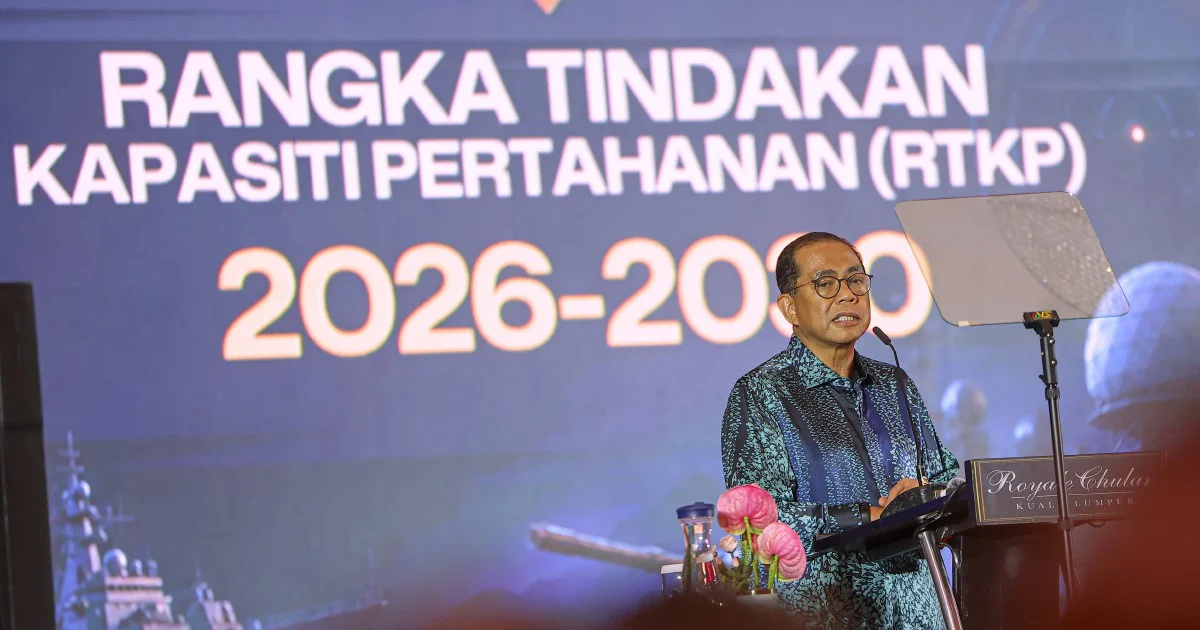
The Malaysian government has signalled its determination to work through a significant diplomatic dispute with Norway over the cancellation of a critical naval weapons system contract, with Defence Minister Datuk Seri Mohamed Khaled Nordin declaring the administration's resolve to find common ground on the matter. The statement indicates an effort to move beyond the impasse created when Norway terminated its agreement to supply advanced missile systems originally intended for Malaysia's Littoral Combat Ship programme, one of the country's most substantial defence acquisitions in recent years.
The Littoral Combat Ship initiative has been among the most closely watched and discussed defence modernisation projects in the region, designed to strengthen Malaysia's naval capabilities and maritime security posture. The procurement process has faced considerable technical and logistical challenges since its inception, with various contractors and systems integration delays affecting implementation timelines. Norway's decision to withdraw from the missile component represents a substantial complication to the overall project architecture, as the Kongsberg systems were considered integral to the vessels' operational effectiveness and combat capabilities.
Norway's revocation of the missile deal signals broader concerns about the project's viability and timing, though officials in Oslo have not publicly detailed all their reasoning for the withdrawal. The cancellation raises fundamental questions about the LCS programme's ability to deliver vessels equipped with modern weapons systems according to originally planned specifications. This development has prompted questions among defence analysts and policymakers regarding potential delays and the need to identify alternative suppliers for equivalent missile technology.
The Defence Ministry's willingness to engage diplomatically suggests Malaysia recognises the importance of maintaining strong bilateral relations with Norway despite the commercial disagreement. Diplomatic channels between defence establishments can sometimes produce creative solutions when commercial contracts prove problematic, potentially involving renegotiation of terms, revised timelines, or modified specifications that address underlying concerns on both sides.
From a regional security perspective, Malaysia's naval modernisation carries implications for maritime stability in Southeast Asia. The LCS vessels are intended to enhance Malaysia's capacity to patrol and protect its extensive maritime territory, respond to security threats, and participate in regional defence cooperation arrangements. Any delays or capability reductions stemming from the Norwegian cancellation could affect Malaysia's timeline for achieving its stated naval modernisation goals.
The broader context involves complex procurement dynamics within defence industries globally, where political considerations, strategic partnerships, and commercial viability often intersect. Norway's decision may reflect domestic political concerns or revised assessments of the project's long-term sustainability. Malaysia's openness to resolution demonstrates pragmatic recognition that such disputes can be addressed through patient negotiation rather than confrontation.
Alternative suppliers exist for advanced maritime missile systems, though sourcing equivalent technology may require Malaysia to recalibrate specifications or accept different delivery timelines. European and other Western suppliers maintain sophisticated systems that could potentially fill the gap left by Norway's withdrawal, though each option carries distinct diplomatic, technical, and financial implications. The Malaysian government must carefully evaluate whether to pursue similar systems from alternative vendors or fundamentally redesign the LCS programme's weapons architecture.
The statement from Defence Minister Khaled represents the government's public posture of constructive engagement, though substantive negotiations will determine whether this optimism translates into practical outcomes. Both governments face domestic constituencies with interests in the outcome—Norway's political establishment may have requirements regarding technology transfer or end-use monitoring, while Malaysia must satisfy parliamentary oversight and budget constraints.
For Malaysian defence procurement more broadly, the situation underscores persistent challenges in executing large-scale military acquisition projects involving international partners. The defence industry remains susceptible to political shifts, strategic reassessments, and evolving technological requirements that can disrupt contracts initially negotiated in different circumstances. Malaysia's experience with the LCS programme provides lessons relevant to future defence cooperation agreements and the importance of contract provisions addressing contingencies.
The resolution path forward will likely involve multiple rounds of discussion between defence ministries, technical teams, and potentially commercial intermediaries. Successful outcomes in similar situations have sometimes involved phased implementation approaches, modified specifications that satisfy both parties' core interests, or financial adjustments that account for changed circumstances. The genuine commitment signalled by the Defence Ministry suggests Malaysia intends to pursue collaborative solutions rather than litigation or public acrimony.
Regional observers will watch this diplomatic engagement carefully, as Malaysia-Norway defence relations reflect broader patterns in how Southeast Asian nations navigate partnerships with advanced Western military suppliers. The outcome may influence how Malaysian policymakers approach future major defence acquisitions and the institutional mechanisms they establish to manage complexity in such relationships. Beyond the immediate commercial dispute lies the foundational question of how Malaysia can strengthen its maritime capabilities while managing the inevitable complications inherent in international defence procurement.

