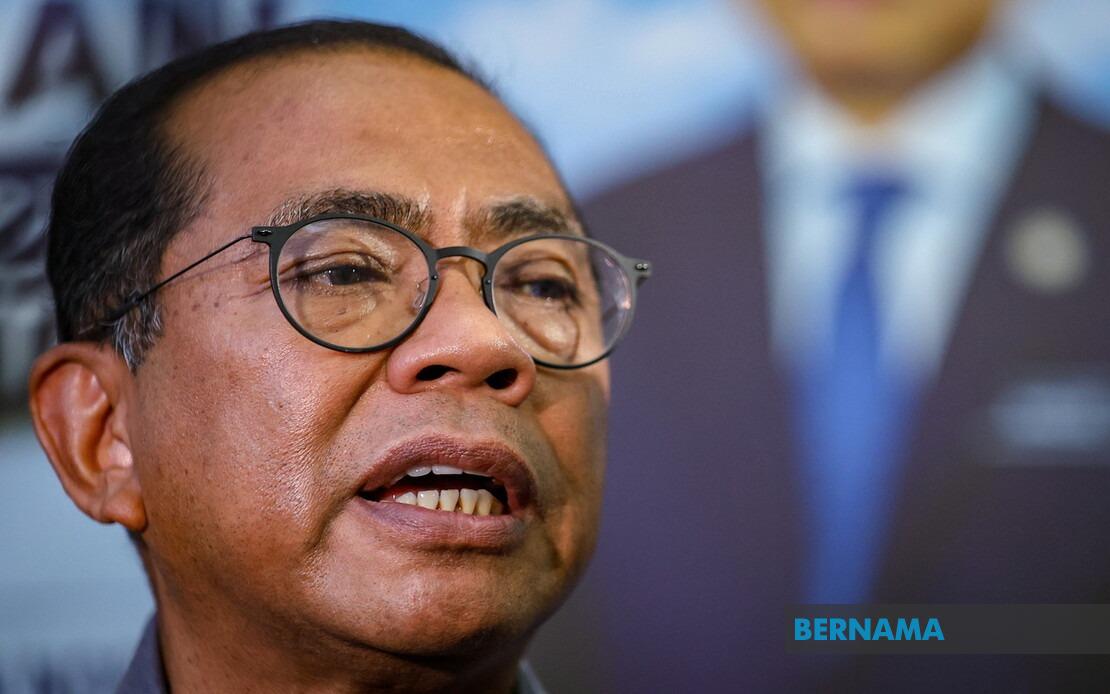
Defence Minister Datuk Seri Mohamed Khaled Nordin touched down in Hanoi today to begin a two-day official visit intended to fortify defence cooperation between Malaysia and Vietnam. The high-level diplomatic engagement represents Mohamed Khaled's inaugural visit to Vietnam in his capacity as Defence Minister, underscoring the importance Kuala Lumpur places on strengthening military relations with one of Southeast Asia's key strategic players.
The minister's arrival at Noi Bai International Airport marks the start of a carefully scheduled itinerary that will include meetings with senior Vietnamese leadership. Mohamed Khaled is expected to engage with Vietnam's Prime Minister Le Minh Hung and General Phan Van Giang, who serves as Deputy Prime Minister and Minister of National Defence. These engagements will provide an opportunity to discuss a broad spectrum of defence matters affecting both nations and the wider region.
Malaysia and Vietnam have cultivated a relationship rooted in decades of diplomatic and military cooperation. The relationship, though occasionally overshadowed by broader geopolitical considerations in the region, has remained remarkably stable. Mohamed Khaled's visit demonstrates the Malaysian government's intention to revitalise and expand this partnership beyond its current parameters, seeking tangible outcomes that translate into concrete defence initiatives.
Central to the bilateral relationship is the Memorandum of Understanding on defence cooperation, which was renewed in December 2023. This agreement serves as the foundation for sustained military engagement between the two countries and reflects their mutual commitment to deepening institutional ties. The renewal of this agreement just months ago signals that both Kuala Lumpur and Hanoi recognise the strategic value of maintaining robust defence channels amid an increasingly complex regional security environment.
Malaysia's approach to Vietnam reflects a deliberate strategy of engaging with key regional powers to address shared security challenges. The South China Sea, a waterway of immense strategic importance through which trillions of dollars in global trade pass annually, remains a focal point for both nations. Piracy, maritime territorial disputes, and the need for coordinated responses to transnational threats such as trafficking and terrorism make the deepening of Malaysia-Vietnam defence cooperation not merely a bilateral concern but a matter of pressing regional significance.
Through his Facebook address, Mohamed Khaled articulated his vision for elevating Malaysia-Vietnam defence relations to unprecedented heights. His emphasis on creating expanded avenues for cooperation suggests that the visit extends beyond ceremonial protocol into substantive discussions about joint military exercises, intelligence sharing arrangements, and coordination on emerging security threats. Such endeavours would benefit both nations by pooling resources and expertise on challenges that transcend national boundaries.
The timing of this visit carries broader implications for Southeast Asian security architecture. As the region navigates geopolitical tensions and power competition among major external actors, the ability of individual Southeast Asian nations to forge stronger bilateral ties becomes increasingly important. Vietnam, as a significant military power with substantial naval capabilities, represents an ideal partner for Malaysia in addressing shared maritime security concerns and maintaining a balance of influence in the region.
Malaysia's investment in this relationship also reflects acknowledgment of Vietnam's growing strategic importance within ASEAN. Vietnam's positioning along major shipping lanes and its experience managing complex maritime boundaries make it a natural ally for Malaysia in discussions about regional peace and stability. The cooperation between these two countries can serve as a model for how Southeast Asian nations might collectively address security challenges while maintaining strategic autonomy.
Beyond the specific bilateral agenda, this visit underscores Malaysia's commitment to diversifying its defence partnerships. While Malaysia maintains longstanding relationships with traditional defence partners such as the United States and Britain, the cultivation of stronger ties with fellow Southeast Asian nations like Vietnam reinforces the principle of regional solidarity and self-reliance. This approach aligns with ASEAN's foundational principles of non-interference and respect for sovereignty while simultaneously building practical mechanisms for cooperation on matters of mutual interest.
The defence cooperation between Malaysia and Vietnam encompasses multiple dimensions, from military training and capacity building to technological exchange and joint maritime patrols. These concrete initiatives translate abstract commitments into actionable programmes that demonstrate tangible benefits to both countries' armed forces. The visit provides an opportunity to evaluate existing cooperation mechanisms and identify new areas where Malaysia and Vietnam can work together more effectively.
Regional observers will be watching closely to assess whether this visit produces substantive agreements or joint statements that indicate progress on specific defence initiatives. The outcome of Mohamed Khaled's meetings in Hanoi could signal the direction of Malaysia-Vietnam relations over the coming years and provide insight into how both nations are adapting their strategic approaches to emerging regional challenges. Any announcements regarding expanded military exercises, technology transfers, or enhanced intelligence cooperation would represent meaningful advancement in the bilateral relationship.
For Malaysia, successful engagement with Vietnam also has domestic implications. Demonstrating effective diplomacy and the ability to forge productive international partnerships strengthens the government's credibility on defence and security matters. Citizens and analysts alike view a nation's capacity to build strategic alliances as reflective of its broader competence in foreign policy and military affairs, making visible diplomatic progress an asset beyond the immediate bilateral context.
As Mohamed Khaled concludes his visit to Vietnam, the outcomes will likely establish the framework for Malaysia-Vietnam defence cooperation over the next several years. Whether this engagement marks the beginning of a significant deepening of ties or represents incremental progress within an already stable relationship will depend on the specific agreements reached and the commitment both nations demonstrate to implementing them. What remains clear is that Malaysia views Vietnam as an essential partner in navigating the security challenges facing Southeast Asia in an increasingly multipolar world.

