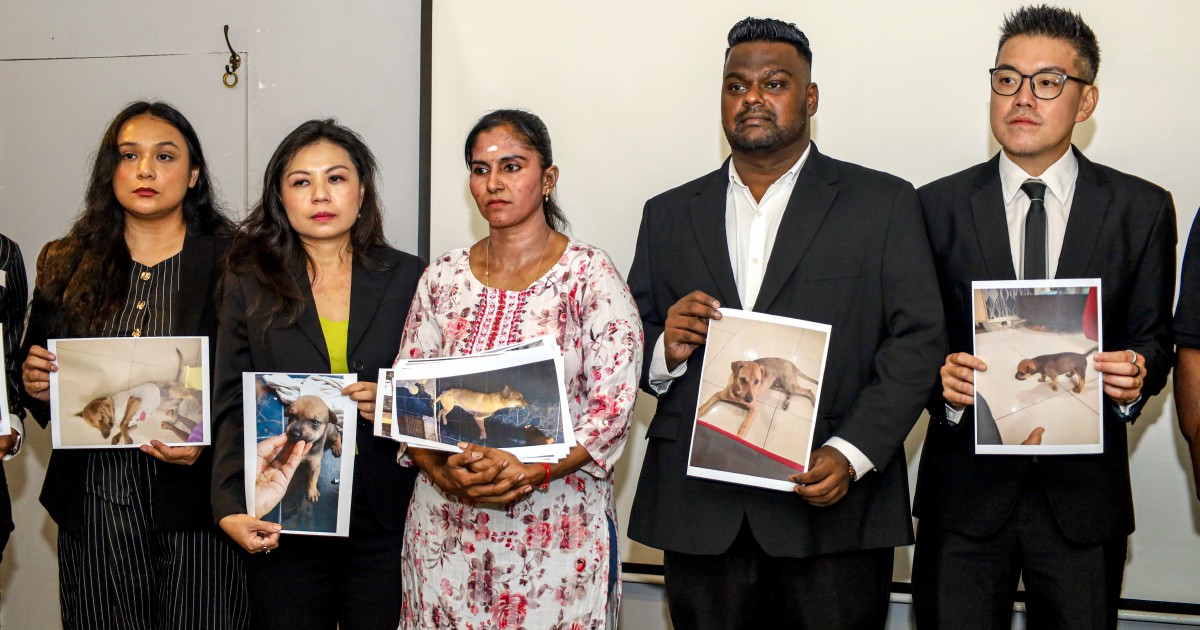
A tragic incident involving the alleged beating death of Rocky, a family pet, during what authorities claim was a stray dog capture operation in Taman Teluk Gedung Indah, Port Klang, has ignited fresh concerns about the procedures and protocols governing animal control activities in Malaysia. Rocky's owner has become an unlikely advocate for systemic reform, calling for a transparent and impartial investigation into the circumstances surrounding the animal's death, raising uncomfortable questions about oversight mechanisms within local authorities responsible for managing stray dog populations.
The incident has placed intense scrutiny on the standard operating procedures employed by dog-catching teams across the country. These operations, typically conducted by local council personnel or contracted vendors, are meant to manage the growing population of stray dogs in residential areas, which pose genuine public health and safety concerns. However, Rocky's case illustrates how such well-intentioned initiatives can, without proper training, supervision, and accountability, result in tragedy affecting innocent pet owners and their beloved animals.
Rocky's owner has articulated a reasonable position: any investigation must be conducted with full transparency and independent oversight to establish what actually transpired during the operation. This demand reflects broader public sentiment in urban Malaysia where pet ownership has surged in recent years, and where increasingly organised pet-owning communities are becoming more vocal about their animals' welfare and safety. The incident highlights the tension between municipal authorities' duty to control stray populations and the legitimate concerns of residents who maintain their dogs within their homes and compounds.
The death raises fundamental questions about training standards for personnel engaged in dog capture operations. Effective animal control requires skilled handlers who understand dog behaviour, can minimise stress and harm to animals, and employ humane techniques. If brutality occurred, as appears to be alleged, it suggests either inadequate training, insufficient supervision, or a systemic failure to enforce welfare standards. Malaysia's animal protection framework, while containing relevant legislation, may lack sufficient enforcement mechanisms or resources to ensure consistent application across all municipalities.
Local authorities across Malaysia must confront whether their current dog-catching protocols adequately distinguish between genuinely stray animals and pets that may have temporarily escaped their owners' premises. The consequences of such confusion can be devastating, as Rocky's case demonstrates. Enhanced systems for pet identification, owner notification procedures, and holding periods before removal could substantially reduce the risk of tragic mistakes. Several municipalities have begun implementing microchip registries and photograph-based animal databases, but uptake remains patchy across the country.
The incident also underscores the need for clearer communication between municipal authorities and residential communities. Many Malaysians remain unaware of stray dog capture protocols, the timeline for such operations, or the rights and responsibilities of pet owners during these activities. Community engagement and transparent communication could reduce misunderstandings and potentially prevent future tragedies. Public consultation on dog management strategies should become standard practice rather than an afterthought.
From a broader Southeast Asian perspective, Malaysia's experience reflects challenges common across the region. Growing urbanisation has increased human-wildlife and human-stray animal conflicts, prompting authorities to implement control measures that sometimes lack adequate safeguards. Neighbouring countries including Singapore and Thailand have developed more sophisticated approaches to stray management, combining capture with rehabilitation and rehoming programmes. Such models merit serious consideration as Malaysian municipalities seek to balance public safety with animal welfare and community interests.
The investigation into Rocky's death must examine not only what happened during that specific incident but also whether systemic issues contributed to the tragedy. This includes assessing training protocols, equipment used, supervision levels, and the chain of command and accountability. The involvement of local government bodies in Port Klang, and potentially their contracted partners, requires independent scrutiny to ensure credibility and public confidence in findings.
Pet owner advocacy groups have begun mobilising in response to Rocky's death, signalling that communities are no longer willing to accept inexplicable losses of beloved animals without demanding answers. This activism, while sometimes contentious, can drive positive change if channelled constructively. Authorities would be wise to engage these communities as partners in developing humane and effective stray dog management strategies rather than viewing them as obstacles.
Moving forward, Malaysia's local authorities must recognise that effective animal control demands rigorous professionalism, comprehensive training, robust accountability mechanisms, and genuine commitment to welfare standards. The death of Rocky serves as a reminder that procedures affecting vulnerable creatures—whether stray or family pet—require the same careful attention to process, oversight, and human compassion that Malaysians would expect in any critical municipal function. Only through transparent investigation and genuine reform can public confidence be restored.

