A Moroccan national's death during an arrest operation in Italy has set off a chain of protests and official inquiries, with both governments now facing pressure to explain the circumstances surrounding the incident. The episode underscores the delicate relationship between Italy and Morocco on matters involving migrant welfare and police conduct, topics that have grown increasingly sensitive across the Mediterranean region.
Morocco's government has formally requested a comprehensive clarification of the events leading to the man's death, signalling the country's determination to protect its citizens abroad and maintain diplomatic standing. The demand for full accountability reflects broader concerns within North African nations about how their nationals are treated during law enforcement operations in European countries, a matter that resonates deeply in Morocco's public consciousness.
Italian Prime Minister Giorgia Meloni responded to the incident by declaring the government's commitment to uncovering the complete truth. Her statement represents the official position that a thorough investigation must proceed impartially, without external pressure, though the remarks also serve to address domestic concerns about police accountability and the rule of law. The incident occurred at a moment when Italy faces ongoing scrutiny from human rights organisations regarding migrant detention and law enforcement practices.
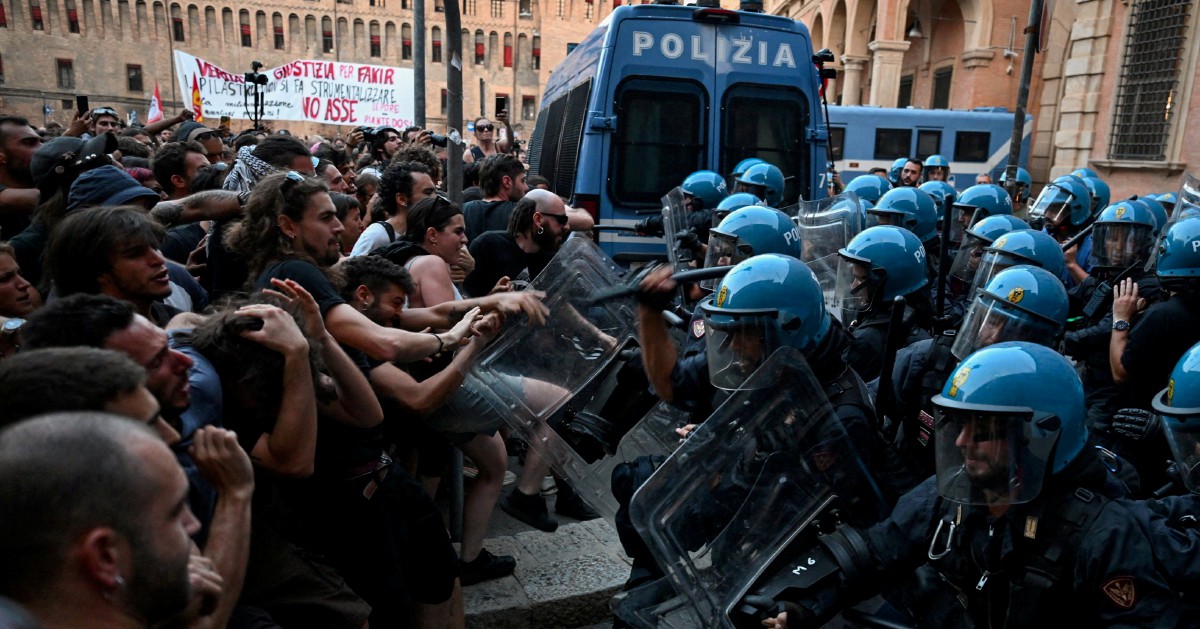
The death triggered demonstrations across Italy, with protesters gathering to demand justice and call attention to what they view as systemic issues within the country's approach to policing. These protests reflect broader European conversations about racial justice, police reform, and the treatment of minority communities during routine law enforcement interactions. The visibility of street protests in Italian cities has amplified the case beyond a single incident, transforming it into a focal point for wider debates about institutional accountability.
Investigators in Italy have launched a formal probe into the circumstances, examining whether proper procedures were followed during the arrest and whether any negligence or misconduct occurred. The investigation's scope will likely determine whether charges are filed against individual officers or whether systemic failures are identified that require institutional reform. Such inquiries typically involve the prosecution service, police oversight bodies, and forensic examination of evidence.
For Malaysia and other Southeast Asian nations, this development carries relevant implications regarding the treatment of their own citizens abroad. Cases like this demonstrate the importance of maintaining strong diplomatic channels with European partners and establishing clear protocols for consular assistance when nationals encounter legal troubles or die under unclear circumstances. Southeast Asian governments increasingly prioritise bilateral agreements that guarantee fair treatment and transparent handling of incidents involving their citizens.
The incident also highlights the pressures facing European police forces managing complex urban environments with significant migrant populations. Italy, as a primary entry point for Mediterranean migration routes, contends with high-volume immigration that sometimes creates tense encounters between authorities and vulnerable populations. The balance between effective law enforcement and protecting individual rights remains contested in Italian policy debates and public discourse.
Both nations appear cognisant that how this case is handled will send signals about their commitment to justice and human rights. Morocco's diplomatic engagement suggests the country will not accept a perfunctory investigation, while Meloni's rhetoric indicates Italy recognises the need for thoroughness and credibility. International attention from European media and advocacy groups ensures that any perceived shortcomings will draw criticism.
The broader context involves decades of Italian migration policies, complex north-south European dynamics around asylum and border management, and Morocco's strategic position in Mediterranean affairs. Morocco maintains crucial partnerships with European nations on migration control, counterterrorism, and economic cooperation, making this incident diplomatically consequential for both sides. The handling of the case will potentially influence future cooperation frameworks and public trust in institutional fairness.
As investigations proceed, the challenge for Italian authorities lies in demonstrating that the judicial system functions independently and delivers justice regardless of the nationality of the deceased or political pressures. For Morocco, the priority involves ensuring that its government advocates adequately for its citizen while respecting Italy's sovereign authority to conduct investigations. The incident serves as a reminder that migration-related tensions remain volatile flash points in European-North African relations, capable of escalating quickly without careful diplomatic management and transparent accountability mechanisms.

