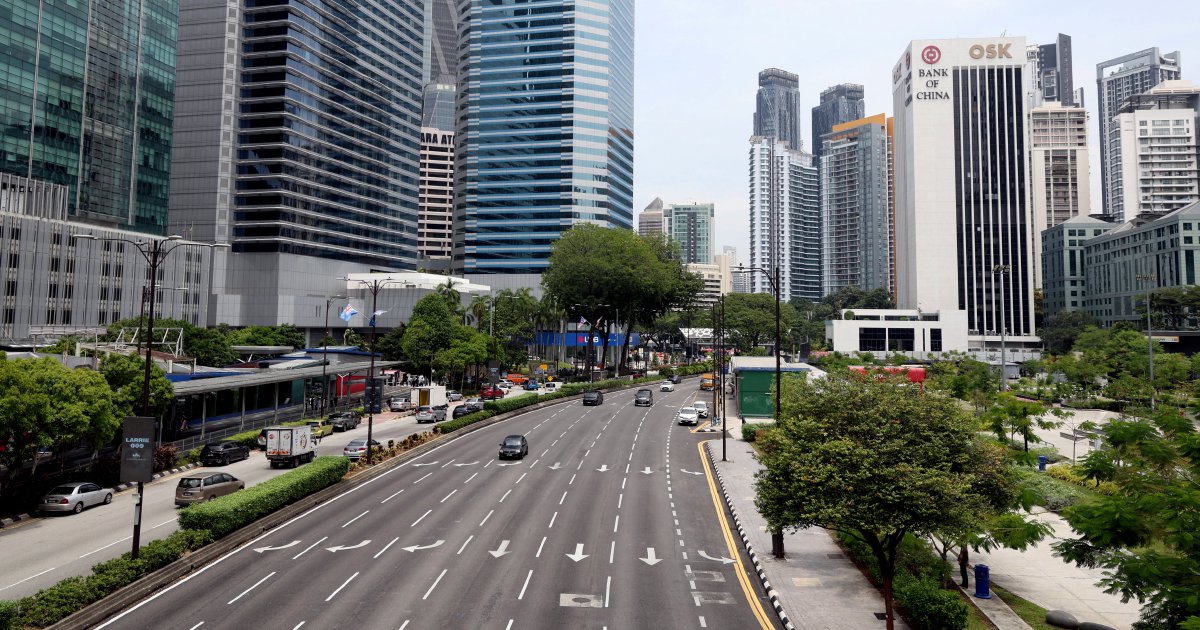
Kuala Lumpur City Hall (DBKL) has initiated both a comprehensive technical inquiry and a systematic safety audit of trees along the capital's primary thoroughfares following a fatal incident involving a collapsed tree. The dual-pronged response reflects mounting concerns about the structural integrity of aging trees in urban environments and their potential risk to public safety.
The investigation process encompasses a detailed examination of how and why the tree failure occurred, looking into factors such as root health, trunk stability, and environmental stressors that may have contributed to the collapse. This technical assessment will establish whether the incident resulted from natural deterioration, disease, inadequate maintenance, or other preventable causes. Understanding the precise mechanism of failure is critical not only for accountability but also for developing preventive measures that could arrest similar incidents elsewhere in the city.
Parallel to this investigation, DBKL field teams have commenced on-ground inspections targeting mature and potentially hazardous trees distributed across Kuala Lumpur's major road networks. These visual assessments aim to identify trees showing signs of weakness, decay, or structural compromise before they pose an imminent threat. The priority appears to be high-traffic corridors where a tree fall could result in property damage or loss of life, given the volume of vehicles and pedestrians in these areas daily.
The timing of this intervention comes as urban forestry professionals worldwide grapple with balancing the environmental and quality-of-life benefits of street trees against the maintenance demands and liability risks they present. Kuala Lumpur, like other tropical cities, experiences year-round growth and rapid decomposition cycles, meaning tree health assessments must account for climatic factors unique to Southeast Asia. Heavy monsoon rains, high humidity, and occasional extreme weather events accelerate structural failures in aging specimens that may appear superficially healthy.
The broader challenge facing DBKL relates to the sheer inventory of trees under its purview. Kuala Lumpur's road network spans hundreds of kilometres, many lined with decades-old trees that have never undergone systematic health audits. Even with increased inspection frequency, determining which trees require immediate removal versus targeted care requires both expertise and adequate funding. Arborists must weigh the loss of mature canopy cover against public safety, a calculus that becomes politically sensitive when beloved landmarks or heritage trees are deemed unsafe.
Previous incidents of tree falls in Malaysian cities have prompted similar emergency inspections, yet follow-through on recommendations has historically been inconsistent. This time, the fatality has elevated public awareness and may pressure authorities to act decisively. Social media has amplified concerns about tree maintenance across the capital, with residents reporting observations of dead branches, hollow sections, and visible disease on prominent roadside specimens. DBKL's visible response to these reports demonstrates a reactive rather than proactive management philosophy, though the agency may argue that resource constraints have previously limited preventive work.
The investigation and inspection initiative also raise questions about liability and insurance. If negligence or deferred maintenance is found to have contributed to the fatality, DBKL could face legal claims and demands for compensation. This financial exposure may actually catalyse more rigorous safety protocols going forward, as the cost of litigation and settlements exceeds the cost of preventive arboriculture. Insurance carriers often mandate regular inspections and documented removal of hazard trees to mitigate claims, providing another incentive for systematic oversight.
Technological solutions may play a role in future tree management. Ground-penetrating radar, acoustic tomography, and drone-mounted sensors can now assess internal tree health without felling specimens, enabling more accurate risk classification. However, deploying such technologies across an entire city requires significant capital investment and technical expertise that DBKL may need to acquire or contract externally. Building this capability could position Kuala Lumpur as a leader in urban tree management within Southeast Asia.
For residents and businesses in Kuala Lumpur, the immediate outcome of DBKL's initiative will likely be more frequent road closures and tree removals as unsafe specimens are taken down. The visual impact may be noticeable, particularly on streets where mature trees provide significant shade and aesthetic value. This temporary diminishment of canopy cover underscores the long-term cost of deferred maintenance; had trees been systematically managed and selectively pruned over previous decades, the need for wholesale removal could have been minimized.
The investigation findings and inspection results will eventually be made public, likely triggering broader discussions about tree management policy in other Malaysian cities. Penang, Johor Bahru, and Kuching face similar challenges with aging urban forestry assets. DBKL's experience will provide lessons and potentially serve as a model or cautionary tale for other local authorities contemplating their own tree safety programmes. Whether this incident catalyses systemic improvement or becomes merely another temporary response remains to be seen, depending on sustained political will and budget allocation beyond the immediate crisis period.

