Kuala Lumpur City Hall (DBKL) has commenced official land acquisition proceedings to address a contentious access road situation in Taman Datuk Senu, Sentul, where a critical public route has been discovered to traverse privately held property. The issue gained prominence recently when residents took to social media to highlight the severe disruptions caused by the road's closure and blockade, which cut off their primary daily commute through the residential neighbourhood.
According to Kuala Lumpur Mayor Datuk Seri Fadlun Mak Ujud, administrative investigations revealed a significant oversight: no formal land acquisition had ever been executed for this stretch despite years of public usage. The mayor explained that this historical gap in documentation means the road, which residents and commuters have relied upon for an extended period, technically sits on land owned by a private party rather than forming part of municipal holdings.
The pathway to resolution has been incremental and deliberate. DBKL initiated preliminary consultations in February involving all stakeholders affected by the dispute. These discussions aimed to build consensus and establish the framework for a formal solution before escalating matters through official governmental channels. The groundwork laid during these months proved essential for constructing a proper legal foundation.
With groundwork completed, DBKL has now submitted a comprehensive land acquisition application to the Department of the Director General of Lands and Mines (JKPTG), transferring responsibility to the federal body mandated to oversee such transactions. This procedural shift reflects the constitutional requirement that municipal authorities cannot independently acquire private land; instead, the federal apparatus must execute the formal transfer through established legal mechanisms.
The mayor clarified that the acquisition process unfolds through several distinct phases. Initial governmental approval must precede gazettement—the official publication of the acquisition notice in government records—which then enables the Valuation Department to determine fair compensation for the landowner. Only upon agreement regarding valuation can the actual transfer proceed and the public access be permanently secured.
Fadlun projected an optimistic timeline contingent on procedural efficiency. Should the JKPTG process advance without obstruction and the Valuation Department's compensation assessment face no legal challenges from the property owner, DBKL anticipated complete resolution within three to four months from the application submission date. This estimate, however, carries the implicit caveat that bureaucratic complications or valuation disputes could extend proceedings.
The mayor appealed directly to the affected landowner, requesting patience and cooperation with the formal process. His remarks acknowledged the legitimacy of both parties' positions: the public's decades-long reliance on the route warranted municipal intervention, yet the property owner deserved fair market compensation and transparent legal proceedings. This balancing act reflects the delicate nature of resolving disputes between collective convenience and individual property rights in densely populated urban areas.
This situation exemplifies broader challenges facing Malaysian municipalities as urbanisation continues. Historic informal arrangements—where public usage of private land occurs without formal documentation—create legal ambiguities that compound when neighbourhoods grow or residents increasingly depend on these routes. Kuala Lumpur's systematic approach to addressing the Taman Datuk Senu dispute provides a potential template for other city administrations encountering similar issues across the Klang Valley and beyond.
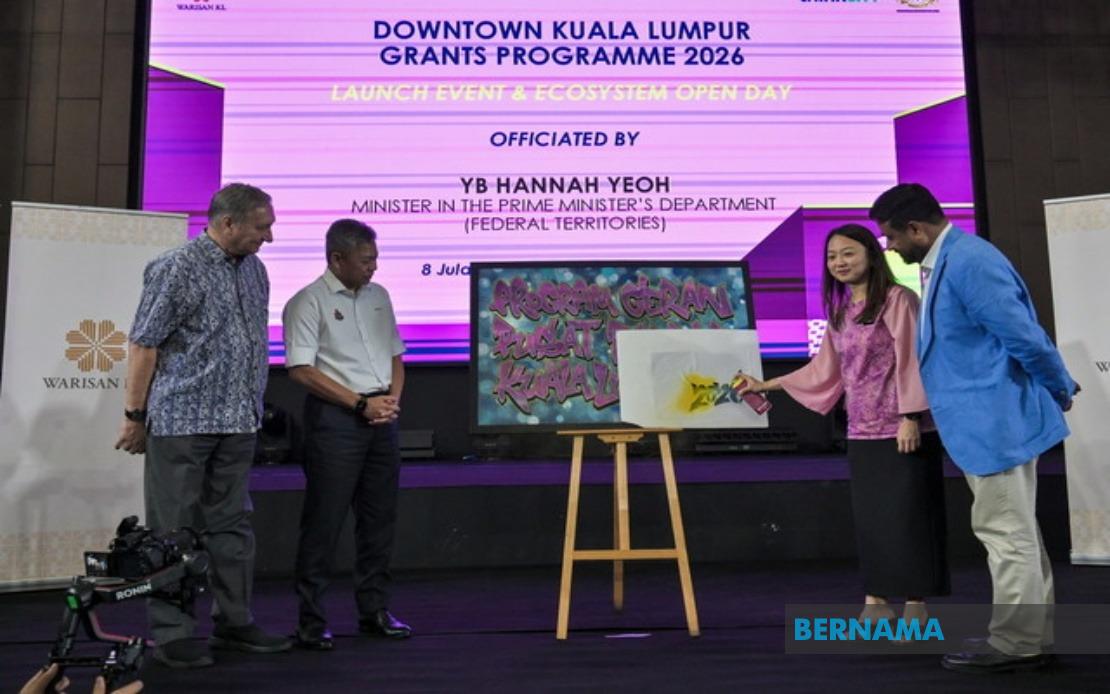
The involvement of Minister in the Prime Minister's Department (Federal Territories) Hannah Yeoh at the related Downtown Kuala Lumpur Grant Programme launch signals federal-level attention to the matter. This ministerial engagement underscores the political sensitivity surrounding infrastructure access in federal territories, where residents' grievances can quickly escalate into public relations challenges for both municipal and national governments.
The viral social media campaign that precipitated heightened official action demonstrates residents' increasing sophistication in leveraging digital platforms to force bureaucratic responsiveness. What might once have remained a localised grievance now gains immediate traction across networks, compelling administrators to acknowledge and address community concerns more rapidly than traditional complaint mechanisms might have facilitated.
For Malaysian property owners, this case reinforces the importance of formal documentation and official recognition of land use rights. Private landowners whose properties host undocumented public uses face eventual acquisition by municipalities seeking to legalise such arrangements, though fair compensation mechanisms typically apply. Conversely, residents depending on informal access routes face precarity unless those routes achieve municipal recognition and protection.
The resolution process now hinges on JKPTG's capacity to process the application efficiently and the Valuation Department's ability to establish compensation acceptable to all parties. Should negotiations progress smoothly, the Taman Datuk Senu situation could conclude within months, establishing clear municipal ownership and guaranteeing permanent public access. However, if complications arise—whether through valuation disputes, legal objections, or procedural delays—the matter could extend considerably, leaving residents' access status uncertain during the interim period.

