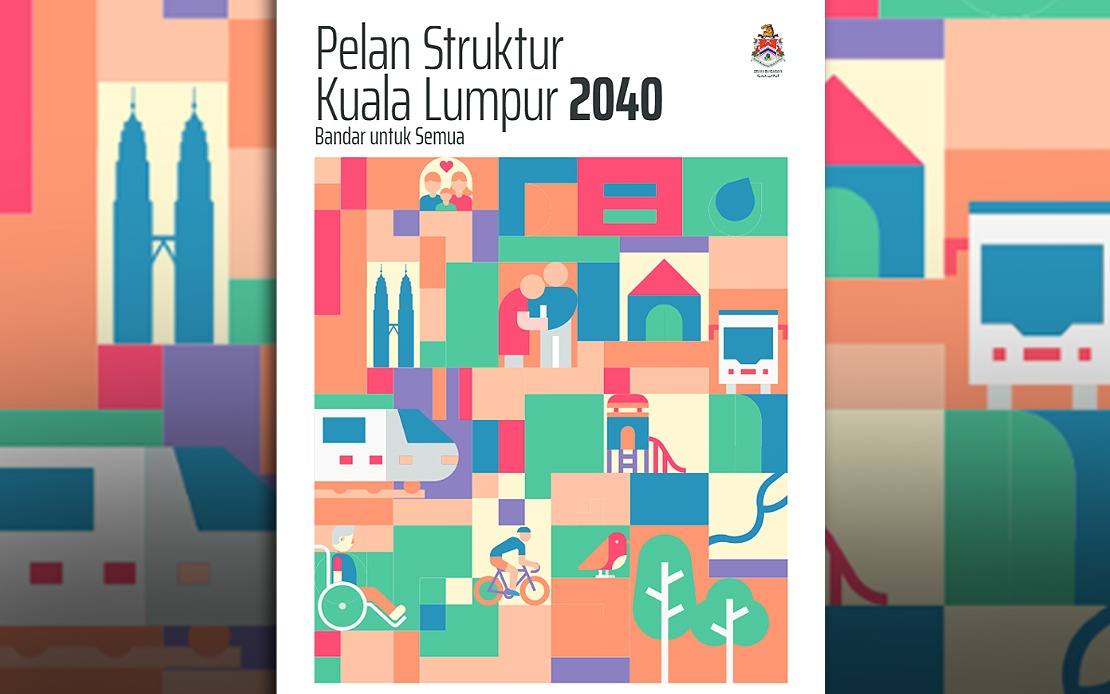
Kuala Lumpur City Hall (DBKL) has granted an extension on the closing date for submissions seeking modifications to the Kuala Lumpur Local Plan 2040 (PTKL2040), moving the final deadline to 5 pm on August 7. The decision reflects efforts by the municipal authority to accommodate the needs of property owners, construction firms, and other interested parties who wish to propose changes to the strategic planning framework that will guide the capital's urban development through 2040.
The postponement provides a meaningful window for registered landowners and developers to compile and lodge the necessary documentation without undue pressure. DBKL emphasized that the extra time serves to help applicants gather complete supporting materials and prepare Letters of Intent that adequately justify their proposed amendments. This measured approach recognises that assembling technical plans, legal documentation, and detailed rationales demands considerable effort, particularly for complex or large-scale proposals.
Submissions must include several key components to be considered valid. The Letter of Intent should articulate clear reasoning for why the amendment is warranted, accompanied by precise location details and site plans that leave no ambiguity about which areas are affected. Critically, applicants must also furnish the most current land title documentation relevant to their proposed site, ensuring that all submissions rest on verifiable proof of ownership or legitimate stakeholder status. This documentation requirement helps DBKL maintain procedural integrity while processing what could be a substantial volume of requests.
The amendment framework operates under Section 17 of the Federal Territory (Planning) Act 1982 (Act 267), which establishes the legal architecture permitting modifications to approved local plans. This mechanism exists to accommodate genuine changes in circumstances or planning priorities that emerge after an initial plan's adoption. Rather than being locked into static guidance, Kuala Lumpur's planning regime allows for evolution, though only through structured, documented processes that demand proper justification and stakeholder consideration.
Applicants have the flexibility to submit their applications through either of two channels: in-person delivery to the director of the City Planning Department (JPRB) located on Level 9 of Menara DBKL 1 along Jalan Raja Laut, or via email transmission. This dual-submission option acknowledges differing preferences among applicants and reduces barriers to participation, whether someone prefers the certainty of a hand-delivered package or the convenience of electronic submission.
Depending on the scale and nature of proposed changes, certain applicants may need to prepare a Local Plan Amendment Proposal Report (LCPPT). For such submissions, DBKL will advise applicants of the requirement to engage a Registered Town Planner, with the specific need determined by how extensive or complex the amendment scope becomes. This professional input requirement ensures that technical planning considerations receive proper expert analysis, strengthening the quality of proposals that ultimately reach DBKL's decision-makers.
To facilitate the application process, DBKL has made available an Application Checklist and the Kuala Lumpur LCPPT Manual through the Kuala Lumpur Development Plan website. These resources serve as practical guides, helping prospective applicants understand expectations and avoid common submission errors that might delay consideration or lead to rejections on procedural grounds. Easy access to such reference materials lowers the information asymmetry that might otherwise disadvantage smaller stakeholders unfamiliar with municipal planning protocols.
The city authority has actively encouraged interested parties to utilise the extension period strategically, framing the additional time as an opportunity to ensure that submissions are thorough and well-organised. DBKL's messaging suggests that premature or incomplete applications—though technically acceptable up until the deadline—are less likely to advance efficiently through the review and approval process. This implicit guidance nudges applicants toward quality preparation rather than rushed, deficient filings that might languish in administrative backlogs.
For Malaysia's property development sector and Kuala Lumpur stakeholders, this extension carries practical significance. Developers with projects that may not align perfectly with PTKL2040's current provisions now have a realistic opportunity to seek targeted modifications rather than attempting to force projects into unsuitable frameworks. Similarly, community groups or smaller stakeholders interested in advocating for neighbourhood-specific changes have genuinely added time to mobilise resources and compile supporting evidence. The decision signals that DBKL recognises legitimate demands for flexibility within a structured planning regime.
The broader implications extend beyond simple paperwork logistics. Planning amendments, when approved, can reshape development trajectories in affected areas, influencing everything from land values to traffic patterns, housing supply, and commercial activity. By extending the application window, DBKL creates a more democratic window for input from diverse constituencies. Property owners with foresight and administrative capacity can now pursue legitimate planning modifications that might otherwise have been abandoned due to time constraints.

