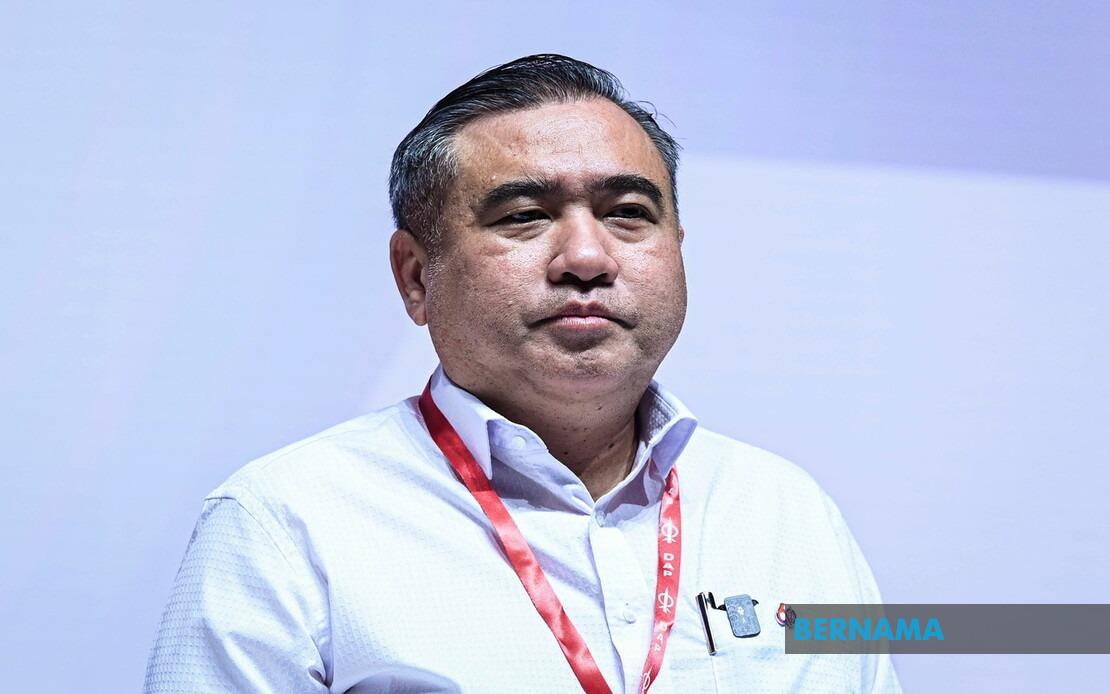
DAP's leadership has committed to channelling strong pressure from its membership base directly into government decision-making through official cabinet mechanisms. Secretary-general Anthony Loke made this pledge at the party's 2026 conference in Putrajaya, where he disclosed that delegates had voiced significant frustration with what they perceive as a lack of decisiveness and assertiveness from both the government and the party itself. The undertaking represents a calculated effort to harness internal party momentum and convert grassroots discontent into tangible policy shifts without fracturing the coalition architecture that has defined Malaysian governance since the 2023 general election.
The dynamics of DAP's conference, held at the Putrajaya International Convention Centre, revealed a membership base simultaneously committed to coalition stability yet deeply concerned about the pace and ambition of reform initiatives. Loke confirmed that delegates were given considerable latitude to air critical perspectives on party performance and government effectiveness during open debate sessions. This structured airing of dissent served multiple purposes: it validated democratic participation within party structures, provided safety valves for accumulated frustration, and simultaneously generated a documented mandate that Loke can now invoke when negotiating with coalition partners. The approach reflects sophisticated political management, allowing the party to appear internally vibrant and responsive whilst maintaining coalition discipline.
The voting outcome itself tells a nuanced story about DAP's current positioning. Of 2,106 ballot papers distributed, 1,857 delegates voted to remain within the Unity Government framework, representing 88 per cent support, while 242 delegates—12 per cent—voted to exit the coalition. Seven ballots were spoilt. On the surface, this constitutes an overwhelming mandate for continued participation. Yet the 12 per cent dissenting vote, representing nearly a quarter-thousand party members, signals meaningful internal anxiety about the coalition's trajectory. Loke's deliberate acknowledgment that he respects the minority position without telegraphing any disciplinary action suggests the party leadership recognises that this vocal opposition reflects legitimate concerns rather than factional disloyalty requiring suppression.
Loke's framing of the reform agenda as a collective government undertaking rather than a partisan DAP initiative reflects deeper strategic calculations within the coalition. He emphasised that several significant institutional reforms—including the separation of the Attorney-General and Public Prosecutor roles, constitutional limits on prime ministerial tenure, and anti-corruption efforts—were not unilaterally DAP proposals but rather initiatives jointly agreed upon within the Pakatan Harapan coalition and subsequently the broader Unity Government framework. This reframing carries implications for Malaysian political stability and regional governance models. By positioning DAP as one voice among many advocating institutional renewal, Loke attempts to defuse opposition accusations that the party is using government participation to impose its ideological agenda, a charge that has periodically destabilised past coalition arrangements.
The separation of powers between the Attorney-General and Public Prosecutor represents perhaps the most constitutionally significant reform under discussion. Currently vested in a single office, this concentration of legal authority has long attracted scrutiny from good governance advocates and international observers. Implementing such separation requires careful legislative architecture to prevent either position from becoming politicised or weaponised. The fact that this reform has secured agreement across multiple coalition partners—not merely DAP—suggests it reflects a broader consensus about institutional vulnerability rather than narrow partisan preference. For Malaysian readers, this signals potential constitutional evolution that could reshape how the judiciary relates to the executive, with ramifications extending well beyond immediate political calculations.
The delegates' calls for more decisive and assertive governance warrant examination within Malaysia's specific political context. The Unity Government that emerged after the 2023 elections represented an unprecedented coalition arrangement, uniting former ideological antagonists behind a stability-focused agenda. This very diversity and breadth of consensus, whilst providing legitimacy and broad-based representation, can also create decision-making gridlock as coalition partners negotiate acceptable positions. DAP delegates appear frustrated by what they perceive as excessive caution or incrementalism when bolder measures might better serve national interests. Their feedback suggests that achieving coalition consensus sometimes requires compromising on ambition, and that grassroots members want leadership to push more forcefully for their preferred outcomes within negotiated parameters.
Loke's commitment to respect democratic process, evidenced by his refusal to contemplate sanctions against dissenting delegates, reflects both principled commitment to internal party democracy and pragmatic recognition that heavy-handed suppression of dissent could be counterproductive. By allowing criticism to surface, be voiced, recorded and acknowledged, the party leadership demonstrates institutional health and legitimacy that would be compromised by authoritarian responses. This approach also allows Loke to claim a fresh mandate from the membership when he negotiates with coalition partners, arguing that his positions reflect considered delegate will rather than factional interest. For regional observers, this demonstrates how Malaysian political parties are increasingly sophisticated in managing internal pluralism whilst maintaining coalition discipline.
The broader context of DAP's position within the Unity Government framework shapes how these delegate demands should be interpreted. As the largest component of the Pakatan Harapan coalition, DAP possesses leverage within government, yet must balance its influence against the need for broad coalition stability. The party fields cabinet ministers responsible for implementing government policy, and these officials must navigate the competing demands of party supporters wanting assertive action and coalition partners requiring careful consensus-building. The delegate feedback essentially instructs DAP's cabinet representatives that the party membership expects them to argue more vigorously for preferred policy positions. This creates internal pressure that may translate into more aggressive advocacy at cabinet level, potentially accelerating reforms that have stalled or progressed slowly.
The question of how effectively these grassroots demands can be translated into governmental action remains open. Cabinet negotiations operate according to different logics than party conferences, where coalition partners possess multiple leverage points and competing priorities. DAP's cabinet ministers will certainly convey delegate sentiment, but converting that feedback into policy outcomes depends on finding coalition partners receptive to acceleration or intensification of existing reform agendas. For Malaysian political observers, the conference outcome suggests that DAP intends to become a more forceful voice for institutional reform within the government, potentially making coalition governance more contentious as the party pursues mandates from its membership more aggressively.
The implications for Malaysian governance extend beyond immediate coalition dynamics. If DAP successfully translates delegate demands into accelerated reform implementation, the constitutional and institutional changes under discussion could reshape how government operates. Equally, if coalition dynamics prevent significant acceleration, the party faces credibility challenges with its membership base, potentially weakening its position in future electoral contests. The 12 per cent delegate vote for coalition exit, whilst currently insufficient to force policy change, provides a warning signal that maintaining party cohesion requires demonstrable progress on the reform agenda. Loke's skilful handling of the conference—respecting dissent while securing a clear mandate for coalition participation—provides breathing room for implementing reform agendas, but only if tangible progress can be demonstrated to restless grassroots members in coming months.

