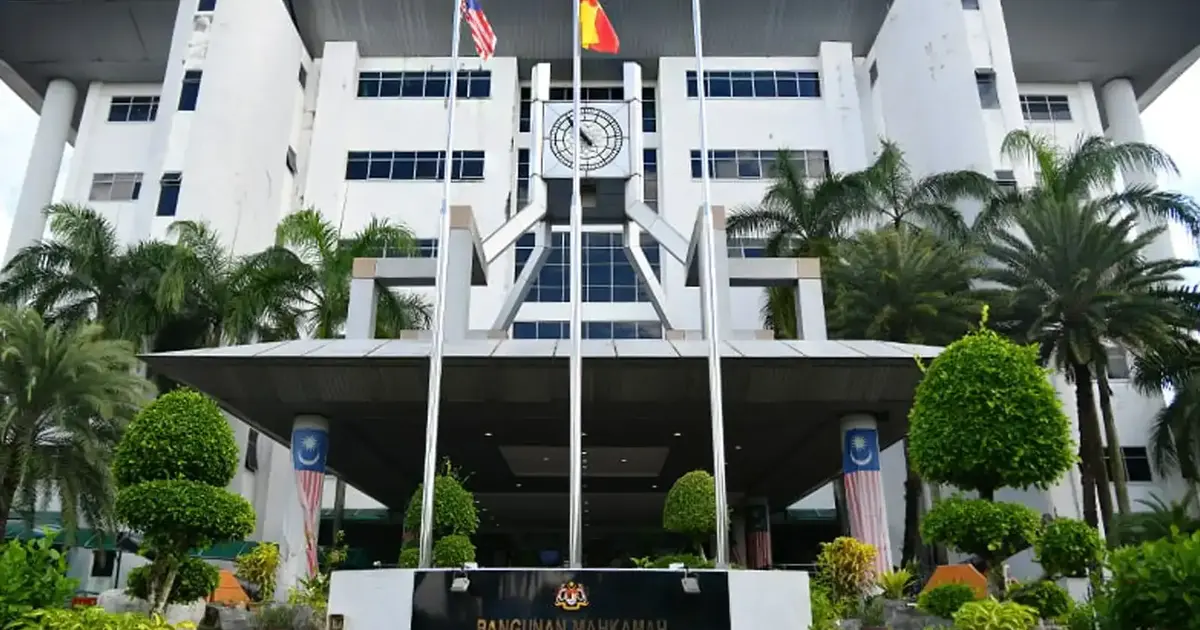
A Malaysian customs officer has entered a not guilty plea to charges that he accepted RM15,000 in cash as a bribe to abandon a probe into a suspect's activities. Fareez Akhmal Yusuf faces allegations stemming from an incident on June 29, when prosecutors say he received the payment from a 50-year-old individual in an apparent exchange for halting official investigations.
The case represents yet another instance of alleged misconduct within Malaysia's enforcement apparatus, drawing scrutiny to the integrity of agencies responsible for upholding customs regulations and protecting the nation's borders. Customs authorities have long been viewed as vulnerable to corruption given their direct control over trade flows and their discretion in determining penalties and enforcement actions. The allegations against Fareez Akhmal Yusuf underscore persistent vulnerabilities in institutional oversight and individual accountability within the department.
Cases involving public officers accused of accepting bribes carry particular significance in Malaysia's broader anti-corruption narrative. The Malaysian Anti-Corruption Commission has intensified efforts to investigate and prosecute corruption within government ranks, though critics argue enforcement remains inconsistent and reactive rather than preventative. This trial will likely be monitored closely by civil society organisations and transparency advocates who track corruption patterns within state institutions.
The specific allegation that Fareez Akhmal Yusuf agreed to terminate an investigation in exchange for cash represents a fundamental betrayal of public trust. Customs investigations typically address serious matters ranging from smuggling operations to regulatory violations with direct implications for national security and economic integrity. When officers are accused of abandoning such inquiries for personal gain, the consequences extend beyond the immediate case, potentially undermining legitimate enforcement efforts and emboldening future violations.
The RM15,000 amount, while perhaps modest in absolute terms, carries symbolic weight in corruption prosecutions. The sum suggests a calculated transaction rather than an impulsive act, implying potential premeditation and deliberate breach of official duty. Prosecutors will likely emphasise this element to demonstrate systematic corruption rather than isolated misconduct.
This prosecution also reflects the Malaysian judiciary's evolving approach to corruption cases involving mid-level civil servants. Previous years have witnessed mixed results in holding public officers accountable, with some prosecutions proceeding smoothly while others faced procedural challenges or lengthy delays. The manner in which this case progresses will provide insight into current judicial efficiency and prosecutorial capacity in corruption matters.
For the customs service specifically, the trial arrives at a time when the department has been implementing various reform initiatives aimed at modernising operations and reducing opportunities for graft. Enhanced digital systems, improved transparency measures, and stricter disciplinary procedures have been introduced across Malaysian customs operations. However, technological upgrades and policy reforms can only succeed when accompanied by consistent enforcement and cultural shift among personnel.
The alleged incident also raises questions about supervisory oversight and internal controls within the customs division where Fareez Akhmal Yusuf operated. How did the suspicious transaction become detected? What preventative measures should have been in place to deter such conduct? These inquiries will inform whether systemic weaknesses enabled the alleged breach or whether the officer acted despite adequate controls.
From a regional perspective, customs corruption in Malaysia carries implications for Southeast Asian trade and security cooperation. The Association of Southeast Asian Nations emphasises customs modernisation and mutual recognition agreements among member states. If Malaysian customs officers are perceived as vulnerable to corruption, this could undermine confidence in cross-border processes and complicate legitimate regional commerce. Thailand, Vietnam, Indonesia, and other neighbouring nations coordinate increasingly on supply chain security and trade facilitation, making institutional integrity crucial.
The trial's outcome will send important signals regarding Malaysia's commitment to maintaining professional standards within enforcement agencies. A conviction would reinforce the state's willingness to prosecute public officers regardless of rank, while an acquittal might suggest evidentiary challenges or procedural difficulties prosecutors encounter when pursuing such cases. Either result will influence perceptions among both customs personnel and the business community regarding the consequences of misconduct.
Stakeholders will watch whether Fareez Akhmal Yusuf receives legal representation arguments centre on entrapment, insufficient evidence, or procedural irregularities. Such defences are common in corruption trials and require careful judicial consideration. The specificity of the June 29 date and the precise cash amount suggest a detailed investigation, though defence counsels typically challenge the reliability of testimony and investigative methods.
Beyond this individual case, the prosecution reflects broader efforts within Malaysia's anti-corruption framework to demonstrate that no sector or rank is immune from scrutiny. The Malaysian Anti-Corruption Commission's increased activity over recent years, whilst sometimes controversial, has maintained pressure on potentially corrupt officials. Public agencies, including customs, have become more aware that misconduct carries genuine legal consequences.
As the trial proceeds, observers will pay particular attention to how prosecution evidence establishes both the payment's receipt and the alleged quid pro quo arrangement. Proving intent—that the cash specifically motivated the investigation's termination—presents prosecutorial complexity. Clear testimony, documentary evidence, or credible witness corroboration will be essential. The case ultimately reflects ongoing tensions between institutional reform and individual behaviour within Malaysia's public service, with implications extending across Southeast Asian customs cooperation and regional security collaboration.

