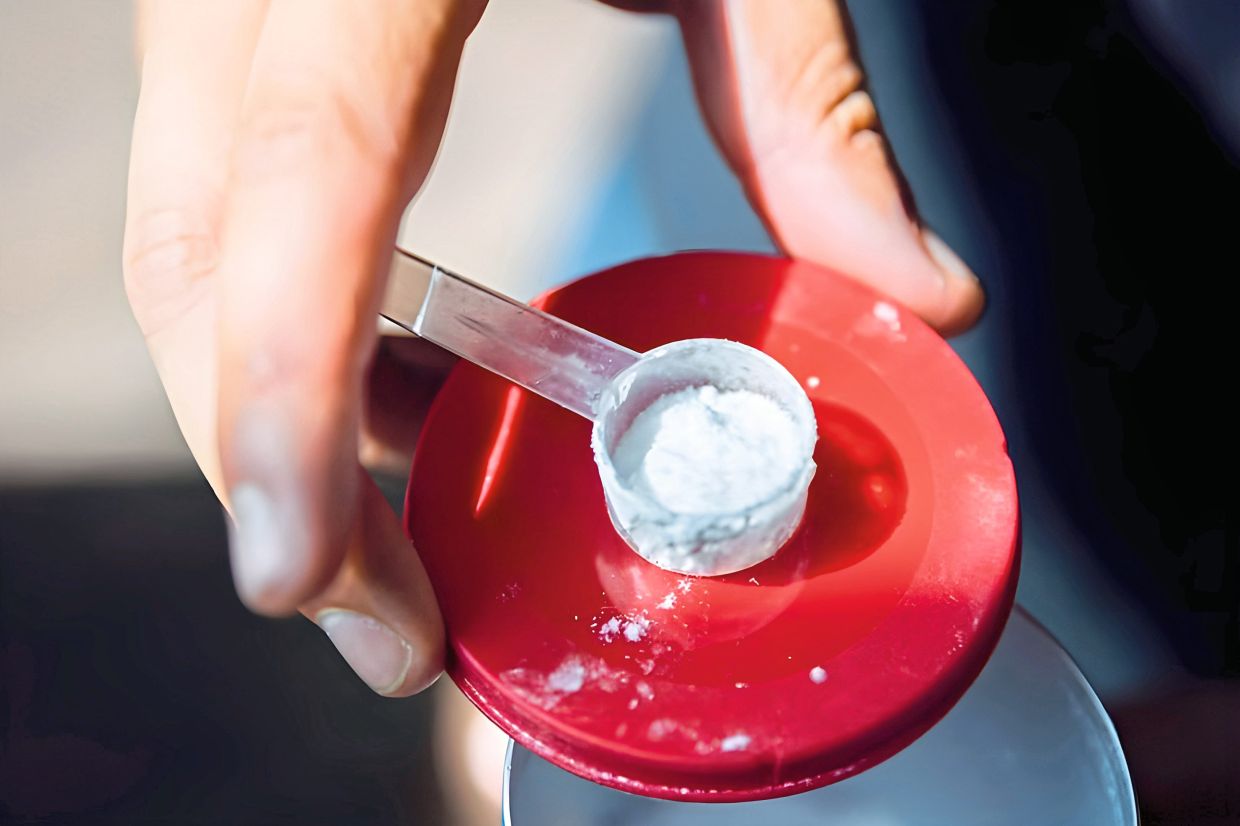
Fitness enthusiasts and athletes across Malaysia and the region have long debated whether creatine, one of the world's most popular performance supplements, carries a hidden cost to hair health. The persistent worry that supplementing with creatine leads to baldness has deterred countless gym-goers from using a compound with strong scientific support for building muscle and strength. Recent rigorous research, however, provides definitive answers that should put anxious minds at ease and allow people to make supplement choices based on evidence rather than fear.
The origin of this concern traces back to a solitary 2009 study that, while published in a reputable venue, never actually measured what everyone worried about. Researchers found that creatine supplementation appeared to increase the conversion of testosterone to DHT (dihydrotestosterone), a hormone implicated in male pattern baldness. However, the authors merely observed this hormonal shift in blood samples and explicitly called for further investigation. Crucially, none of the study participants reported any actual hair loss, and the researchers took no measurements of follicle health or hair density. Despite these significant limitations, the finding spread rapidly through fitness communities and online forums, transforming a speculative observation into a widely accepted fact that discouraged millions from using creatine.
For over fifteen years, this single study shaped purchasing decisions and training choices, even as the broader scientific literature moved decisively away from supporting a link between creatine use and hair loss. The rumour persisted partly because DHT is genuinely associated with androgenetic alopecia in genetically predisposed individuals, making the theoretical concern seem plausible. This plausibility gave the myth staying power despite the absence of any direct evidence. Fitness supplement companies faced constant questions from concerned consumers, and researchers recognised a clear gap in the scientific record that needed addressing through rigorous, purpose-designed investigation.
A 2025 randomised controlled trial finally conducted the direct test that had been missing for over a decade. Scientists recruited 45 resistance-trained men between 18 and 40 years old, randomly dividing them into two groups. One group consumed 5 grams of creatine monohydrate daily while the other received an identical 5-gram dose of maltodextrin as a placebo. Both groups maintained their normal diets and exercise routines, ensuring that any observed changes could be attributed to the supplement itself rather than confounding variables. This straightforward design mirrors best practices in supplement research and eliminated the methodological weaknesses that plagued the earlier 2009 study.
The researchers employed multiple sophisticated techniques to measure hair health objectively. Blood samples collected at baseline and again after 12 weeks quantified total testosterone, free testosterone, and DHT levels with precision. Hair follicle health underwent assessment using the Trichogram test, a gold-standard method for evaluating hair growth phases, alongside the FotoFinder imaging system that tracks hair density, the count of individual follicular units, and cumulative hair thickness. These measurements represent exactly what the 2009 study failed to obtain, allowing researchers to directly observe whether creatine supplementation affected hair growth or follicle function.
The findings delivered a resounding answer to 15 years of speculation. Among the 38 participants who completed the full protocol, researchers detected no significant differences between the creatine and placebo groups in DHT levels, the ratio of DHT to testosterone, or any measured aspect of hair growth. Hair density remained unchanged, follicular unit counts showed no variation, and cumulative hair thickness stayed constant across both groups. The researchers concluded they had produced the first study to directly assess hair follicle health following creatine supplementation, providing what they characterised as strong evidence against the claim that creatine contributes to hair loss.
Expert commentary reinforces the robustness of these findings. Jose Antonio, an exercise physiologist at Nova Southeastern University in Florida, emphasised that creatine possesses more supporting scientific evidence than virtually any other food or dietary supplement on the market. Registered dietitian Kate Patton acknowledged that while concerned individuals can discuss their specific health circumstances with doctors, no conclusive evidence suggests that creatine increases testosterone or causes hair loss. This expert consensus reflects decades of accumulated research beyond the single 2009 study that sparked the original concern, demonstrating how scientific understanding has advanced substantially.
For those considering adding creatine to their supplement regimen, practical implementation tips can optimise results while minimising unnecessary concern. Water weight gain represents a normal and expected early response, with most people accumulating two to four pounds of fluid retention during the first week as muscles absorb water and creatine phosphate accumulates in muscle tissue. This temporary weight increase should not cause alarm, as it reflects improved cellular hydration rather than fat gain. Nutrition experts recommend selecting creatine monohydrate as the primary form of the supplement, as it remains the most extensively studied variant and the most cost-effective option for most users.
Creatine's effectiveness depends fundamentally on pairing supplementation with consistent resistance training. The compound simply provides the substrate for ATP regeneration during high-intensity muscle contractions, so sedentary individuals who consume creatine without exercising will observe no benefits whatsoever. The supplement contains zero calories and exerts no direct impact on fat metabolism, making it neither harmful nor helpful without the training stimulus that creates demand for increased phosphocreatine availability within muscle cells. This mechanism explains why creatine has achieved widespread validation among serious athletes and strength-focused trainers across diverse sports.
For Malaysian readers considering fitness supplements, this research demonstrates how rumours can persist in the absence of proper scientific investigation, and how rigorous studies ultimately overturn unfounded concerns. The fitness industry, like many wellness sectors, sometimes spreads claims faster than evidence can either confirm or refute them. This particular myth cost many people years of missed training benefits and deprived them of one of the few supplements with genuinely robust scientific support across numerous peer-reviewed studies. Moving forward, consumers can approach creatine with confidence that the evidence strongly favours its safety and efficacy, while remaining appropriately cautious about other supplement claims that lack similarly comprehensive investigation.
The broader lesson extends beyond creatine itself. Fitness and health decisions across Southeast Asia are often influenced by viral claims, celebrity endorsements, and community beliefs rather than evidence-based information. As supplement use becomes increasingly common among Malaysian gym-goers and athletes, distinguishing between genuine scientific findings and perpetuated myths becomes ever more important. This study exemplifies how patient, methodical research eventually resolves even the most persistent public health questions, provided researchers ask the right questions and employ appropriate study designs.

