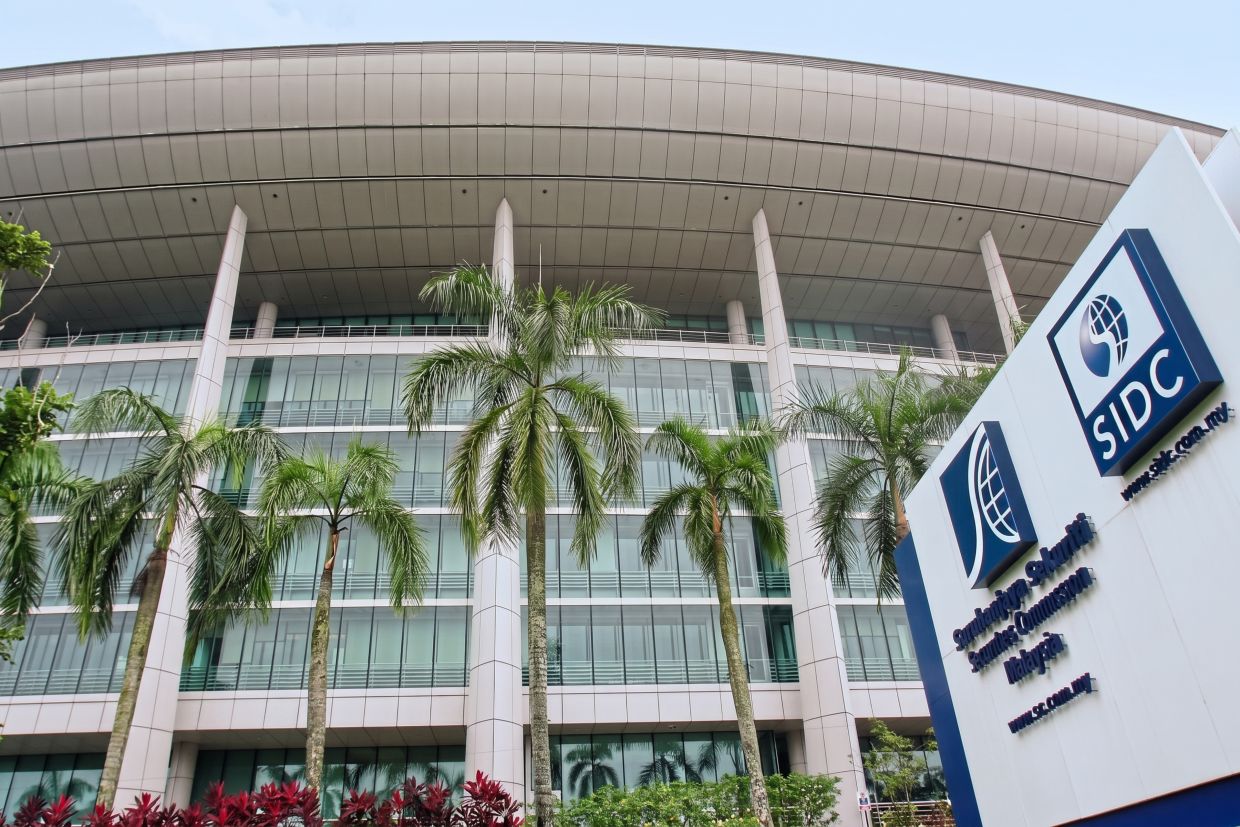
Malaysia's Court of Appeal has delivered a decisive victory for the Securities Commission in a significant insider trading case, unanimously affirming the 2022 High Court judgment that found former WCT Bhd deputy managing director Goh Chin Liong and Ara Holdings Sdn Bhd director Leong Ah Chai liable for breaching the Capital Markets and Services Act 2007. The appellate court dismissed both defendants' appeals without identifying any legal errors that would justify overturning the lower court's findings, underscoring the strength of the Securities Commission's case and the soundness of the original judicial reasoning.
The judgment represents a landmark moment in Malaysia's effort to strengthen corporate governance standards and protect retail investors from unfair market practices. Both appellants were ordered to pay the Securities Commission a combined RM5.83 million in damages, reflecting the regulatory body's determination to pursue comprehensive remedies in securities law violations. The Court of Appeal's decision to uphold these financial penalties, coupled with dismissing both appeals and ordering each defendant to pay RM100,000 in costs, sends an unambiguous signal about the judiciary's commitment to policing capital market misconduct.
At the heart of the case lay a breach of trust involving sensitive corporate information. Evidence presented during the trial established that Goh, leveraging his position within WCT, disclosed material non-public information to Leong regarding the cancellation of a significant construction contract for a proposed racecourse development in Dubai, United Arab Emirates. This contract had originally been awarded to a joint-venture partnership involving WCT and Arabtec Construction LLC, making the cancellation information of considerable commercial importance.
Following receipt of this confidential information, Leong acted with apparent deliberation to profit from knowledge unavailable to the broader investing public. Between January 2 and 5, 2009, Leong disposed of 1.64 million WCT shares held in Ara Holdings' trading account, timing the sales to avoid losses that would have crystallised had the market subsequently learned of the contract cancellation through normal disclosure channels. This sequence of events formed the prosecution's core narrative, demonstrating how insider knowledge translated into improper financial gain.
The Securities Commission initiated its civil enforcement action in 2015, more than six years after the alleged misconduct occurred, illustrating how resource-intensive complex securities investigations can be and the challenges regulators face in reconstructing historical trading patterns and information flows. The decision to pursue civil rather than criminal remedies allowed the commission to operate under the lower civil standard of proof, though the courts' findings clearly satisfied even rigorous evidentiary requirements.
Beyond the disgorgement orders requiring each defendant to repay RM2.5 million representing avoided losses, the Court of Appeal confirmed additional penalties of RM300,000 per defendant and RM75,000 in costs to the Securities Commission. These layered financial consequences reflect a judicial philosophy that insider trading violations warrant multifaceted sanctions encompassing restitution, punitive damages, and cost recovery to ensure wrongdoers bear the full financial consequences of their misconduct.
A significant procedural development occurred on May 26, 2026, when the Securities Commission successfully appealed a High Court decision to reinstate garnishee orders against the defendants. This garnishee mechanism provides the regulatory body with powerful enforcement tools to recover the judgment sum by attaching the defendants' assets and intercepting their bank transfers, removing reliance on voluntary compliance. The availability of such enforcement machinery is crucial to rendering judicial victories meaningful, as damages awards prove worthless unless collection mechanisms prove effective.
For Malaysia's investor community, this judgment carries reassuring implications about the strength of market oversight mechanisms. The Securities Commission's willingness to pursue cases across multiple judicial levels, sustained over many years, demonstrates institutional commitment to policing capital market integrity. Retail investors depend on reasonable confidence that trading occurs within a framework where material information remains protected from strategic exploitation by corporate insiders and their associates, and successful enforcement actions reinforce this foundational market assumption.
The case also illuminates the interconnected nature of corporate governance failures and capital market misconduct. Goh's breach of his fiduciary duty to WCT, by disclosing confidential information outside proper authorization, cascaded into broader securities law violations affecting market integrity. This pattern reflects how internal governance breakdowns at individual companies can undermine systemic market health, justifying the Securities Commission's comprehensive enforcement approach.
Regional investor confidence in Southeast Asian capital markets remains sensitive to perceptions of regulatory effectiveness and judicial impartiality in addressing white-collar misconduct. The Court of Appeal's unanimous decision, delivered without dissenting views, provides international market participants with confidence that Malaysia's legal institutions take securities violations seriously and apply consistent standards regardless of defendants' corporate stature or financial resources. This sends reassuring signals to foreign institutional investors considering participation in Malaysian markets.
Moving forward, the Securities Commission has indicated it will pursue additional enforcement steps to recover the RM5.83 million judgment sum from the defendants. The reinstatement of garnishee orders provides practical mechanisms for this recovery, though actual collection may encounter obstacles if the defendants' assets have been dispersed or protected through corporate restructuring. The commission's public commitment to enforcement demonstrates its resolve to transform court victories into tangible consequences for wrongdoers.
The judgment arrives amid broader global emphasis on strengthening insider trading enforcement, following similar high-profile cases across developed financial markets. Malaysia's demonstrated capacity to investigate, prosecute successfully, and enforce judgments in complex securities cases positions the nation competitively within the international regulatory landscape. As emerging markets compete for sophisticated foreign capital, demonstrable commitment to protecting investors through vigorous enforcement of securities laws becomes an increasingly important competitive advantage.
Looking forward, this decision will likely inform future insider trading investigations and enforcement strategies across the Securities Commission, potentially emboldening regulators to pursue cases involving indirect information transfer mechanisms and sophisticated trading arrangements. The judicial affirmation that material non-public information communication combined with suspicious trading timing constitutes actionable insider trading provides regulatory clarity for market participants and enforcement authorities alike, establishing precedent that Malaysian courts interpret insider trading prohibitions expansively to protect market integrity.

