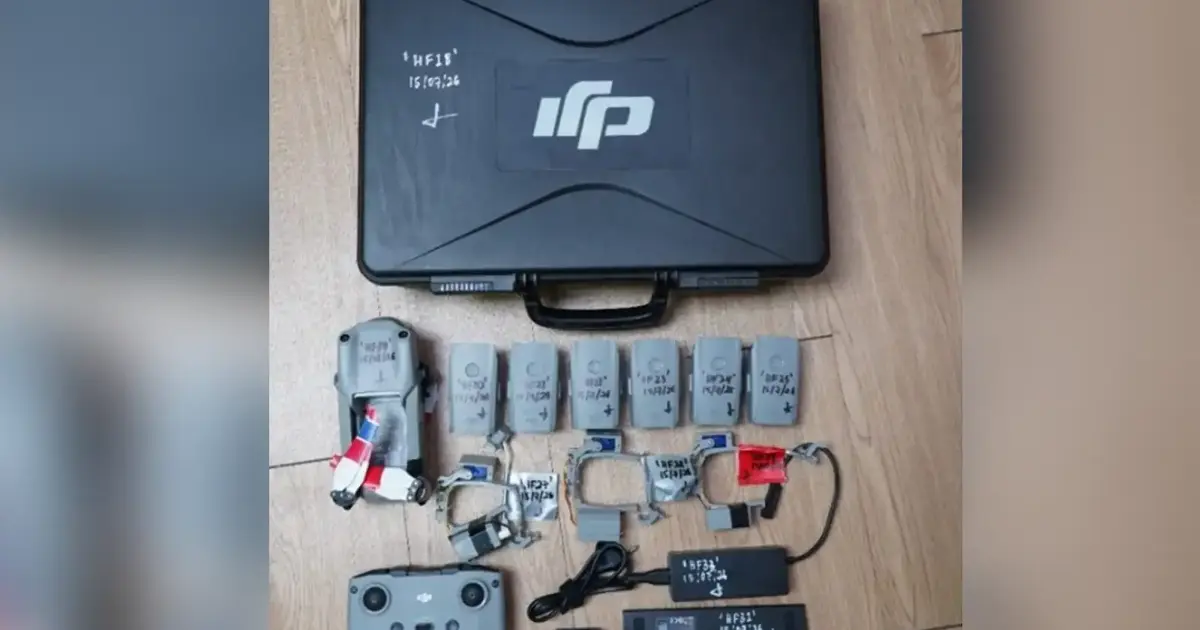
A man and woman have been taken into custody by Melaka police following an attempt to deliver tobacco into Melaka prison using an unmanned aerial vehicle, marking another incident in an ongoing struggle against contraband operations at Malaysian correctional facilities. The Melaka police chief revealed that investigators believe the couple acted in concert with at least one prisoner inside the institution, suggesting the smuggling effort was coordinated between external accomplices and individuals confined within the walls.
The use of drones to circumvent prison security has emerged as a significant operational challenge for Malaysia's correctional authorities. Unlike traditional smuggling methods that depend on visitors, staff, or supply chain vulnerabilities, drone operations can deliver contraband with minimal physical interaction at entry points. Tobacco products are among the most frequently targeted items in prison smuggling networks, commanding premium prices within correctional facilities due to strict prohibitions and limited access.
The incident underscores persistent vulnerabilities in prison security infrastructure across Malaysia. While correctional facilities have implemented various countermeasures against drones, including surveillance systems and restricted airspace protocols, the relative ease of deploying such technology from public areas surrounding prison compounds continues to present enforcement challenges. This case demonstrates that determined smuggling networks are adapting their tactics to exploit technological capabilities that traditional security protocols were not originally designed to counter.
Melaka prison, situated in Malaysia's historic southwestern state, houses a substantial inmate population and operates under standard security classifications. The facility has previously faced isolated incidents of contraband introduction, though systematic documentation of drone-based attempts remains limited in public records. The involvement of inmates in coordinating external deliveries suggests an organized network rather than an opportunistic act, raising questions about communication channels and coordination methods employed within the facility.
The connection between internal and external participants in this smuggling network indicates a more sophisticated operation than spontaneous contraband activity. Inmates maintaining contact with associates outside prison walls, whether through authorised communication channels or unauthorised methods, can identify market opportunities and direct supplies that command high value within the confined economy of correctional institutions. This organized dimension complicates prevention efforts, as authorities must target both delivery mechanisms and internal demand networks.
Tobacco smuggling into prisons reflects broader illicit trafficking patterns observed throughout Southeast Asia and globally. Prison-based black markets for restricted substances and products generate substantial profits for organized criminal networks. The premium pricing of contraband within correctional facilities—often several times higher than street values—creates powerful financial incentives for smuggling operations. Tobacco, not subject to the same regulatory severity as narcotic substances, nonetheless generates consistent demand and significant revenue for smuggling enterprises.
The use of drone technology for contraband delivery represents an evolution in prison smuggling tactics. Drones offer advantages including remote operation, difficulty in interception, and minimal risk to personnel conducting the delivery. Malaysian authorities have increasingly reported drone-related incidents at correctional facilities, prompting investment in detection and countermeasure systems. However, the rapid advancement and accessibility of commercial drone technology means security measures require constant updating and augmentation.
The arrest of the couple signals heightened enforcement attention to drone-based smuggling operations. Successful prosecutions serve as deterrents and may disrupt specific smuggling networks, though they address symptoms rather than underlying vulnerabilities. Authorities investigating the incident will likely trace communication records, financial transactions, and additional potential participants within and outside the prison system. Such investigations often reveal broader networks extending beyond the initial suspects.
Correctional administrators throughout Malaysia face the dual challenge of maintaining facility security while managing legitimate operations involving visitors, deliveries, and staff movement. Comprehensive anti-smuggling strategies require coordination between prison authorities, local police, and specialized intelligence units. Technological solutions including drone detection systems, signal jamming capabilities, and enhanced monitoring provide supplementary protections but cannot entirely eliminate vulnerabilities in systems necessarily designed to permit controlled human access.
The incident also highlights the persistent demand within correctional populations for products unavailable through authorized channels. Understanding the underlying drivers of contraband markets—whether addressing genuine unmet needs, economic disparities between inmate populations, or organized criminal exploitation—could inform longer-term security policy. Some correctional systems have experimented with expanded canteen privileges or revised regulations regarding permitted items, though such approaches remain controversial within security-focused institutional cultures.
For Malaysian policymakers and correctional authorities, the case reinforces the necessity for proactive engagement with emerging security threats. Budget allocations for detection technology, staff training, and intelligence gathering remain critical. Equally important is addressing systemic factors that sustain demand for smuggled goods and create receptivity among inmates for collaborating with external smuggling networks. The balance between security restrictions and humane correctional practices remains a persistent tension in contemporary prison management.
As investigations proceed, authorities will likely identify additional details about the smuggling operation's scope, duration, and intended distribution network within the prison. The case contributes to accumulating evidence that Malaysian correctional facilities require sustained investment in security modernization. Continued cooperation between prison administrators, law enforcement agencies, and technology specialists will shape the effectiveness of preventive measures against increasingly sophisticated contraband delivery methods.

