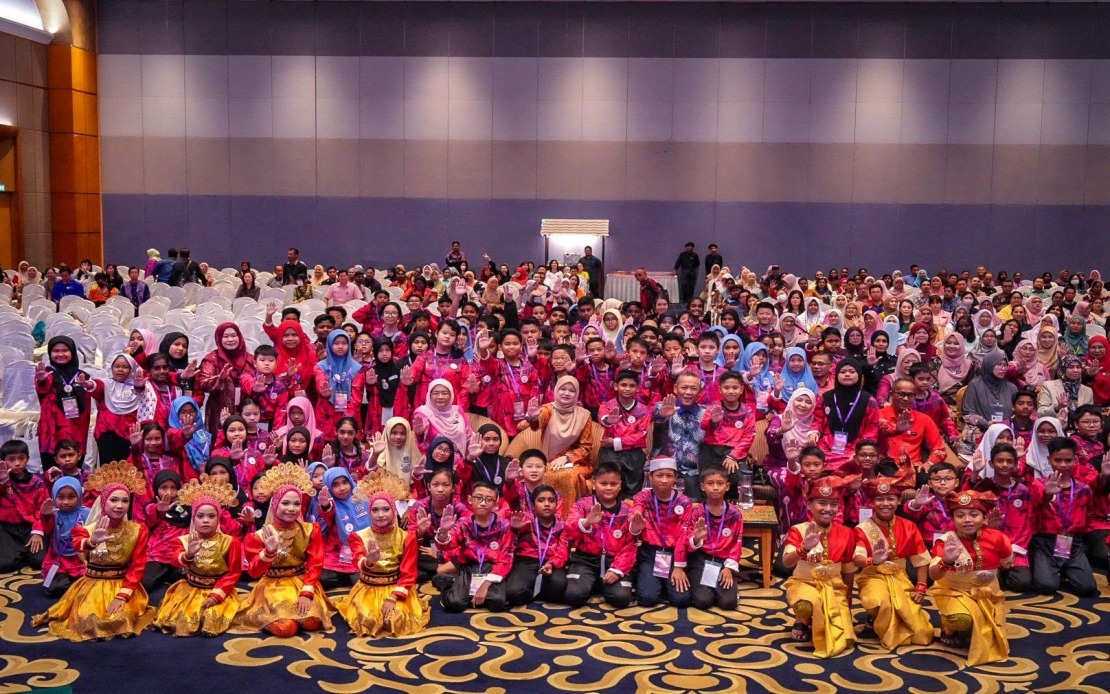
Growing concerns over student safety in Malaysian schools have prompted Education Minister Fadhlina Sidek to call for a systematic and unified response from all stakeholders. Speaking at the Mutiara Diri Programme, Fadhlina underscored that the mounting complexity of school safety issues cannot be tackled through isolated measures or piecemeal efforts, but requires a holistic strategy commanding the commitment and participation of educators, parents, government agencies, and community leaders alike.
The minister's intervention comes at a time when Malaysian schools face multifaceted challenges ranging from physical security to emotional wellbeing of students. Fadhlina emphasised that her immediate objective is to restore and strengthen public confidence that every child within the education system enjoys comprehensive protection. This reassurance is particularly important for parents who entrust their children to schools for significant portions of each day, and whose confidence in institutional safety directly influences enrollment and school participation rates.
A cornerstone of Fadhlina's approach involves strict adherence to established safety guidelines and child protection frameworks across all educational institutions under the Ministry of Education's purview. These policies, she stressed, must serve as binding standards rather than aspirational documents. Compliance across the sprawling education system—which encompasses thousands of schools nationwide—requires robust oversight mechanisms, regular audits, and accountability structures that ensure no institution operates outside these protective parameters.
Crucially, Fadhlina articulated that there can be absolutely no compromise or negotiation on matters affecting either the physical or emotional safety of children. This unequivocal stance signals zero tolerance for incidents of violence, harassment, bullying, or abuse within school grounds. The statement reflects growing recognition that safe schools extend beyond preventing external threats; they must also address internal dynamics that can damage student wellbeing.
The minister also highlighted the importance of mental health support within schools, recognising that psychological and emotional wellbeing forms an integral component of overall student safety. Malaysian schools, like institutions across Southeast Asia, increasingly grapple with anxiety, depression, and stress-related issues among students. Addressing these mental health dimensions requires trained counsellors, accessible support services, and a school culture that encourages students to seek help without stigma.
Fadhlina's call to parents and educators present at the Mutiara Diri Programme represented more than ceremonial remarks; it constituted a direct appeal for collaborative action. By explicitly requesting joint enhancement of synergy between home and school environments, the minister acknowledged that safety cannot be constructed by educational institutions in isolation. Parents must reinforce safety messages at home, monitor their children's wellbeing, and maintain open communication channels with schools about any concerns.
The presence of Negeri Sembilan Menteri Besar Datuk Seri Aminuddin Harun at the programme underscored that school safety transcends ministry-level concerns and commands attention from state-level leadership. This multi-level governmental engagement signals that addressing student safety requires coordination across different tiers of administration and a recognition that no single entity possesses sufficient resources or authority to manage the challenge alone.
Fadhlina's framing of the Mutiara Diri Programme as a significant advocacy initiative rather than routine programming suggests recognition that awareness and attitude change among stakeholders constitute prerequisites for systemic improvement. Such advocacy efforts are essential in Malaysia's diverse educational landscape, where schools operate under varying resource constraints and face different contextual challenges depending on geographic location, socioeconomic status of student populations, and local security environments.
The emphasis on creating an environment that is simultaneously safe, dignified, and prosperous reflects a comprehensive vision of school ecosystems. Safety alone—defined narrowly as absence of physical threat—proves insufficient if students remain in environments lacking dignity or opportunity. This broader conception requires schools to address not only security infrastructure but also the quality of student-teacher relationships, inclusive practices, and equitable access to educational resources.
For Malaysian parents and educators, the minister's statements establish clear expectations regarding institutional and individual responsibilities. Schools must implement and enforce safety protocols rigorously. Parents must engage actively with these initiatives and support school efforts. Educators must balance protective measures with creating learning environments that do not feel oppressive or militaristic. This balance, though conceptually simple, proves challenging in practice and requires ongoing dialogue and refinement.
The challenge ahead involves translating these policy commitments into measurable improvements in student experiences and safety outcomes. Malaysian schools will need adequate funding for security infrastructure, mental health professionals, and training programmes. They will require clear reporting mechanisms for safety concerns and assurance that staff raising such issues face no retaliation. Parents need transparent communication about incidents and institutional responses.
As Malaysia navigates intensifying pressures on its education system, Fadhlina's emphasis on strategic, comprehensive approaches to student safety reflects understanding that quick fixes or symbolic gestures cannot address the structural and cultural dimensions of this challenge. Creating genuinely safe schools demands sustained commitment, adequate resources, regular evaluation, and willingness from all parties to acknowledge problems and adapt approaches based on evidence and student feedback.

