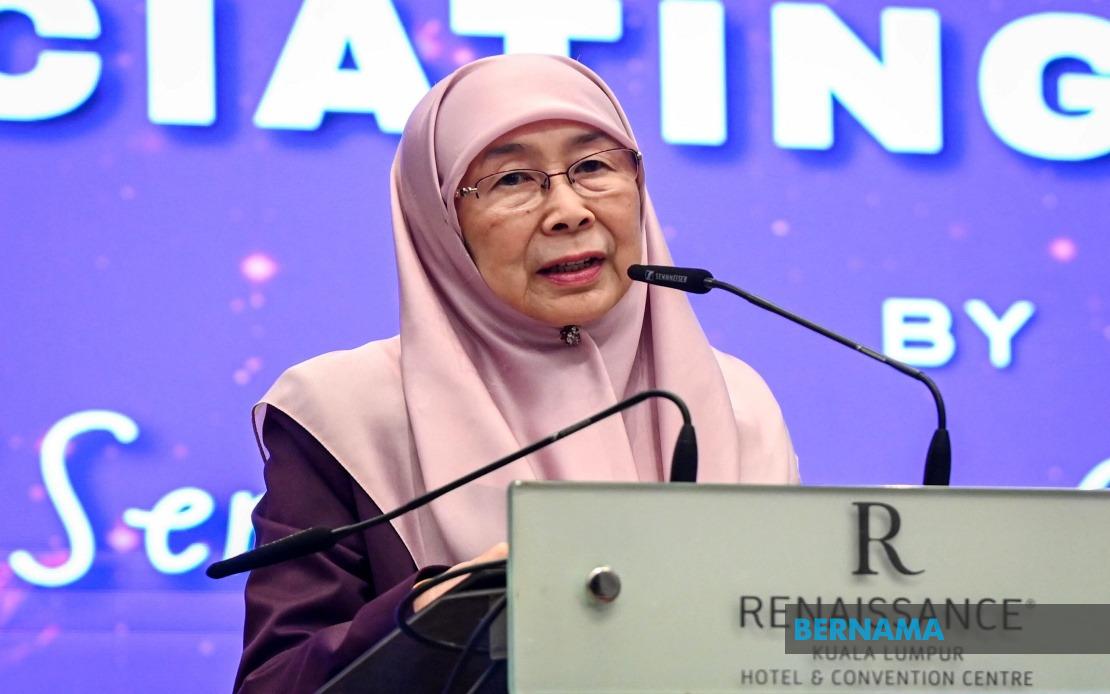
Datuk Seri Dr Wan Azizah Wan Ismail has emphasised that healthcare delivery must place patients at its centre, with technological advancement in maternal care balanced by genuine compassion and the irreplaceable human element. Speaking at the launch of the 16th Malaysian Obstetric Anaesthesiology Symposium (MyOASym) 2026 in Kuala Lumpur, the Prime Minister's wife articulated a vision of healthcare excellence that transcends purely clinical metrics, instead encompassing the emotional and psychological wellbeing of expectant mothers and their families during what remains one of life's most transformative experiences.
Clinical success, while undoubtedly important, represents only part of the equation when assessing the quality of maternal healthcare delivery. Wan Azizah highlighted that true excellence must also account for the respect, dignity and emotional scaffolding that healthcare systems provide to mothers and their families throughout the pregnancy and childbirth journey. This holistic approach recognises that women navigating maternal care are not merely clinical cases to be managed, but individuals deserving of compassionate attention and psychological support at every stage of their medical experience.
The integration of technological innovation with human empathy presents an ongoing challenge for modern healthcare systems. Wan Azizah cautioned that advancement in medical science and treatment protocols, while offering tremendous benefits, cannot be permitted to overshadow the foundational requirement for genuine human connection between healthcare providers and patients. The technological capabilities that contemporary obstetrics and anaesthesiology now afford must operate in concert with the listening skills, emotional intelligence and personal warmth that patients fundamentally require.
Maternal healthcare in Malaysia increasingly confronts complex clinical scenarios that were less prevalent in previous generations. The population of mothers bearing children at more advanced ages has grown substantially, while the prevalence of obesity and associated metabolic complications has risen significantly across demographic groups. Additionally, pregnant women presenting with intricate cardiac conditions and an elevated risk of obstetric haemorrhage demands enhanced clinical expertise and sophisticated management protocols. These evolving challenges necessitate healthcare professionals equipped not only with cutting-edge technical knowledge but also with the capacity to collaborate seamlessly across specialties.
Addressing this mounting complexity requires a structural shift towards robust multidisciplinary collaboration rather than the siloed approach that often characterises hospital practice. Wan Azizah advocated strongly for the systematic implementation of regular simulation training exercises that bring together anaesthesiologists, obstetricians and neonatologists in structured practice scenarios. These simulation-based interventions enable teams to rehearse high-risk situations, establish clear communication protocols and develop the muscle memory necessary to respond effectively when actual emergencies arise in clinical settings.
The cultivation of robust early warning systems represents another critical component of the safety infrastructure that institutions must establish. When coupled with a workplace culture that privileges transparent communication and encourages team members to voice concerns without fear of reprisal, such systems can transform potentially catastrophic situations into stories of successful intervention and maternal and neonatal survival. Wan Azizah stressed that the compartmentalised working patterns that sometimes characterise hospital departments undermine this objective, necessitating a conscious and deliberate shift towards integrated teamwork.
The development of healthcare professionals extends beyond the acquisition of clinical competencies. Wan Azizah counselled younger practitioners in obstetric anaesthesiology and allied specialties to maintain intellectual curiosity and embrace lifelong learning as a career-long commitment rather than an initial training phase. She encouraged them to seek mentorship from experienced colleagues, to question their assumptions and those of their supervisors respectfully, and to extract maximum educational value from each clinical encounter they experience. Alongside the refinement of technical skills, the cultivation of empathy and genuine concern for patient welfare represents an equally important dimension of professional development.
The MyOASym 2026 symposium has attracted healthcare professionals not only from throughout Malaysia but also from Singapore, Hong Kong and Pakistan, reflecting the regional significance of advancing standards in obstetric anaesthesia practice. This transnational participation creates opportunities for knowledge exchange, the sharing of best practices and the development of professional networks that strengthen the quality of maternal care across Southeast Asia and beyond. The regional character of the gathering underscores that challenges in maternal health transcend national borders, as do innovations and solutions that address them.
Wan Azizah's remarks arrive during a period when healthcare systems across Southeast Asia grapple with demographic shifts, rising disease complexity and resource constraints that collectively demand innovation in how care is delivered and organised. Malaysia's commitment to improving maternal outcomes through enhanced professional education and collaborative practice models positions the nation as a thought leader in regional maternal health policy. The emphasis on balancing technological advancement with compassionate care delivery offers a counterbalance to approaches that prioritise medical metrics at the expense of patient experience and dignity, establishing a model that other healthcare systems might usefully emulate.

