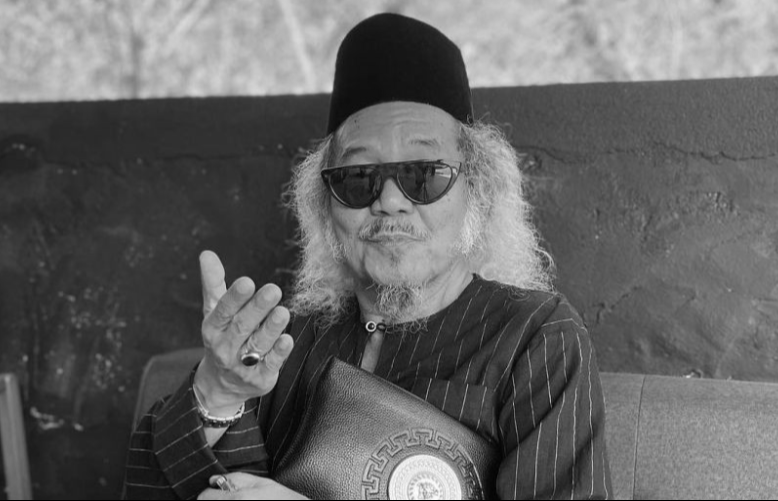
Kamarool Yusoff, the beloved Malaysian actor widely recognised by his stage name Cik Man, has died at the age of 68. The entertainment figure passed away on August 5 while undergoing treatment for heart complications at Tanah Merah Hospital, according to his 23-year-old son Ahmad Fakhrol Aliff. The news of his death was initially shared publicly through Facebook by comedian Mohammad Amirullah Azmi, known professionally as Amir Raja Lawak, who extended sympathies to the grieving family.
Cik Man's contribution to Malaysia's film industry spanned several decades, cementing his status as a recognisable figure in the nation's entertainment landscape. His most celebrated role came in 1986 when he portrayed Farouk, the menacing leader of the Gagak Hitam gang, in a classic Malaysian film that became a cultural touchstone for audiences who grew up during that era. This particular performance remains his defining work, one that generations of Malaysian cinema enthusiasts continue to reference and recall with nostalgia. Beyond this iconic role, he maintained an active presence in the industry, demonstrating versatility through appearances in various productions including comedy films as recently as 2010.
Communications Minister Datuk Seri Fahmi Fadzil has publicly mourned the actor's passing, recognising his substantial contributions to Malaysia's arts and cultural landscape. In a Facebook tribute, Fahmi acknowledged that viewers of Malay cinema from the 1980s would particularly remember Cik Man's powerful and unforgettable characterisation as Farouk. The minister's statement underscores how individual performances can transcend their original context and become embedded in collective national memory, particularly among those who formed their cultural consciousness during that transformative period in Malaysian cinema.
Fahmi's tribute extended beyond mere acknowledgment of the actor's filmography. The minister emphasised that Cik Man was held in high regard not solely within the acting profession but among the broader Malaysian community invested in preserving and celebrating the nation's artistic heritage. This recognition reflects how respected figures in entertainment often become symbols of cultural identity and continuity. The minister expressed gratitude for the lasting memories Cik Man created through his work, framing his career as a meaningful contribution to Malaysia's creative industries and cultural foundations.
The circumstances surrounding his death provide insight into health challenges that have affected individuals across Malaysia. Cik Man's passing from heart-related complications aligns with broader patterns of cardiovascular health concerns in the region. At 68 years old, while beyond the immediate working years of most entertainers, he was not exceptionally elderly, suggesting that the condition that claimed his life may have been either relatively acute or progressive. The fact that he was receiving treatment at Tanah Merah Hospital at the time of his death indicates he had sought medical intervention, though ultimately unsuccessfully.
Cik Man's family has confirmed the details of his passing, with his son Ahmad Fakhrol Aliff providing information about the final moments. The actor breathed his last at 5:30 pm on August 5, marking the end of a life that spanned significant changes in Malaysian society and entertainment. The involvement of family members in confirming and sharing news of his death reflects both the personal nature of loss and the public interest in figures who have shaped national cultural memory.
The broader significance of Cik Man's death lies in what it represents for Malaysian cinema history and generational memory. The 1986 film in which he played Farouk occupies a special place in the canon of Malay cinema, exemplifying a particular era when Malaysian filmmakers were exploring themes of urban conflict and moral complexity with considerable boldness. Cik Man's portrayal of Farouk was instrumental in making that film resonate with audiences and ensuring its lasting impact across decades. His performance helped establish conventions within Malaysian cinema that would influence subsequent productions and creative approaches.
The outpouring of sentiment from public figures like Fahmi Fadzil demonstrates how entertainment professionals, even when their careers may have peaked years earlier, retain significance in the national consciousness. This reflects a healthy respect within Malaysian society for artistic contributions and cultural heritage. When someone who helped define an era passes away, it prompts reflection on how those contributions continue to shape cultural identity and collective experience. Fahmi's tribute, though brief, encapsulated this recognition of enduring value.
Looking forward, Cik Man's legacy will likely persist through the continued viewing and discussion of his major films among both older audiences who remember original theatrical releases and younger viewers discovering classic Malaysian cinema. The accessibility of films through various media platforms means that new generations can encounter his work and understand the context in which he made his mark. Educational and cultural institutions may increasingly recognise the importance of preserving and contextualising performances like his, ensuring that the history of Malaysian entertainment remains accessible and valued.
The actor's passing also serves as a reminder of the passage of time and generational change within Malaysia's entertainment industry. As figures from the formative decades of modern Malaysian cinema gradually depart, their contributions become enshrined in historical record and cultural memory. Tributes like those from Minister Fahmi help ensure that such figures are remembered not merely as names in credits but as meaningful contributors to the nation's artistic and cultural development. Through continued recognition and appreciation, the legacies of performers like Cik Man remain alive within Malaysian society.

