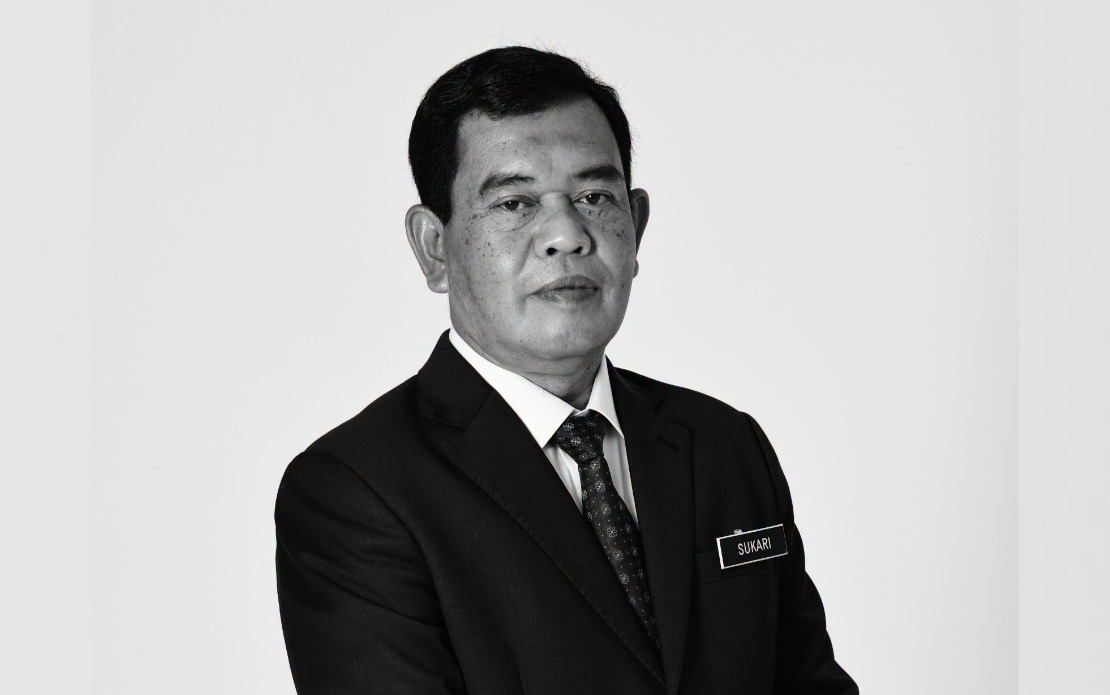
Communications Minister Datuk Seri Fahmi Fadzil has extended his condolences to the family of Datuk Mohd Sukari Ab Hamid, the former director-general of the Information Department, who passed away on August 3. The late Mohd Sukari, who was 65 years old, held significant influence over Malaysia's information apparatus during a critical period of institutional development and digital transformation.
In a statement released through social media, Fahmi reflected on his personal relationship with the departed civil servant, noting that Mohd Sukari was among the first individuals he engaged with upon assuming leadership of the Communications Ministry. This early connection proved formative for Fahmi's tenure, as Mohd Sukari became instrumental in facilitating the minister's understanding of departmental operations and establishing collaborative working relationships across the Information Department's divisions.
The minister emphasised the depth of their working partnership, describing Mohd Sukari as one of the most closely involved colleagues in executing his official responsibilities. This characterisation underscores the pivotal role that the director-general played in shaping policy implementation within the ministry during a period when Malaysia's communications landscape was undergoing significant modernisation and regulatory adjustment.
Fahmi's tribute extended beyond professional acknowledgement to reflect the emotional impact of the loss on the broader ministry ecosystem. He articulated that Mohd Sukari's departure resonates particularly deeply within the Information Department itself, where his three-year tenure as director-general fundamentally influenced departmental culture, institutional priorities, and strategic direction. The loss represents a departure of institutional memory accumulated through decades of service within Malaysia's public information framework.
Mohd Sukari's career trajectory illustrates the traditional pathway through Malaysia's civil service hierarchy. Appointed director-general on December 7, 2020, he led the Information Department through evolving challenges related to digital information dissemination, media regulation, and public communication strategy during a period marked by political transitions and shifting media landscapes. His leadership coincided with heightened national focus on combating misinformation and establishing coherent government communication protocols.
His tenure concluded on March 20, 2024, after completing the standard service period, making way for successive leadership in a department responsible for coordinating government messaging and information distribution across Malaysia's diverse media ecosystem. The timing of his retirement reflected natural progression within the civil service structure, yet the subsequent passage underscores the finite nature of public service careers and the cyclical nature of institutional leadership transitions.
The funeral arrangements reflected Islamic observance and local custom, with Mohd Sukari interred following Asar prayers at Sakinah Cemetery in Kampung Melayu, Kepong. This location, situated in Kuala Lumpur's established residential precinct, likely served as his final resting place proximate to his residence and family connections, with the afternoon prayer timing suggesting attendance by departmental colleagues and professional associates.
Fahmi's invocation of Islamic blessing in his condolence statement represents standard practice within Malaysian public discourse, where religious acknowledgement carries cultural and institutional significance. His prayer for divine forgiveness and mercy reflects the composite nature of Malaysian governance, where Islamic values integrate with secular administration and multicultural representation remains foundational to institutional legitimacy.
The passing of Mohd Sukari arrives amid broader transitions within Malaysia's government communications architecture, as the ministry continues adapting to evolving technological capabilities, social media penetration, and citizen expectations regarding government transparency and information accessibility. His retirement and subsequent passing represent a severing of continuity with previous institutional approaches, potentially creating space for recalibrated strategies aligned with contemporary information ecosystems.
For Malaysian observers tracking civil service succession patterns and institutional memory preservation, Mohd Sukari's departure exemplifies broader challenges facing government agencies as experienced administrators transition into retirement. The concentration of institutional knowledge within individual leaders creates vulnerability when vacancies occur, necessitating robust documentation and mentorship protocols to ensure continuity in departmental effectiveness and strategic execution.
Fahmi's public recognition of Mohd Sukari's contributions serves broader institutional purposes beyond personal tribute, signalling the ministry's commitment to acknowledging civil service dedication and legitimising the critical role played by permanent staff in sustaining government operations across political transitions. This acknowledgement reinforces the notion that effective governance depends fundamentally on professional bureaucrats maintaining institutional stability and executing policy consistently despite evolving political leadership.
The loss reverberates across Malaysia's information policy apparatus, particularly among those engaged in media relations, government communications strategy, and institutional development within the public information domain. As the ministry navigates succession planning and strategic recalibration, Mohd Sukari's legacy encompasses both his formal accomplishments and the relationships he cultivated with successive political leaders and departmental colleagues throughout his service tenure.

