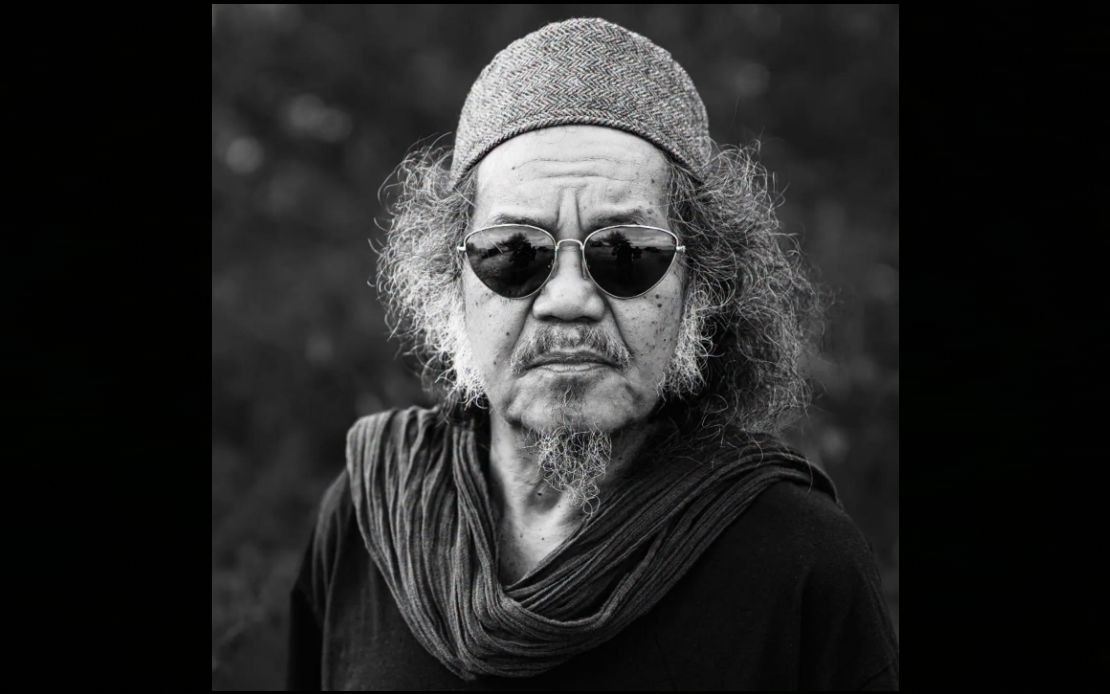
Communications Minister Datuk Seri Fahmi Fadzil has expressed deep condolences following the death of veteran actor Kamarool Yusoff, widely recognised by his stage name Cik Man. The respected performer passed away this evening, marking the end of a significant chapter in Malaysian entertainment history. Fahmi's tribute, shared via Facebook, acknowledged the profound impact Kamarool left on the nation's film industry and cultural landscape.
Kamarool's most celebrated contribution to Malaysian cinema came through his unforgettable portrayal of Farouk, the formidable leader of the "Gagak Hitam" gang, in the 1986 classic film that remains a touchstone of that era's popular entertainment. This role cemented his place in the collective memory of Malaysians who grew up during the 1980s, a golden period for Malay cinema when films served as cultural ambassadors and shaped national identity. The character of Farouk became emblematic of that decade's storytelling style, combining gritty realism with broader narrative appeal that resonated across social boundaries.
In his official statement, Fahmi reflected on Kamarool's standing within the creative community, emphasising that the veteran actor commanded respect far beyond the confines of the acting profession itself. Recognition of this kind underscores how certain entertainers transcend their immediate field to become guardians of cultural heritage. Kamarool's contributions extended into broader conversations about Malaysia's artistic evolution, making him a figure whose influence rippled through multiple generations of viewers and aspiring performers alike.
The minister's remarks highlighted the enduring significance of Kamarool's artistic legacy, particularly for those whose formative experiences were shaped by Malay films of the 1980s. This period represented a distinctive moment in Malaysian cinema when local productions commanded wide audiences and shaped popular discourse. The nostalgia surrounding his work reflects both the quality of performances from that era and the changing landscape of entertainment consumption over subsequent decades. For many Malaysians, revisiting these films provides connection to a particular cultural moment when cinema played a different social role than it does today.
Fahmi's tribute extended beyond celebration of specific roles, acknowledging instead the broader arc of Kamarool's service to Malaysia's arts ecosystem. The framing of his contributions as enriching the nation's creative landscape recognises that actors function as more than entertainment providers—they become cultural custodians whose work establishes benchmarks against which subsequent generations measure artistic achievement. Kamarool's body of work thus represents not merely individual accomplishments but a collective inheritance available to audiences seeking connection with Malaysia's recent artistic past.
The minister concluded his remarks with traditional Islamic prayers for the deceased, invoking blessings upon Kamarool's soul and asking forgiveness for his earthly transgressions. This spiritual dimension reflects how tributes in Malaysia often integrate religious observance with secular recognition of achievement, acknowledging both the individual's human dignity and their place within broader faith frameworks. The practice underscores Malaysian society's capacity to hold multiple registers of meaning simultaneously—honouring professional accomplishment while affirming spiritual dimensions of existence and mortality.
Kamarool's passing represents a moment for reflection on Malaysian cinema's evolution and the specific contributions that actors from earlier decades made toward establishing industry standards and audience expectations. The 1986 film featuring his Farouk character has retained cultural resonance precisely because it captured something essential about that moment in Malaysia's development, offering contemporary viewers windows into historical consciousness and popular imagination from four decades past. Such films serve as cultural documents, recording not merely story but also aesthetic choices, social values, and production capabilities that marked their era.
The recognition accorded to Kamarool by a sitting government minister signals official acknowledgment of cinema's importance within Malaysia's cultural framework. When political figures offer public tributes to entertainment professionals, they effectively validate the sector's contributions to national life beyond economic metrics. This gesture carries particular significance in contexts where creative industries sometimes face questions about their instrumental value, with Fahmi's remarks positioning artistic contribution as inherent to nation-building activities and collective memory formation.
For Malaysian audiences, Kamarool's legacy exists as multiple simultaneous phenomena: a body of filmed work available for ongoing viewing and reinterpretation, a historical record of particular aesthetic choices and narrative approaches, and a personal presence that shaped production cultures and influenced other performers. His death marks an opportunity for retrospective evaluation of his career's scope and significance, inviting both archival interest and fresh engagement with materials that may have receded from immediate public attention. Film societies, broadcasters, and cultural institutions might find renewed impetus to programme his work, ensuring that future generations encounter these performances not merely as historical documents but as living artistic statements capable of continued resonance.

