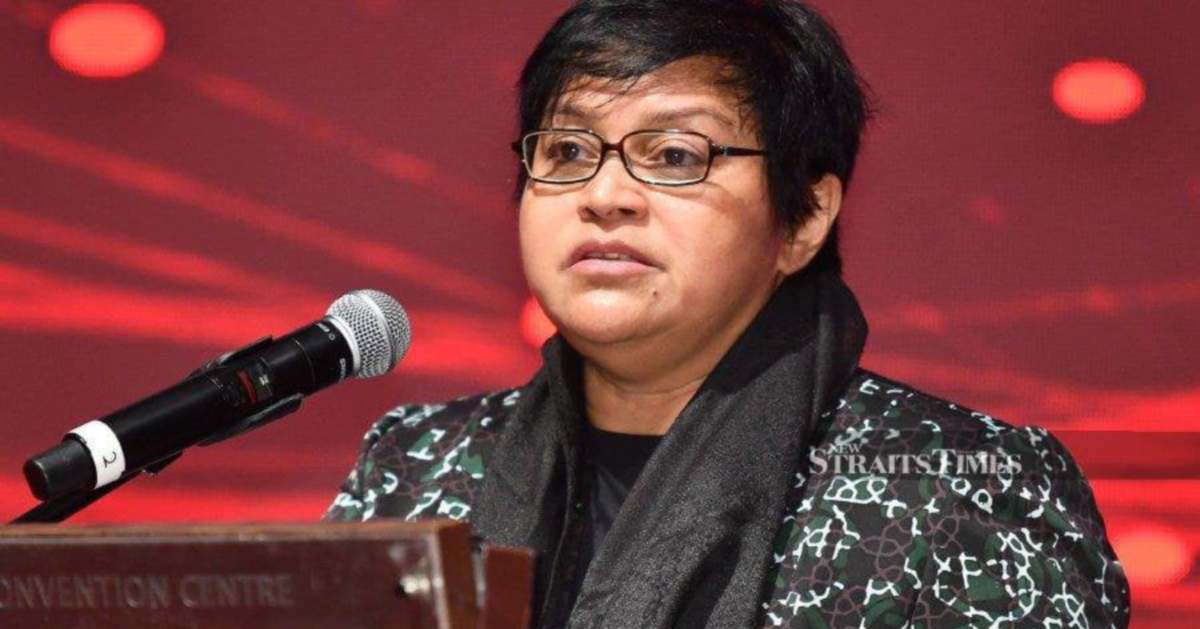
The formation of any coalition or unity government arrangement in Johor should remain off-limits as a topic of negotiation until election results have been officially declared, according to Umno information chief Datuk Seri Azalina Othman Said in a statement made from Putrajaya. Her remarks come as Malaysian politics continues its pattern of intense coalition manoeuvring and backroom discussions that frequently precede actual electoral outcomes, particularly in states heading towards important political contests.
Azalina's intervention reflects a broader tension within Malaysian political circles between those eager to lock in post-election arrangements well in advance and those insisting that such discussions undermine the integrity and purpose of the democratic process itself. The timing of coalition-building conversations has become increasingly contentious, with critics arguing that negotiations conducted before voters have cast their ballots effectively treat elections as procedural formalities rather than genuine contests of ideas and mandates.
The Johor political landscape carries particular significance within Malaysian federalism given the state's economic importance, its substantial population, and its historical role as a Umno stronghold. Any changes to the state's political complexion or governing arrangements would reverberate across the broader coalition landscape at the national level, potentially influencing calculations for federal stability and future parliamentary mathematics. This multiplier effect explains why Johor politics commands disproportionate attention from national party leadership and strategists.
Umno's insistence on delaying coalition discussions until the ballots are counted suggests the party remains confident in its ability to command either a majority position or a commanding negotiating position in post-election arrangements. The party's traditional dominance in Johor would ordinarily support such confidence, though recent electoral trends have demonstrated that conventional political assumptions can shift rapidly, particularly when voter sentiment turns against long-entrenched political establishments.
The public statement from Umno's information chief appears designed to establish a framework that emphasises electoral legitimacy while simultaneously signalling to potential coalition partners that discussions will occur once results are in. This dual messaging serves multiple audiences: it reassures party members and supporters that the election will be genuinely contested, while also signalling to other political actors that Umno remains open to post-election arrangements with appropriate partners.
Malaysian political tradition has seen numerous instances where coalition agreements materialize with remarkable speed following elections, sometimes within hours of results being declared. These rapid formations suggest that considerable groundwork occurs below the surface well before voting takes place. Azalina's statement can therefore be interpreted as a public relations exercise designed to maintain the appearance of democratic process while private negotiations likely continue through established political channels.
For Southeast Asian observers watching Malaysian politics, the Johor situation exemplifies the broader challenge facing electoral democracies in the region where coalition politics and complex communal considerations frequently complicate straightforward majoritarian outcomes. Malaysia's system of coalition government has produced both stability and uncertainty depending on the effectiveness of inter-party arrangements, and the current emphasis on deferring coalition talks until election results suggests some parties believe electoral mandates should carry weight in determining subsequent negotiations.
The state's political trajectory will have implications extending beyond Johor's borders. A significant shift in the state's political composition could alter the dynamics of federal politics and potentially affect the stability of any national coalition. Conversely, if Umno maintains commanding strength in Johor, it would provide substantial foundation for the party's national strategic positioning and enhance its leverage in any federal coalition negotiations.
Azalina's position also reflects recognition that public confidence in electoral processes depends partly on the appearance that elections genuinely determine outcomes rather than serving as ratification exercises for predetermined political arrangements. Even as politicians engage in sophisticated coalition planning, maintaining the formal distinction between pre-election campaign politics and post-election governing arrangements remains important for democratic legitimacy and public acceptance of political outcomes.
The weeks leading up to the Johor election will likely see continued public statements emphasizing each party's electoral confidence while private negotiations proceed through established party networks. This separation between public pronouncements and private arrangements reflects the sophisticated nature of Malaysian coalition politics, where multiple conversations occur simultaneously at different levels of political hierarchy and formality.

