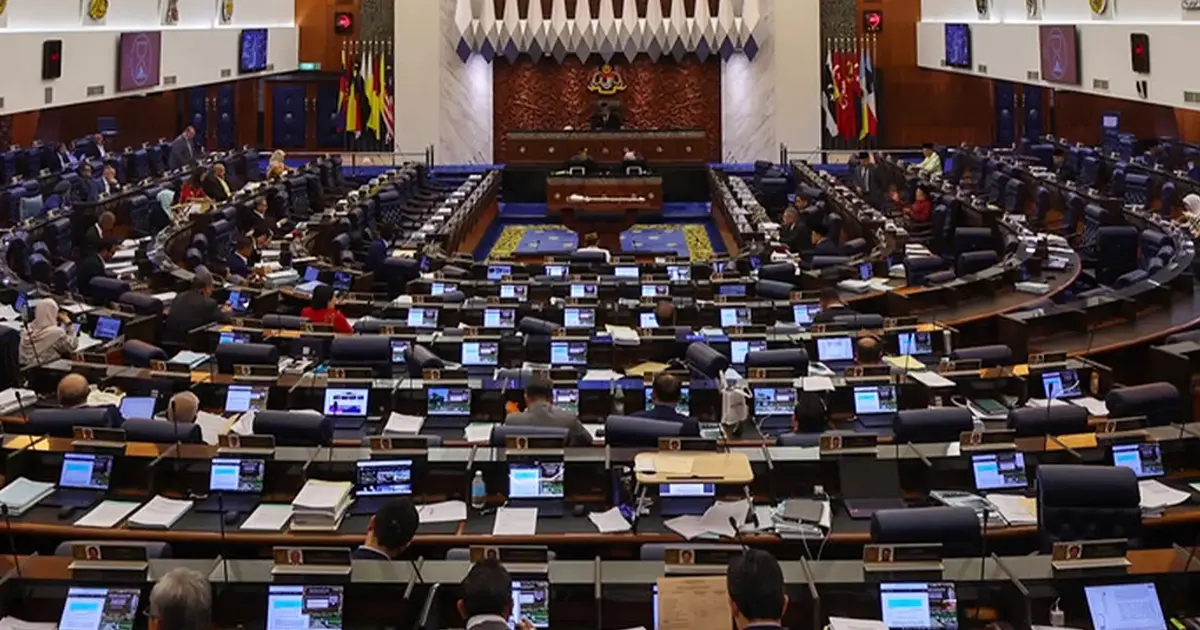
A coalition of Malaysian civil society organisations has made an urgent call for the Prime Minister to convene a high-level summit bringing together leaders from both government and opposition benches, with the explicit goal of forging a cross-party consensus on critical institutional reforms. The NGOs argue that such a pact should be negotiated and implemented before the sixteenth general election, representing a departure from the adversarial approach that has typically characterised Malaysia's political arena.
The appeal comes against a backdrop of political uncertainty that has periodically threatened parliamentary stability in recent years. Civil society groups contend that allowing Parliament to complete its full term would provide the necessary breathing space for substantive reform work, rather than the rushed legislative agendas that often characterise pre-election periods. This position reflects growing recognition among non-governmental organisations that genuine institutional change requires more than partisan posturing or electoral positioning.
The call for an interparty reform pact signals the NGOs' conviction that Malaysia's most pressing governance challenges transcend the traditional fault lines separating ruling and opposition parties. Issues such as electoral system integrity, transparency in government contracting, the independence of key institutions, and parliamentary accountability have long been subjects of civil society advocacy. The premise underlying the NGOs' proposal is that building broad-based political consensus on these matters would lend greater legitimacy and durability to whatever reforms ultimately emerge.
For Malaysia's opposition parties, such a summit would present an opportunity to influence the governance agenda beyond simply opposing government initiatives from the backbenches. Engagement in a structured reform dialogue could allow alternative perspectives on institutional design and accountability mechanisms to shape outcomes in ways that pure oppositional politics often cannot achieve. The signal that reform carries value transcending electoral cycles may also resonate with voters increasingly sceptical of Malaysia's political establishment.
The government's potential receptiveness to this initiative will likely depend on whether senior leaders view cross-party reform as an opportunity to build national consensus or as a risk to their political position. Prime Ministers historically supportive of institutional strengthening have sometimes found that transparent, rules-based governance ultimately benefits all political actors by constraining arbitrary executive power. Conversely, reluctance to engage in such dialogue may be interpreted as tacit acknowledgment that current arrangements serve particular interests better than reformed alternatives would.
International and regional observers have frequently highlighted Malaysia's institutional vulnerabilities as impediments to sustained development and investor confidence. Governance failures, perceived corruption, and questions about judicial independence have featured prominently in foreign media coverage and international governance indices. A credible cross-party commitment to meaningful reform could substantially improve Malaysia's standing in global governance assessments, with implications for sovereign credit ratings and foreign direct investment flows.
The civil society proposal implicitly recognises that electoral reform, transparency measures, and institutional accountability are not purely technical matters amenable to expert-driven implementation. Political buy-in across party lines remains essential, as any reform lacking opposition acquiescence risks being dismantled following the next change of government. This cyclical pattern of reform and counter-reform has plagued numerous Malaysian initiatives in the past, from parliamentary procedure modifications to anti-corruption agency restructurings.
The timing of this appeal is strategically significant. With GE16 speculation already circulating in political circles, the NGOs are attempting to shift discourse from electoral calculus toward governance substance. By framing reform as a shared national project rather than a partisan advantage, civil society hopes to create political space where such discussions might occur outside the usual adversarial framework. Whether this framing proves persuasive to political elites remains uncertain.
Southeast Asian precedents offer mixed lessons about the feasibility of cross-party reform agendas. While some neighbouring democracies have successfully negotiated constitutional amendments through multi-party mechanisms, others have seen supposedly binding reform agreements unravel amid shifting political circumstances. Malaysia's own history includes reform initiatives that achieved consensus at the point of implementation but lacked sufficient institutional embedding to survive subsequent political transitions.
For Malaysian voters increasingly concerned about governance quality and institutional reliability, the NGO initiative reflects a broader civil society conviction that electoral politics alone cannot deliver the transformations the country requires. Public expectations around transparency, accountability, and the rule of law have evolved substantially, creating potential constituencies supporting reform across traditional political boundaries. Whether this bottom-up pressure translates into elite receptiveness to sustained reform dialogue will substantially shape Malaysia's institutional trajectory in the coming years.
The success of any cross-party reform initiative will ultimately depend on specific institutional mechanisms designed to enforce commitments beyond electoral cycles. Without enforceable provisions, sunset clauses, or constitutional protections for agreed reforms, subsequent governments will retain capacity to unwind previous agreements. The civil society proposal, in essence, invites Malaysia's political leaders to demonstrate that governance improvement ranks alongside partisan advantage in their hierarchy of political priorities.

