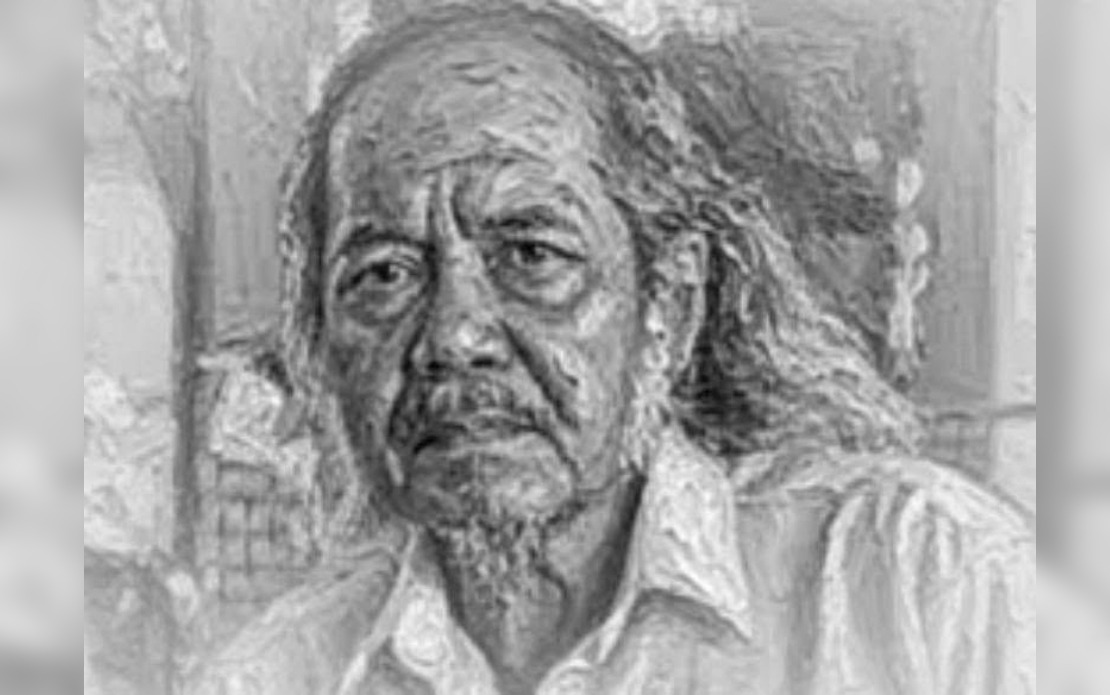
The Malaysian arts world has lost one of its most distinctive voices with the passing of Kamarozaman Yusoff, the character actor affectionately known as Cik Man, who died on Monday at Tanah Merah Hospital in Kelantan. The 68-year-old's death from heart complications has prompted the Malaysian Artistes' Association (SENIMAN) to reflect on the profound impact he made across film, television and stage throughout a career spanning more than four decades.
Hafiz Nafiah, SENIMAN's secretary-general, described Cik Man as one of the nation's finest character actors, emphasizing that his contributions extended far beyond the screen. Unlike many performers who pursue acting as a pathway to stardom, Cik Man cultivated a reputation rooted in artistic excellence rather than celebrity seeking. His approach to the craft—characterized by meticulous discipline, unwavering dedication and an almost spiritual commitment to authentic performance—established him as a revered elder among both established colleagues and emerging talents within Malaysia's creative industries.
What distinguished Cik Man from his contemporaries was his remarkable ability to inhabit characters with palpable sincerity and emotional depth. His performances carried a naturalistic quality that resonated with audiences because they felt lived-in and genuine. Beyond technical prowess, however, Cik Man became inseparable from the Kelantan dialect, which he wielded not as a regional affectation but as a narrative instrument that grounded his characters in recognizable Malaysian reality. This linguistic authenticity became his artistic signature and contributed substantially to the regional specificity that enriches Malaysian cinema.
Cik Man's breakthrough arrived in 1986 with his portrayal of Farouk in Gila-Gila Remaja, a role that introduced his distinctive presence to wider audiences and signaled the arrival of a performer with genuine depth. However, it was his subsequent work that would cement his legacy within the industry's collective memory. Rozana Cinta 87 expanded his range, while the Rock film trilogy—directed by the late Mamat Khalid—became the vehicle through which Cik Man achieved iconic status. His character in that series transcended typical film roles to become a cultural touchstone, referenced and remembered with affection by multiple generations of Malaysian cinema enthusiasts.
Beyond the Rock films, Cik Man demonstrated remarkable versatility across diverse projects. His appearances in Tiada Tajuk, Cerita Hantu Malaysia, Mael Totey The Movie and Abu Si Raksasa showcased his ability to adapt to varying narrative demands while maintaining the authenticity that audiences expected. The drama series Banyak Chanteq represented his contributions to television, another medium where his naturalistic approach translated effectively. This breadth of work across film and television illustrates both his industry esteem and his willingness to engage seriously with projects regardless of scale or commercial potential.
What separated Cik Man's career trajectory from many actors seeking sustained relevance was his apparent indifference to the mechanisms of self-promotion and status-seeking. Rather than managing his public image or strategically positioning himself for awards and recognition, he appears to have channeled energy into the integrity of individual performances. This approach paradoxically earned him deeper respect from industry insiders than many more commercially ambitious careers have achieved. Fellow actors and younger performers regarded him as a standard-bearer for serious dramatic craft at a time when Malaysian entertainment increasingly emphasized commercial appeal.
The significance of Cik Man's passing extends beyond individual loss to the broader question of how Malaysian cinema sustains its artistic traditions and institutional memory. His generation of character actors established benchmarks for performance authenticity that influenced subsequent waves of talent. The particular quality he brought—an integration of linguistic specificity, emotional realism and character commitment—represents an approach to acting that requires genuine cultural grounding rather than technical acquisition alone. As SENIMAN leadership acknowledged, his physical absence marks a genuine depletion of accumulated artistic wisdom within the industry.
For Malaysian audiences, especially those who grew up with his performances across multiple decades, Cik Man represented something increasingly rare in contemporary entertainment: an artist visibly committed to craft excellence above commercial calculation. His roles became reference points in conversations about character development, regional authenticity and the possibilities of subtle, nuanced performance within popular cinema. The affection with which audiences continue to remember his work decades later suggests an enduring resonance that transcends typical entertainment consumption.
SENIMAN's formal statement reflected the broader sentiment within Malaysia's creative communities that while Cik Man's physical presence has departed, his artistic contributions constitute a permanent layer within the nation's cultural sediment. The films and television programs featuring his performances remain accessible to new audiences, ensuring that contemporary viewers can encounter his work and understand why he commanded such professional regard. In this sense, his legacy operates both as historical record and as continuing artistic influence, potentially inspiring future generations of actors toward similar commitments to authenticity and character integrity.
The passing of figures like Cik Man prompts necessary reflection about how nations preserve and celebrate the contributions of artists whose impact may not be immediately quantifiable through commercial metrics or award recognition. His four decades in performance created standards and possibilities that shaped how Malaysian entertainment could be conceived and executed. SENIMAN's tribute, while formally expressed through official channels, captured something genuine about the loss: the disappearance of a distinctive voice and a particular approach to artistic commitment that Malaysian cinema will require considerable effort to replenish.

