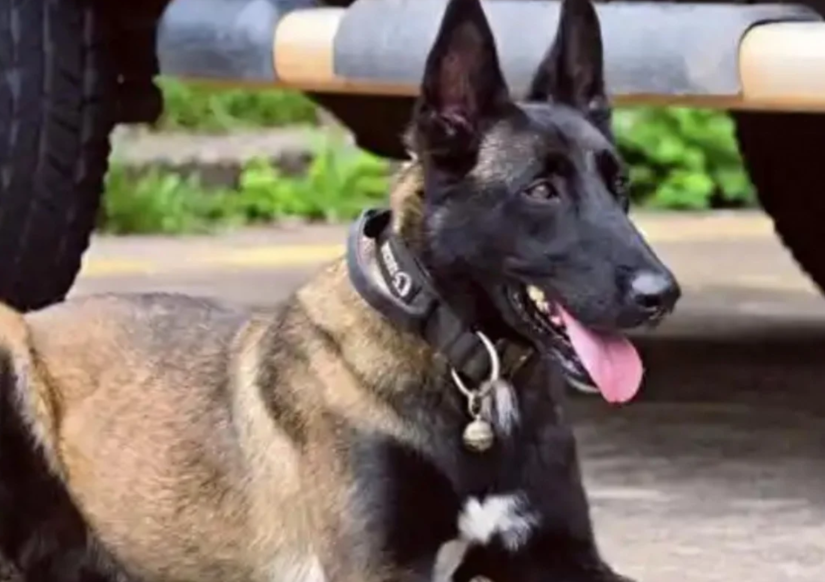
A German shepherd named Bulu has become an internet sensation across China after refusing to eat or drink for approximately six months while awaiting the return of his handler, a Chuxiong-based police officer known by the alias Awei. The emotional reunion between dog and handler, captured on video after Awei's recovery from severe injuries, struck a chord with millions of viewers on mainland social media platforms, accumulating more than 10 million views and exceeding 580,000 likes. The incident has brought international attention to the bonds that form between working dogs and their handlers, and has sparked broader discussions about the role of canines in Chinese law enforcement operations.
The events that led to their separation began in November of last year, when Awei and Bulu, a specially trained narcotics detection dog, were deployed together during a raid on an abandoned building suspected of housing drug-related suspects. As the operation unfolded, Bulu's keen senses detected movement, and the dog surged ahead to pursue the fleeing individuals, with Awei close behind. However, the operational environment proved treacherous. Moving through a debris-strewn corridor illuminated only dimly, Awei lost his footing and fell from a second-storey height, sustaining injuries that would keep him hospitalised for weeks and separated from his partner for months to come.
The severity of Awei's condition became apparent at the scene. Officers found him convulsing, coughing up blood, and drifting between consciousness and unconsciousness. Video footage from the incident captured a colleague urging the injured officer to persevere, saying "Hold on. We still have battles to fight together." Meanwhile, Bulu remained present throughout the ordeal, pacing anxiously around his handler and repeatedly nuzzling him in an instinctive attempt to rouse him from his deteriorating state. The dog's behaviour during this critical moment demonstrated the depth of the emotional and working relationship that had developed between handler and animal.
Awei was transported urgently to hospital, where medical staff discovered that he had sustained multiple fractures to his head and chest. His condition was serious enough to warrant an induced coma, from which he did not emerge for five full days. The injuries required extensive treatment and a lengthy recovery period that would ultimately extend well beyond his initial hospitalisation. During this time, Awei remained unable to return to his normal duties or reunite with his working partner, leaving Bulu without the human he had been trained to work alongside and bond with.
While Awei recuperated in the medical facility, Bulu was placed at a training base, ostensibly under proper care. However, the separation took a visible toll on the dog. Rather than continuing his work or adjusting to the new routine, Bulu grew increasingly restless and withdrawn. Most notably, the four-year-old German shepherd essentially refused to eat and drink, consuming only minimal amounts of food and water during the roughly six-month separation. His behaviour reflected a form of pining for his absent handler that transcended typical working dog responses.
Surveillance footage from the training base revealed the extent of Bulu's distress and longing. The dog repeatedly returned to locations associated with Awei—the dormitory where they had lived together, the base gate where the handler would have entered and exited, and the training routes they had regularly walked. On several occasions, Bulu would rush excitedly toward returning police vehicles, only to experience disappointment when he realised that his handler was not among those disembarking. These repeated cycles of hope and disappointment painted a poignant picture of an animal grieving the absence of a significant figure in his life.
When Awei finally completed his recovery and returned to duty, the authorities arranged a formal reunion between handler and dog. The moment was captured on video, and the footage recorded an immediate and powerful recognition between the two. Bulu barked and sprinted toward Awei at high speed, while the officer dropped his belongings and knelt down to embrace his partner. The video of this reunion resonated deeply with viewers across China's social media landscape, suggesting that the emotional authenticity of the moment transcended language and cultural barriers.
The incident achieved broader significance because it highlighted the human costs of police work and the dedication required in law enforcement operations. Awei's colleagues did not allow the incident to derail their investigation. During the officer's hospitalisation and recovery, the remaining team members pressed forward and successfully apprehended 11 suspects connected to the drug operation. They also recovered 4.4 kilograms of narcotics and more than 500,000 yuan in illicit financial assets, ultimately bringing the case to a successful conclusion.
The story prompted online commenters to reflect on the nature of the human-animal bond in professional settings. One widely shared comment observed, "What Bulu was waiting for was not just its handler, but a comrade-in-arms. I am deeply moved by the bond between humans and animals." This sentiment captured a recognition that police dogs are not merely tools or pets, but partners who form genuine emotional attachments to their human colleagues.
The incident has also drawn public attention to the broader infrastructure of canine law enforcement in China. According to state broadcaster CCTV News, the People's Republic currently deploys more than 29,000 active police dogs across various law enforcement agencies as of 2024. These animals undergo extensive training and typically serve for an average of eight years before retirement. However, the work is physically demanding and often takes a toll on the animals. Long-term exposure to high-intensity operational deployments frequently results in joint and spinal injuries that can necessitate premature retirement.
Post-retirement care for police dogs in China varies. Most dogs remain with their original police units, where they are cared for by their handlers or other officers they have bonded with over years of service. This arrangement allows many retired dogs to spend their final years in familiar environments with people they know. However, some retired police dogs eventually become available for public adoption, allowing them to transition to civilian family life. The existence of adoption pathways suggests growing recognition within Chinese law enforcement of the individual identity and welfare of working animals beyond their operational utility.
Bulu's story, while deeply moving at the personal level, also reflects systemic questions about how modern police forces conceptualise their relationships with working animals. The dog's unwavering loyalty and physical response to separation raise questions about the emotional lives of police dogs and their capacity for suffering when separated from their handlers. As China's police dog programme continues to expand and modernise, cases like Awei and Bulu's may prompt policymakers to consider additional welfare protections and protocols designed to minimise psychological distress in working animals.

