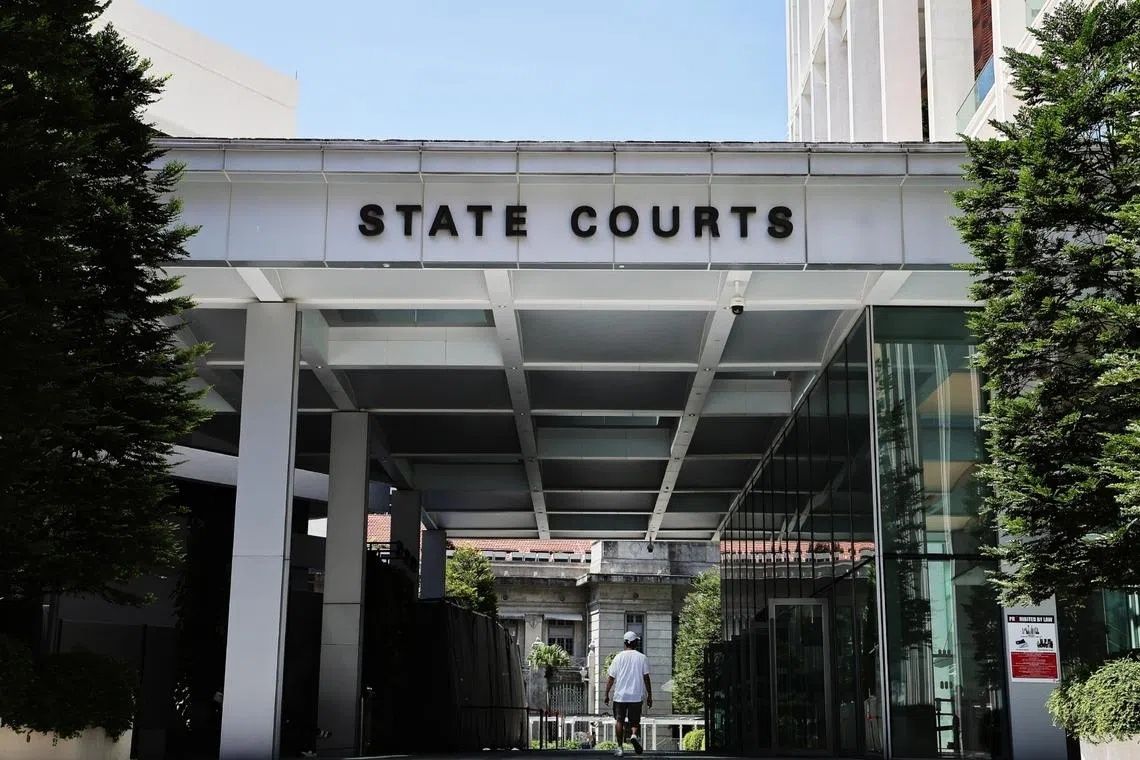
A 41-year-old Chinese national has admitted to targeting affluent Singapore residential areas during his inaugural visit to the Republic, committing two house burglaries that netted him S$105,000 in stolen jewellery and luxury items. Huang Xiaozong entered guilty pleas to two counts of housebreaking on Friday, July 10, with sentencing scheduled for August 14, marking a swift conclusion to a criminal spree that unfolded over just three days in early December.
Huang's arrival in Singapore on December 5, 2025, appears to have sparked entrepreneurial ambitions of a decidedly criminal nature. Having formed positive initial impressions of the city-state as a prosperous enclave, he methodically researched the geographic locations of Singapore's wealthier districts before zeroing in on residences in Sentosa and Serangoon Gardens that presented themselves as unoccupied. This calculated approach suggests premeditation rather than opportunistic crime, with the accused systematically identifying and targeting properties where occupants were unlikely to be present.
The first incident occurred just one day after his arrival, when Huang ventured to Sentosa and discovered an unoccupied suite within a luxury hotel complex. Observing the absence of activity inside, he gained entry through the rear balcony door, subsequently forcing open the sliding mechanism to access the interior. His haul from this location proved substantial: a Chanel timepiece valued at S$30,000, five rings totalling S$25,000, and a gold necklace estimated at S$3,000. After collecting these valuables, he returned to his temporary accommodation in Little India with the stolen goods in hand.
The initial theft went undetected for two days until hotel housekeeping staff entered the compromised unit and observed telltale evidence of the break-in—discernible footprints and an inventory of missing items. This discovery window illustrates how brief absences in properties, even in premium locations, can create vulnerability to determined burglars willing to invest time in reconnaissance.
Huang's criminal momentum appeared undimmed by this initial success. On December 7, 2025, he travelled to Serangoon Gardens, an established residential enclave known for housing substantial family properties. Arriving during the evening hours between 7 and 8 pm, he identified a darkened house with no visible signs of occupancy and scaled the perimeter gate to gain access to the grounds. Inside the residence, he located and absconded with jewellery exceeding S$47,000 in value, encompassing various rings, gold necklaces, a diamond necklace, diamond earrings, and a pair of wedding rings—items likely representing decades of accumulated wealth and sentimental significance for the owners.
His attempt at a second burglary in the same vicinity that evening proved more eventful. After spotting another seemingly vacant property, he again scaled the gate and commenced his search inside. However, the presence of a domestic helper inside the premises interrupted his activities, and when questioned about his presence, Huang abandoned his efforts and fled back to his hotel with the goods already secured from the initial Serangoon Gardens residence. The domestic helper's alert prompted the homeowner to contact police upon returning that evening, initiating the investigation that would lead to his apprehension.
Law enforcement traced Huang to his hotel accommodation in Little India, where he was arrested on December 8, 2025, just three days after his initial arrival and before he had the opportunity to dispose of or relocate the stolen merchandise. The combined value of all items recovered totalled S$105,000, representing a significant loss across two separate households. This rapid apprehension suggests effective cooperation between hotel management and authorities in identifying the suspect's lodging and movements.
The case highlights vulnerabilities in residential security during temporary absences, particularly in affluent neighbourhoods where residents may assume their properties are sufficiently secure against intrusion. The targeting of Sentosa, an island resort area, and Serangoon Gardens, a prestigious residential district, reflects the accused's deliberate focus on high-net-worth individuals likely to possess valuable jewellery and luxury goods. For Malaysian readers, the incident underscores parallels with security concerns in comparable upscale neighbourhoods in Kuala Lumpur, Petaling Jaya, and other major Malaysian urban centres, where property owners must balance aesthetic considerations against the reality of organised property crime.
The three-day timeframe between Huang's arrival and arrest, coupled with the substantial value stolen, suggests he operated with prior knowledge of Singapore's geography and wealth distribution patterns—information readily accessible through online research. His methodical selection of properties and careful observation of occupancy patterns demonstrate that even first-time visitors with criminal intent can pose serious security threats if they undertake adequate preparation.
Sentencing on August 14 will determine whether Huang faces custodial sentences reflecting the gravity and premeditation of his offences, or whether mitigating factors might influence the court's determination. Given Singapore's well-documented approach to property crime and the significant financial losses involved, a substantial prison term appears likely. The case also raises questions about the effectiveness of hotel security protocols in monitoring guest activities and the responsibility of property owners to implement robust security measures even during brief absences.

