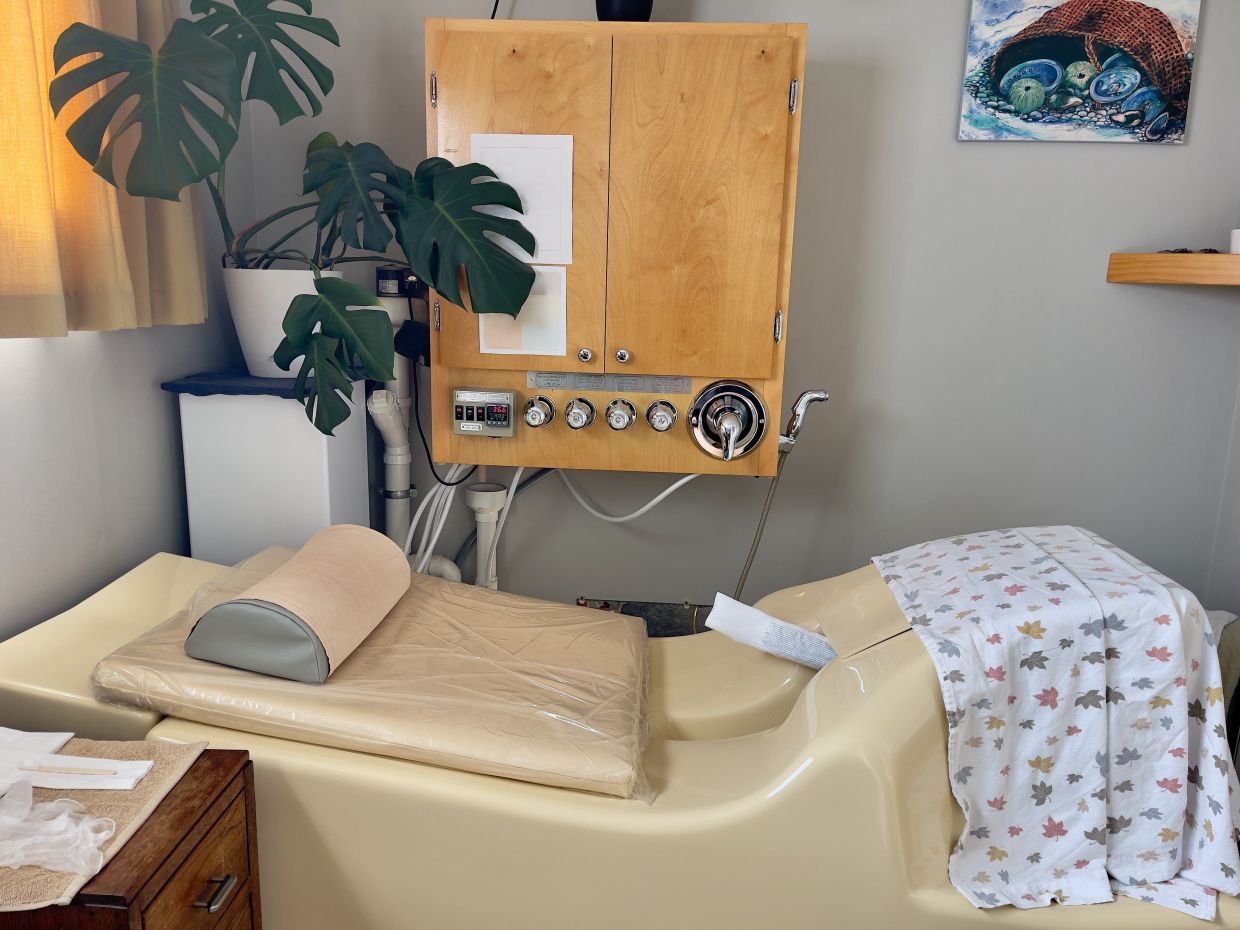
A sophisticated fraud operation centred in Beijing exploited emotional vulnerabilities and health anxieties of more than 100 senior citizens, swindling them of over 10 million yuan (US$1.5 million) through a deceptive intestinal detoxification racket. The elaborate scheme involved adding dark soy sauce to cleansing liquids to create the illusion of expelled bodily toxins, convincing vulnerable elderly patients that they required expensive, ongoing medical treatment. Beijing authorities have arrested more than 30 individuals suspected of orchestrating the scam, which operated across multiple health centres disguised as legitimate wellness facilities throughout the city's various districts.
The investigation commenced when the family of a woman surnamed Li discovered she had spent an astounding 700,000 yuan (US$103,000) at a single health facility. Ms Li's case exemplifies the predatory nature of the operation: she initially visited to purchase a modest 38-yuan foot massage voucher, but gradually became ensnared in progressively expensive treatment packages costing tens of thousands of yuan per session. As her financial resources dwindled, clinic staff escalated their manipulation, pressuring her to pawn personal valuables when funds ran low. One member of staff reportedly told her: "If your illness cannot be treated, what do you need money for?" — a chilling indicator of the emotional coercion deployed systematically throughout the scheme.
The criminal network employed sophisticated targeting and retention strategies that exploited the emotional isolation prevalent among China's rapidly ageing population. Rather than relying solely on random recruitment, the operators identified affluent elderly individuals living alone or experiencing emotional loneliness despite having adult children. They stationed themselves at senior centres and public gathering places frequented by older adults, offering complimentary consultations with purported medical experts. These fraudulent practitioners would diagnose seniors with serious conditions requiring prolonged, expensive treatment regimens. The scheme operated with calculated deliberation: staff members cultivated personal relationships by remembering birthdays and displaying attentiveness, creating the false impression they cared more genuinely than the patients' own families.
The centrepiece of the deception involved the theatrical intestinal cleansing procedure. After convincing patients of underlying health problems, the health centres would perform cleansing treatments and deliberately introduce dark soy sauce — a common Chinese cooking ingredient used for colouring — into the drainage liquid. When seniors observed the darkened liquid, they were instructed that this represented toxins being expelled from their bodies, providing visual "confirmation" of their supposed illnesses. This crude yet effective psychological manipulation repeatedly convinced victims to commit substantial sums to ongoing treatment.
The financial scale of the operation revealed its organised nature. The health centres' combined turnover exceeded 30 million yuan (US$4.5 million), an unusually high figure for ostensible wellness establishments. Individual cases demonstrated particularly extreme exploitation: one victim accumulated debts exceeding 2 million yuan (US$295,000). The presence of over 20 facilities operating simultaneously across multiple Beijing districts under similar operational models indicates this represented an integrated criminal enterprise rather than isolated incidents of fraud.
The vulnerability of China's elderly population creates fertile ground for such exploitation. As of end-2025, approximately 323 million Chinese citizens aged 60 and above comprise roughly 23 per cent of the national population. Within this demographic, a staggering 60 per cent are classified as empty-nesters — seniors either without children or whose adult children reside in different locations. This demographic reality means hundreds of millions of older Chinese experience social isolation and limited familial oversight, precisely the conditions the fraudsters systematically identified and weaponised. The gap between seniors' genuine need for healthcare support and their actual ability to access professional, trustworthy medical guidance creates a dangerous vacuum that unscrupulous operators readily exploit.
Industry observers have raised urgent concerns about regulatory gaps enabling such operations. As one online commentator noted, numerous questionable health centres continue distributing complimentary gifts and soliciting seniors without adequate governmental supervision or consumer protection mechanisms. The health and wellness industry targeting elderly populations operates in a largely unregulated space where scientific standards remain minimal and marketing claims face insufficient scrutiny. The Beijing case exposes not merely individual criminal wrongdoing but systemic failures in protecting a vulnerable demographic from predatory commercial practices.
The practical mechanisms of manipulation reveal how the scammers leveraged basic human psychology and genuine healthcare anxieties. Many elderly individuals harbour legitimate concerns about age-related health decline and seek affirmation that their bodies remain resilient. The fraudsters provided this reassurance initially, then gradually shifted messaging to suggest hidden problems requiring intervention. Once patients had invested emotionally and financially in a particular health centre, the psychological sunk-cost effect kept them engaged despite mounting expenses. The personal attention provided by staff — a stark contrast to the actual isolation many seniors experience — further deepened emotional bonds that criminals exploited mercilessly.
For Malaysia's rapidly ageing population and Southeast Asian societies experiencing similar demographic transitions, the Beijing scam serves as a cautionary blueprint for potential vulnerabilities. As countries across the region grapple with expanding elderly populations, improving healthcare accessibility, and addressing loneliness among seniors, similar fraudulent schemes could flourish without proactive regulatory frameworks and public awareness campaigns. The sophistication of the Beijing operation — combining relationship-building, psychological manipulation, theatrical deception, and emotional coercion — represents the evolution of elder-targeted fraud beyond simplistic schemes. Malaysian consumer protection authorities and elderly care organisations would be wise to establish clearer guidelines distinguishing legitimate wellness services from predatory operations, implement licensing standards for health facilities, and create accessible reporting mechanisms for seniors and families.
The arrest of 30+ individuals marks significant law enforcement action, yet raises broader systemic questions about how such organised operations flourished initially. The simultaneous operation of 20+ facilities across multiple districts suggests insufficient coordination between local authorities or inadequate consumer complaints mechanisms. Moving forward, elder fraud prevention requires integrated approaches combining regulatory oversight, public education programmes targeting seniors themselves, guidance for family members recognising warning signs, and transparent professional standards within the health and wellness industry. China's unfolding investigation will likely expose additional operational details, but the fundamental lesson remains clear: as societies age, protecting elderly citizens from sophisticated predatory schemes demands vigilance and systemic safeguards beyond sporadic criminal prosecutions.
%22%2F%3E%3C%2Fpattern%3E%3C%2Fdefs%3E%3Crect%20width%3D%22100%25%22%20height%3D%22100%25%22%20fill%3D%22url(%23ph5qcrtg)%22%2F%3E%3Crect%20width%3D%22100%25%22%20height%3D%22100%25%22%20fill%3D%22url(%23ph5qcrtp)%22%2F%3E%3Ctext%20x%3D%2250%25%22%20y%3D%2250%25%22%20text-anchor%3D%22middle%22%20dominant-baseline%3D%22central%22%20fill%3D%22rgba(255%2C255%2C255%2C0.95)%22%20font-family%3D%22Georgia%2C%20'Times%20New%20Roman'%2C%20serif%22%20font-weight%3D%22700%22%20font-size%3D%22272%22%20letter-spacing%3D%22-0.02em%22%3EISTAF%3C%2Ftext%3E%3C%2Fsvg%3E)

%22%2F%3E%3C%2Fpattern%3E%3C%2Fdefs%3E%3Crect%20width%3D%22100%25%22%20height%3D%22100%25%22%20fill%3D%22url(%23ph2kz80g)%22%2F%3E%3Crect%20width%3D%22100%25%22%20height%3D%22100%25%22%20fill%3D%22url(%23ph2kz80p)%22%2F%3E%3Ctext%20x%3D%2250%25%22%20y%3D%2250%25%22%20text-anchor%3D%22middle%22%20dominant-baseline%3D%22central%22%20fill%3D%22rgba(255%2C255%2C255%2C0.95)%22%20font-family%3D%22Georgia%2C%20'Times%20New%20Roman'%2C%20serif%22%20font-weight%3D%22700%22%20font-size%3D%22170%22%20letter-spacing%3D%22-0.02em%22%3EMalaysia%3C%2Ftext%3E%3C%2Fsvg%3E)