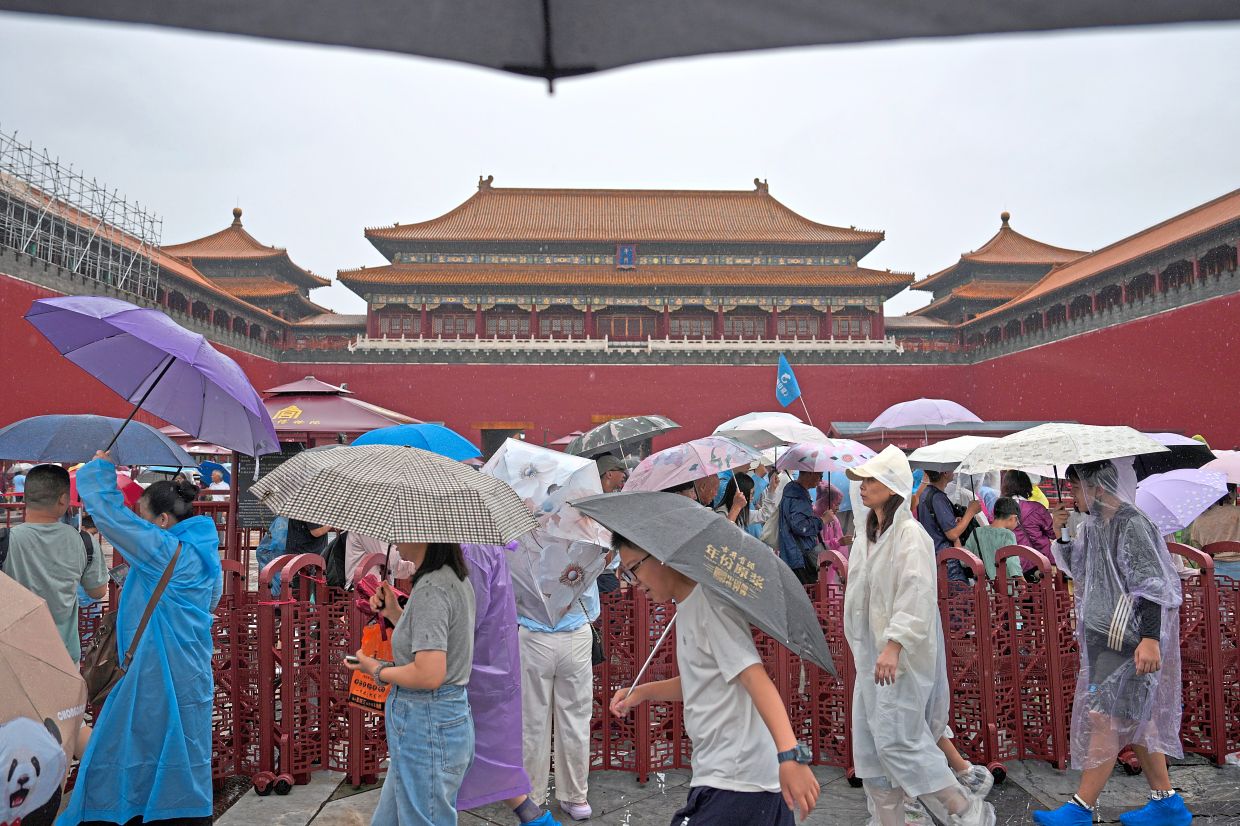
China's aggressive push to restore its position as a major international tourism destination has delivered tangible results, with foreign visitor arrivals and spending reaching unprecedented levels in 2025. This milestone represents a dramatic turnaround from the uncertain period following Covid-19 lockdowns, when the country struggled to overcome reputational damage and disrupted air connectivity. The recovery has profound implications for Southeast Asia's tourism competitiveness and signals a significant shift in how younger, digitally-native travellers choose their destinations.
The transformation began in earnest during 2023, when Chinese authorities launched a comprehensive campaign to attract international visitors through gradual visa-free access extended to citizens of 50 countries. Initially, the strategy gained only modest traction as pandemic-era memories lingered and flight routes remained constrained. However, momentum accelerated substantially during 2025 when China intensified its digital marketing efforts, operating accounts on Western social media platforms such as X and TikTok that remain inaccessible within China itself. The National Bureau of Statistics recorded approximately 35 million foreign tourists in 2025, positioning China alongside Thailand and approaching Japan and Malaysia in annual visitor numbers—a significant achievement for a destination recovering from prolonged international isolation.
Visa-free travel has emerged as the principal driver of this tourism renaissance, accounting for more than 70 percent of foreign arrivals in 2025, up substantially from 50 percent in 2024. The first half of 2026 demonstrated even stronger performance, with 18 million visitors from visa-exempt countries and overall foreign arrivals increasing 20 percent year-on-year. Nations benefiting most from this framework include South Korea, Russia, Malaysia, and Thailand, though Japanese visitor numbers have contracted owing to diplomatic tensions between Beijing and Tokyo. Vietnamese and Russian tourists have particularly surged into Beijing during the current year, suggesting that geographic proximity combined with visa convenience creates powerful incentive structures for regional travellers.
The appeal to younger international visitors has been substantially magnified through social media trends, particularly the viral phenomenon of "Chinamaxxin," wherein Western users adopt habits associated with Chinese lifestyle culture, such as consuming heated beverages throughout the day. Striking visual content featuring minimalist architecture, misty landscapes, and contemporary urban experiences circulates continuously across platforms, convincing potential visitors like 28-year-old Singaporean Claire Thum to experience China firsthand. What began as curiosity about Shanghai's trendy commercial spaces and viral venues such as the perfumery To Summer has expanded into plans for deeper exploration of regions including Yunnan, Xinjiang, and Harbin. This pattern exemplifies how algorithmic content distribution can reshape international perceptions and travel decision-making among demographics traditionally less interested in China.
China's political leadership recognizes tourism's value as soft power, and local governments have accordingly mobilized substantial financial resources. Beijing allocated an additional CNY2.64 million in 2026 specifically to manage increased tourist volumes and launch multilingual promotional campaigns, while Shanghai committed at least CNY1.6 million toward advertising on major booking platforms including Expedia and Booking.com. These expenditures represent an unusual budgetary priority in regions facing fiscal constraints, underscoring the strategic importance assigned to tourism recovery. Officials have personally embraced foreign social media platforms, with officials such as Chongqing's deputy director general of tourism Zhu Mao coordinating influencer partnerships and leveraging celebrity figures including basketball star Stephen Curry to enhance international visibility.
The tourism recovery has provided unexpected tailwinds to China's domestic retail sector, which has endured prolonged weakness from sluggish consumer spending and real estate market stagnation. Foreign visitors demonstrate pronounced demand for services reflecting price advantages compared to their home countries, ranging from dental treatments at approximately one-fifth of American costs to bespoke tailoring at local garment markets. Miniso's Shanghai flagship store has attracted foreign visitors comprising up to 70 percent of foot traffic during peak periods, drawn by collaborations with internationally recognized characters and branded properties. The retail phenomenon has catalyzed overseas expansion for Chinese consumer brands; Miniso reported that international sales revenues now exceed domestic China revenue and expanded 20 percent year-on-year, while the Joy Group beauty brands Judydoll and Joocyee generated over CNY600 million in foreign retail sales in 2025, with Judydoll achieving tenfold expansion across Vietnamese and Japanese markets within two years.
Yet significant obstacles persist in converting tourism momentum into sustained visitation and expenditure growth. China generated less than one-third of America's inbound tourism spending and approximately 40 percent of per-capita international visitor spending at around US$2,240, according to Trip.com data. International tourism accounted for less than 0.5 percent of China's national GDP in 2025, substantially below mature tourism economies such as Spain and Thailand where the sector contributes approximately 8 percent. These disparities reflect both the recency of recovery and structural constraints limiting tourist spending potential and frequency of return visits.
Navigational and accessibility challenges represent formidable barriers to sustained growth. Major Chinese cities operate predominantly on cashless payment systems, creating friction for visitors without local bank accounts or digital payment wallets linked to Chinese phone numbers. Simultaneously, foreign visitors lack access to mainstream global applications including Google, Instagram, and WhatsApp unless employing VPNs, which technically violate Chinese regulations. Language support remains inadequate across many service sectors, compounding the difficulty of arranging accommodation, ordering food, or purchasing transit tickets. Emerging enterprises such as Kora, an artificial intelligence-powered tourist guide platform, have begun addressing these frictions through simplified ride-hailing reservation systems, restaurant booking services, and multilingual chatbots that have assisted tens of thousands of visitors since launching in early 2026.
Other geopolitical factors have inadvertently contributed to China's tourism rebound. Escalating tensions in West Asia have elevated air ticket prices throughout the Middle East and Gulf region, causing international transit routes to divert through China rather than traditional Gulf hub airports. Major Chinese carriers including state-owned China Eastern, Air China, and China Southern have consequently experienced substantial passenger growth, benefiting from pricing advantages relative to foreign airlines that have not fully restored pre-pandemic service levels to China. This transit demand has introduced visitors to Chinese cities and attractions they might not otherwise have encountered, potentially catalyzing future dedicated tourism visits.
International perception of China has simultaneously improved during 2025, according to Pew Research Centre data indicating record favorable views of the world's second-largest economy across numerous countries. These sentiment shifts partly reflect changing American international positioning under Donald Trump's administration, which has reshaped global assessments of American alternatives. Marketing strategist Olivia Plotnick, founder of Shanghai-based consultancy Wai Social, observes that accumulating visitor testimonials now position Shanghai as a peer competitor to Tokyo, suggesting fundamental rebranding of China's international image among younger demographics.
The character of contemporary tourist experiences has transformed markedly from heritage site itineraries dominating previous generations. International visitors increasingly prioritize authentic local life observation, high-technology retail experiences at brands including Huawei and DJI, theme park-style consumer destinations featuring Pop Mart stores, and culinary encounters at establishments like Haidilao hotpot restaurants. This diversification toward everyday consumer experiences rather than monumental historical attractions represents what tourist platform founder Bobo Rok characterizes as introducing visitors to "a real China, not just something from paper or imagination." French history student Virgile Kebaili's extended 2026 journey through Chengdu, Chongqing, Xi'an, and Beijing exemplified this pattern, yielding positive comparative rankings against experiences in India and highlighting unexpected dimensions including the relative scarcity of international tourists during portions of his visit and spontaneous interactions with local residents.
China's tourism renaissance carries implications extending beyond immediate revenue generation and foreign exchange earnings. The sector's expansion influences Southeast Asian destinations' competitive positioning within Asian travel hierarchies, particularly as younger travellers increasingly incorporate China into regional itineraries. The success of visa-free travel policies and social media-driven marketing suggests replicable strategies that other Asian governments might emulate. Furthermore, China's capacity to convert social media impressions into sustained visitation patterns and retail spending demonstrates the profound influence of algorithmic content distribution and influencer partnerships in reshaping international travel behavior. As China addresses remaining accessibility challenges and expands accommodation capacity, its continued tourism growth appears structurally supported by demographic preferences among younger international visitors, geopolitical routing patterns, and sustained governmental investment in promotional infrastructure.

