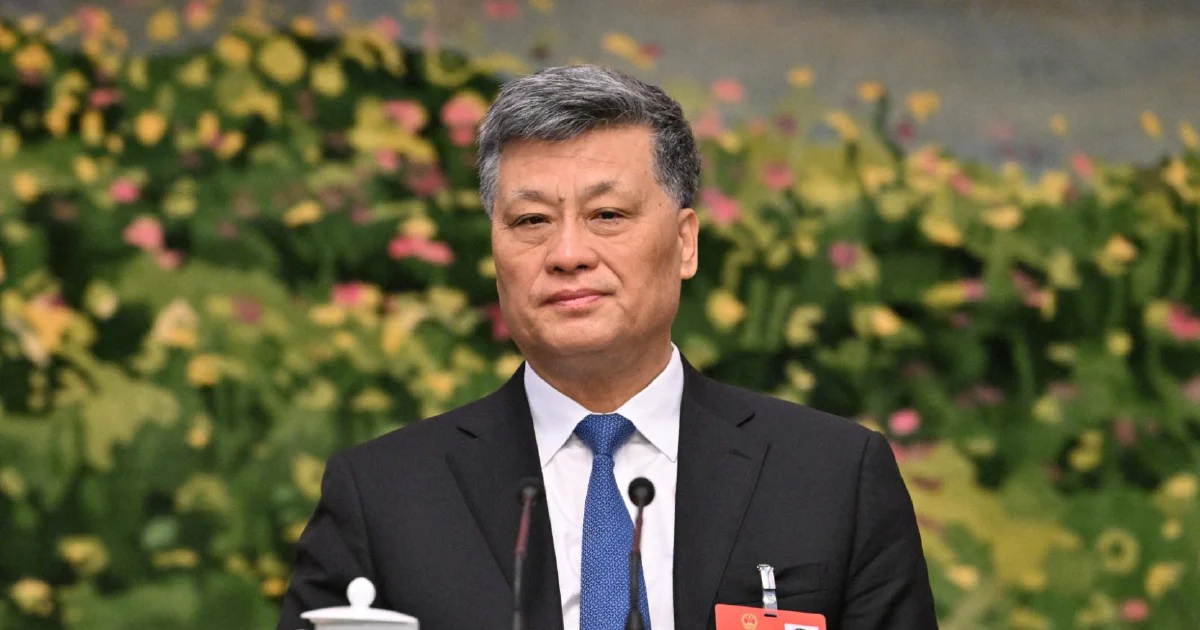
China's ruling Communist Party has taken action against a prominent former Xinjiang official, stripping him of party membership and terminating all his positions following a comprehensive investigation into serious corruption allegations. The disciplinary action, announced through state media channels on Tuesday, represents another significant instance of the central government's ongoing campaign against high-level misconduct within the party apparatus, particularly targeting officials in the restive western region.
The expelled official faced multiple charges relating to abuse of power and personal enrichment, spanning nepotism in hiring and promotion decisions, bribery in exchange for official favours, and the misappropriation of state resources for personal indulgence. Such cases have become increasingly common as Beijing intensifies its anti-corruption drive under the leadership of President Xi Jinping, demonstrating the party's stated commitment to eliminating what it characterises as systemic rot within its ranks.
Xinjiang, a strategically important autonomous region in northwestern China, has long been a focal point for central government oversight and disciplinary scrutiny. The region's significance to Beijing stems from both its geopolitical importance along China's western frontier and its role in national economic initiatives like the Belt and Road Initiative. Senior officials in Xinjiang operate under particularly close monitoring from central authorities, making high-profile expulsions within the regional leadership structure especially consequential for governance and party legitimacy.
The expulsion mechanism itself follows established Communist Party procedures whereby misconduct investigations are conducted by the Central Commission for Discipline Inspection or regional equivalents. Once sufficient evidence of wrongdoing is compiled, the party's internal disciplinary bodies recommend expulsion to higher authorities. The removal from all posts ensures the official loses access to government resources, party privileges, and the ability to influence administrative decisions, effectively ending his career within the state apparatus.
The detailed nature of allegations—spanning personal moral failings alongside institutional corruption—reflects a deliberate strategy by Beijing to portray corruption as both an ethical and systemic problem. By publicly itemising misconduct ranging from nepotistic appointments affecting meritocratic governance to bribery undermining the rule of law, the party seeks to demonstrate that corruption encompasses both grand and petty forms of malfeasance. This comprehensive approach aims to sustain public perception of the anti-corruption campaign as thorough and impartial.
For Malaysian readers and Southeast Asian observers, such disciplinary actions within China's upper echelons carry several implications. Xinjiang officials play crucial roles in implementing Belt and Road Initiative projects throughout the region, and personnel changes signal potential shifts in bilateral relations and project priorities. Additionally, the visible enforcement of anticorruption norms within China's bureaucracy—despite international criticisms regarding selective application—reflects the regime's concern with institutional credibility and stability.
The party's publicising of such expulsions also serves a dual domestic purpose: demonstrating the system's capacity for self-correction while simultaneously warning other officials against similar transgressions. By announcing dismissals through state media, Beijing ensures wide awareness among the cadre corps that no rank or position provides immunity from investigation and punishment, theoretically encouraging greater adherence to party discipline and ethical standards throughout the administrative hierarchy.
Xinjiang's particular sensitivity within China's political landscape means that scandals involving regional officials receive elevated attention from central authorities and media outlets. The region has experienced significant Han-Uyghur tensions and faces ongoing security challenges, making clean governance and effective administration matters of paramount concern for Beijing. Officials implicated in corruption may be perceived as further destabilising the region through eroded public confidence in institutions and governance legitimacy.
Historically, major corruption cases involving regional powerbrokers have sometimes preceded broader personnel reshuffles or policy recalibrations within affected areas. Observers monitoring Chinese governance dynamics should note whether this expulsion forms part of a larger restructuring within Xinjiang's leadership or represents an isolated enforcement action. Such patterns can signal shifts in Beijing's approach to regional administration or changes in factional alignments within the national leadership.
The case underscores persistent challenges within China's governance framework despite decades of institutional development and centralisation. Even with sophisticated oversight mechanisms and high-profile anti-corruption campaigns, ensuring integrity across a vast bureaucracy managing territory and populations spanning diverse regions remains an ongoing struggle. The frequency with which senior officials face expulsion or criminal prosecution suggests systemic vulnerabilities in accountability structures or enforcement consistency.
For international observers, these disciplinary proceedings demonstrate the Communist Party's continued reliance on internal mechanisms rather than independent judicial oversight for addressing official misconduct. While such actions may satisfy domestic audiences and serve party interests, questions persist regarding transparency, due process adherence, and whether public announcements reflect complete or selective accountability based on political considerations rather than uniform application of standards.
Moving forward, Malaysian businesses and regional governments engaging with Chinese counterparts in Xinjiang-related initiatives should remain attentive to leadership changes and their potential impact on project continuity and decision-making authority. Personnel instability at senior levels can affect the reliability and consistency of administrative partnerships, particularly for complex multinational ventures requiring sustained commitment and institutional memory from Chinese officials.

