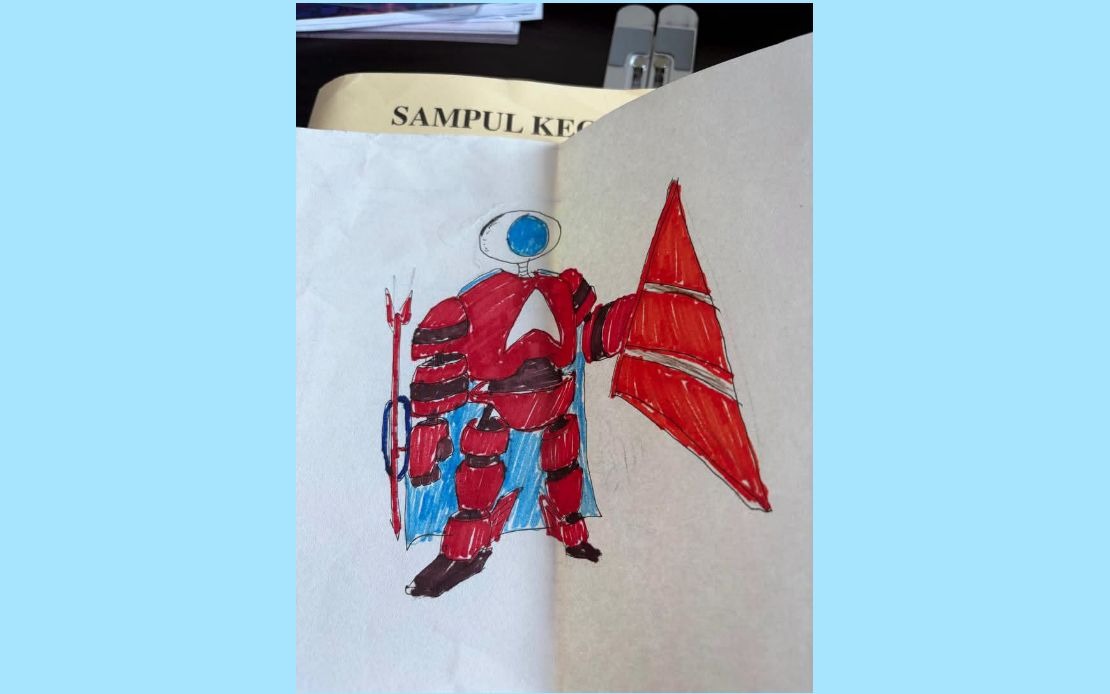
Prime Minister Datuk Seri Anwar Ibrahim has expressed his appreciation for an artwork gifted to him by a child with special needs during a recent Temu Anwar community engagement session in Negeri Sembilan. The drawing, which features a robot character rendered in red and blue armour clutching a staff-like implement, has taken on special significance for Malaysia's leader as a tangible reminder of his direct interactions with citizens from diverse backgrounds across the nation.
Through a Facebook post, Anwar reflected on the moment the child, carried by his father, presented the artwork to him during the programme. The Prime Minister's decision to publicly acknowledge and treasure such a gift underscores the value he places on meaningful human connections forged through grassroots engagement, particularly with vulnerable and marginalised community members whose voices are often overlooked in broader national discourse.
The gesture carries particular weight in the Malaysian political context, where symbolic moments of inclusion and recognition for citizens with disabilities remain relatively rare at the highest levels of government. By elevating this simple artistic offering to public attention, Anwar has simultaneously validated the child's creative expression and highlighted the accessibility of the nation's top leadership to all segments of society, regardless of ability or socioeconomic status.
Temu Anwar represents one of the administration's flagship initiatives for fostering transparent dialogue between government leadership and the rakyat. These sessions function as platforms where citizens spanning various demographics, age groups, and life circumstances can directly engage with the Prime Minister on issues of personal or national concern. The programme reflects a commitment to breaking down traditional hierarchical barriers that typically separate high-ranking officials from ordinary Malaysians seeking redress or simply wishing to be heard.
The child's drawing, though created with innocent simplicity, embodies the programme's underlying philosophy. It demonstrates that Temu Anwar succeeds not merely in facilitating policy discussions or addressing formal grievances, but in creating spaces where human dignity is affirmed and where contributions from all citizens—including those facing additional challenges—are genuinely valued and remembered. The robot character with its distinctive colouring and purposeful stance may represent the child's imagination or aspirations, though its specific meaning remains known primarily to its creator.
For Anwar, retaining the artwork and publicly acknowledging its importance reflects a broader political strategy of positioning himself as an accessible leader attuned to the emotional and social dimensions of governance. In an era where political connection increasingly occurs through digital and mediated channels, the tangible exchange of a handmade gift carries heightened symbolic power. Such personal moments resonate deeply with Malaysian voters and demonstrate leadership qualities beyond technical competence in administration.
The involvement of the child's father in presenting the artwork also underscores family dimensions of civic engagement. Parents of children with special needs often face systemic barriers in accessing government services and meaningful participation in public life. When high-profile political figures actively welcome and commemorate such family interactions, it potentially encourages greater inclusion and normalisation of persons with disabilities within national narratives and policy considerations.
Malaysia's disability community represents a significant demographic often marginalised in political discourse and resource allocation. While recent years have witnessed growing advocacy and legislative attention to disability rights and accessibility, practical implementation frequently lags considerably behind formal commitments. Moments such as this, when a child with special needs is treated with evident genuine respect at the highest political level, contribute incrementally to cultural shifts in how society perceives and values individuals with disabilities.
The choice to preserve and publicly reflect upon this particular drawing also carries implications for how government communicates about inclusivity. Rather than issuing formal statements about disability policy or accessibility initiatives, Anwar's approach privileges the personal and emotional register. This strategy may prove more effective in generating public sympathy and political support for policies benefiting persons with special needs, as it anchors abstract principles of inclusion in concrete, relatable human experience.
Temu Anwar's effectiveness ultimately depends on whether such encounters translate into substantive policy improvements and resource allocation for marginalised communities. While warm personal interactions between leaders and citizens serve important symbolic and morale-boosting functions, they must be complemented by tangible governmental action. Parents and advocates for children with special needs will likely gauge the administration's commitment through concrete measures: expanded educational services, improved healthcare access, employment opportunities, and adequate social support systems.
The robot drawing, now a cherished possession in the Prime Minister's office or residence, represents one of countless potential touchpoints between government and society. Its significance lies partly in what it symbolises about the receptiveness of Malaysia's political leadership to voices and experiences beyond the typical corridors of power. As Anwar continues engaging through Temu Anwar sessions, such personal connections will accumulate, shaping both his understanding of citizen needs and the public's perception of his leadership style and values.

