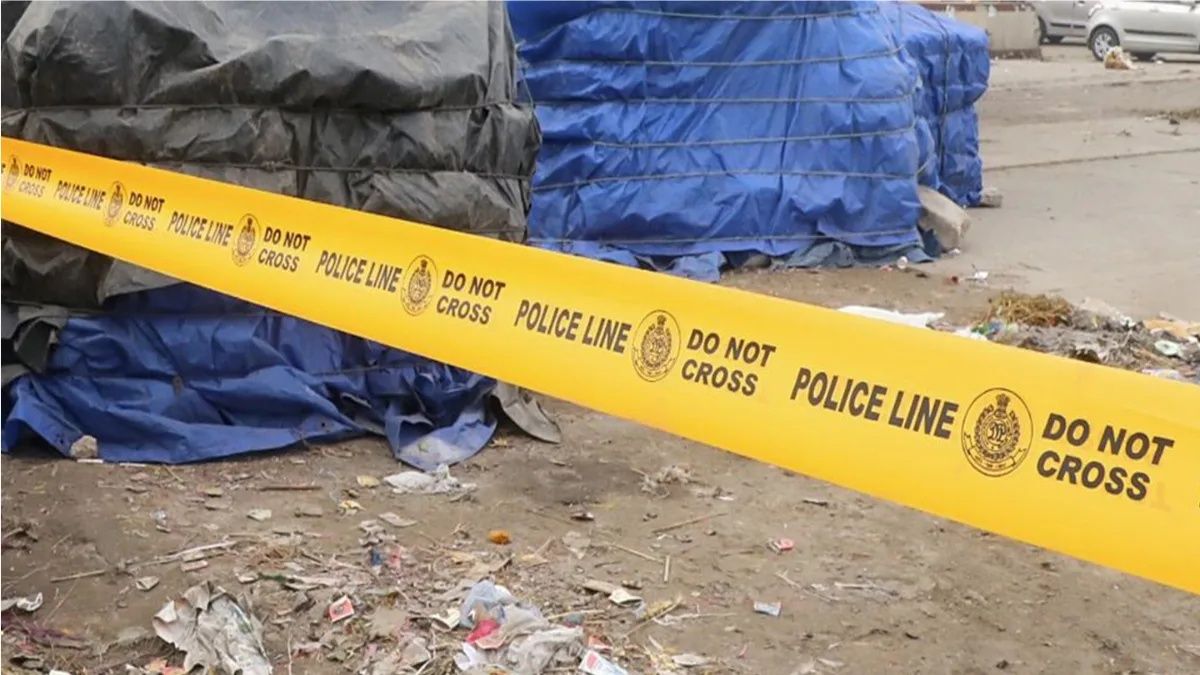
A child's death in West Bengal's Baruipur area has ignited a dangerous cycle of communal violence that underscores the fragility of law enforcement and public order in rural India. The discovery of a 12-year-old girl's body in a pond on Sunday morning, following her disappearance the previous evening, unleashed fury amongst residents that quickly spiralled into mob action, resulting in the suspected lynching of a youth and serious clashes between police and angry crowds. The incident, occurring in South 24 Parganas district, has raised fresh questions about vigilante justice and the capacity of authorities to maintain order during moments of extreme public distress.
According to the victim's family account, the girl had stepped out on Saturday evening to purchase food from a local shop but failed to return home. Family members reported that four individuals had allegedly forcibly taken the child away from the area. After an anguished overnight search, local residents discovered her remains floating in a nearby pond at Suryapur under Dhapdhapi II Gram Panchayat jurisdiction early the following morning. The body, recovered from waters adjacent to her residence, was found wrapped in a sack—a detail that intensified the horror felt throughout the community.
News of the grim discovery spread rapidly through the village, drawing hundreds of residents to the pond site. The gathering crowd refused to permit police personnel to remove the body for several hours, a manifestation of deep community distrust in the investigative process. Grieving and enraged residents blocked both major roads and railway tracks at Suryapur station on the Sealdah-Namkhana line, halting train services for approximately one hour and creating a transport bottleneck that persisted for nearly five hours. Demonstrators torched tyres, vandalised vehicles and demanded the immediate apprehension of all individuals suspected in the alleged sexual assault and murder.
The situation deteriorated dramatically when a local youth, whom residents suspected of involvement based on alleged previous association with some of the prime suspects, was set upon by the mob. The young man, beaten by the angry crowd, reportedly died from his injuries—marking what police described as a lynching. When law enforcement personnel attempted to intervene and rescue the victim from the mob, they encountered fierce resistance. The volatile atmosphere escalated as protesters began hurling stones at police officers and damaging official vehicles, resulting in injuries to several officers, including one who required admission to a private nursing home for treatment.
Police response involved deploying substantial contingents to contain the situation, supported by central paramilitary forces. Inspector General of Police for the Presidency Range, Kankar Prasad Barui, personally visited Baruipur and used public address systems to appeal for calm. His statement assured residents that investigators would pursue the matter with utmost urgency, pledging that "no one involved in this heinous crime will be spared" and that authorities would "seek the strongest possible punishment" available under law. Barui also committed to conducting the post-mortem examination at the earliest opportunity in compliance with legal procedures, signalling that due process would not be circumvented despite public pressure.
State leadership also moved quickly to address the crisis. West Bengal Chief Minister Suvendu Adhikari contacted the victim's father by telephone on Sunday, promising that those responsible would face "the strictest punishment under the law." The Chief Minister extended an invitation for the bereaved father to meet at Nabanna, the state secretariat, on Tuesday for further discussions and to explore all available avenues of state assistance. These gestures aimed to signal official commitment to justice whilst attempting to channel public anger away from mob action and toward institutional processes.
Investigations to date have resulted in the arrest of two individuals directly connected to the case. A third suspect was apprehended by local residents and subsequently handed over to police custody. However, the alleged involvement of a fourth person, as referenced by the victim's family, remains under investigation. The lynch victim's exact role, if any, in the alleged crime continues to be examined by senior officers, who are also investigating the attack on police personnel and the coordination of mob actions during the protests.
The incident reflects deeper concerns about child safety and justice administration in rural areas. Villages across South 24 Parganas and similar regions often experience delays in police response and investigative capacity, factors that can fuel public desperation and vigilante action. When institutional mechanisms for rapid investigation and justice appear inadequate, communities sometimes take law enforcement into their own hands—a pattern that creates cascading cycles of violence and undermines the rule of law. The lynching of a suspect, whether guilty or innocent of the alleged crimes, represents a dangerous escalation that complicates investigations and deprives the legal system of opportunity to establish facts through due process.
By Sunday afternoon, police had successfully persuaded protesters to withdraw blockades, restoring road and rail traffic. The victim's body was transferred to Baruipur Sub-Divisional Hospital for post-mortem examination. Security measures were reinforced across the locality to prevent recurrence of violence, whilst investigators continue examining circumstances surrounding both the child's death and the subsequent mob action. Police have also begun scrutinising the identities and roles of individuals involved in assaulting officers, signalling that accountability will extend beyond the alleged perpetrators of the original crime.
This case encapsulates the intersection of child protection failures, investigative capacity constraints, and the dangerous appeal of extrajudicial justice in contexts where public confidence in institutions remains fragile. For neighbouring states and Southeast Asian observers, the incident illustrates how quickly grief and anger can transform into collective violence when institutional safeguards appear weak. The urgency with which senior officials responded—through personal visits, telephone contact with families, and public assurances—suggests recognition of the risks posed by allowing public anger to crystallise into uncontrolled mob action. Moving forward, the test will involve whether the formal investigation produces swift justice outcomes that validate the rule of law, or whether institutional delays reignite communal frustration and further undermine faith in governmental capacity to protect the vulnerable.

