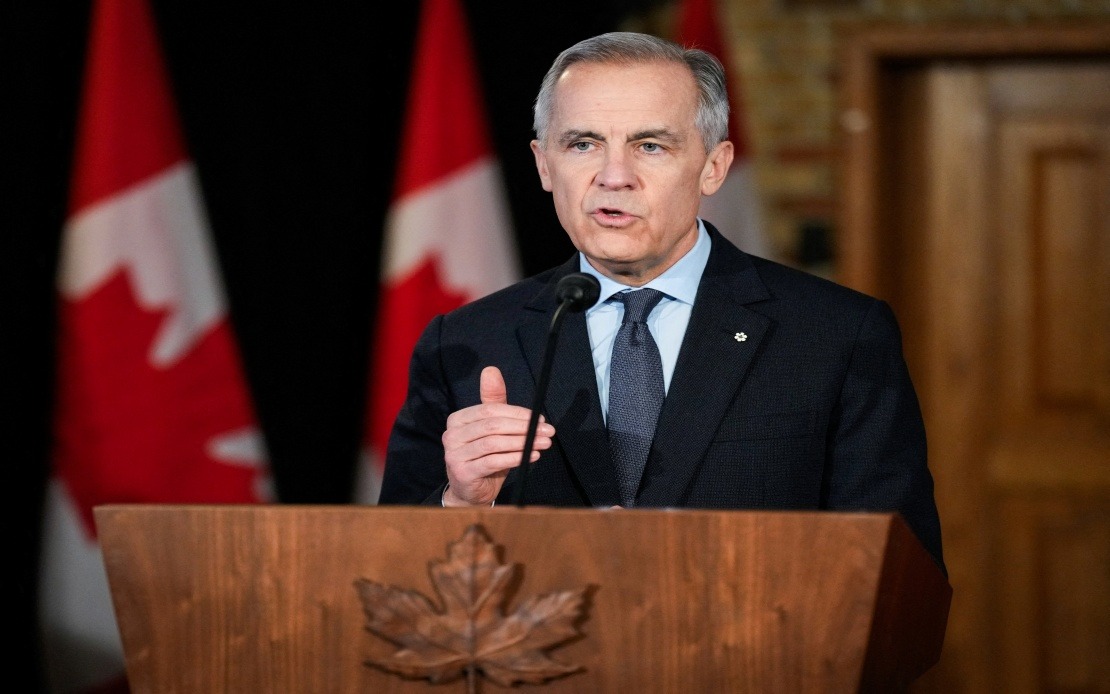
Canadian Prime Minister Mark Carney announced on August 19 that the United States has agreed to extend its pause on imposing steep tariffs against Canadian goods, providing negotiators with additional time to reach a comprehensive trade agreement. The reprieve, which will remain in effect until the end of business on August 21, reflects movement in discussions between Washington and Ottawa after US President Donald Trump signalled his willingness to delay the implementation of punitive tariffs overnight into Wednesday.
The original threat loomed over Canadian exporters: a 50 per cent tariff on a broad range of goods. This rate would have inflicted considerable damage on Canadian manufacturers, agricultural producers, and resource companies that depend heavily on access to the American market. By pausing the deadline, both governments have effectively acknowledged that the stakes are too high for rushed negotiations and that more deliberate, structured talks offer the best path forward.
Carney's statement struck a cautiously optimistic tone while remaining realistic about the challenges ahead. He characterised the current state of negotiations as one where "substantial progress has been made," yet he also candidly acknowledged that "important work still to be done." This framing suggests that both sides have narrowed their differences on some key issues, possibly relating to specific sectors or trade categories, but fundamental disagreements persist on other matters critical to reaching a final deal.
The timing of the extension is significant for regional trade dynamics. Canada remains one of the United States' largest trading partners, and any sustained tariff war would reverberate throughout North American supply chains. For Malaysian and Southeast Asian businesses with exposure to North American markets—whether through Canadian suppliers, joint ventures, or integrated production networks—the outcome of these negotiations carries real consequences. A prolonged dispute could disrupt sourcing patterns and force companies to seek alternative suppliers or markets.
Carney emphasised that despite the external pressure from tariff threats, Ottawa remains focused on its own economic priorities. The prime minister reiterated that Canada continues to pursue strategies aimed at "increasing the independence and competitiveness of its economy." This dual approach—negotiating with the US while simultaneously strengthening domestic economic resilience—reflects a recognition that Canada cannot rely solely on resolving the trade dispute to secure its long-term prosperity. Building stronger internal capabilities and reducing dependency on any single market remains essential policy.
The August 21 deadline creates an urgent timeline for concluding substantive negotiations. Three days may seem generous, but in complex trade discussions involving multiple sectors, regulatory frameworks, and political considerations, the window is narrow. Both governments will need to make difficult decisions and potentially compromise on positions they had previously held as non-negotiable. The clock's ticking nature may either concentrate minds and facilitate breakthroughs or, conversely, pressure negotiators into accepting suboptimal agreements simply to meet the deadline.
Trump's decision to pause rather than implement tariffs suggests confidence that progress can be achieved, or at minimum, that the threat of tariffs remains a useful negotiating tool. The administration has consistently used tariff announcements as leverage in trade discussions, and this pause fits that pattern. For Canada, however, the fact that the pause extends only three days rather than weeks indicates that American patience has limits and that further extensions cannot be assumed.
Regional observers should note that this Canada-US trade tension occurs within a broader context of shifting global trade patterns. Southeast Asian economies, including Malaysia, have increasingly become alternative suppliers for North American businesses seeking to diversify away from traditional sources. The outcome of the Canada-US negotiations could influence investment flows and sourcing decisions, potentially creating opportunities for companies in the region to capture market share if North American importers determine that Canadian suppliers face prohibitive tariffs.
The industries most affected by the threatened tariffs likely include forestry, agricultural products, minerals, and manufactured goods where Canada maintains significant export volumes to the United States. Any permanent implementation of 50 per cent tariffs would force substantial restructuring of supply chains and could trigger retaliatory measures from Canada against American exporters, further destabilising bilateral trade relations.
From a Malaysian perspective, sustained Canada-US trade friction could have indirect benefits for some sectors while creating challenges for others. Malaysian companies with operations in North America, or those competing with Canadian suppliers, would need to monitor developments closely and adjust strategies accordingly. The precedent set by these negotiations—how willingly the Trump administration uses tariffs, whether it truly follows through on threats, and what concessions trigger reversals—will shape expectations for future trade discussions involving other nations and regions.
As negotiations intensify through August 21, the stakes extend beyond bilateral commerce. They speak to broader questions about the health of the rules-based international trade system and whether major trading partners can resolve disputes through negotiation rather than tit-for-tat tariff escalation. A successful outcome would suggest that dialogue remains possible even under considerable pressure; a failure would reinforce concerns about trade fragmentation and rising protectionism globally.

