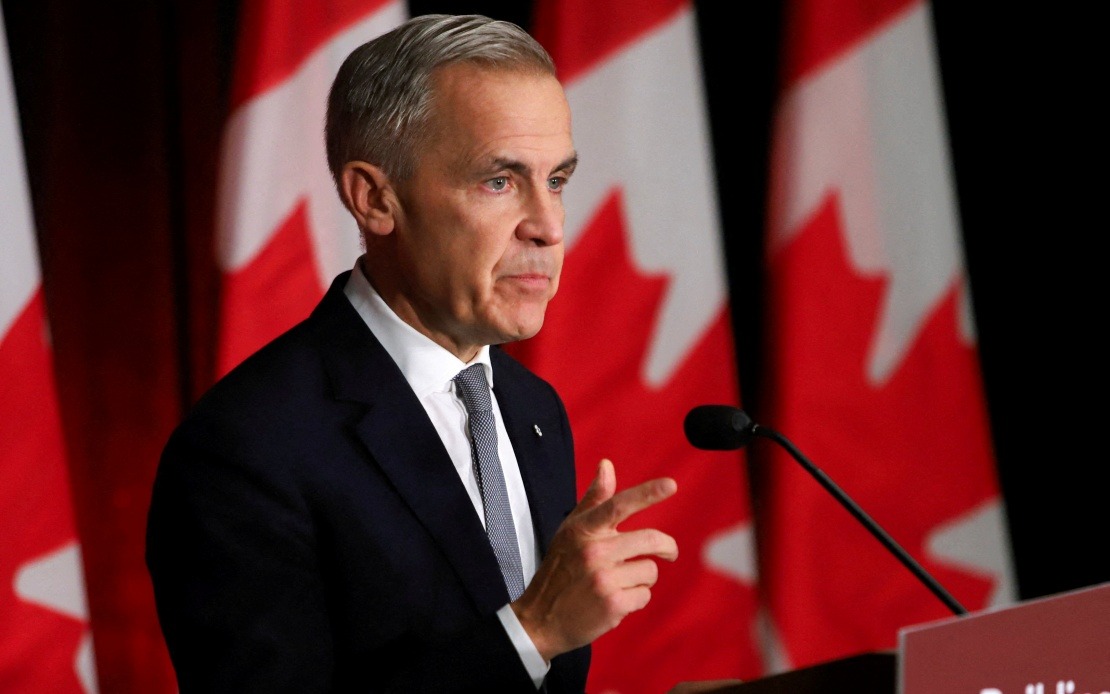
Canadian Prime Minister Mark Carney confirmed on Tuesday that he had engaged directly with US President Donald Trump, with both leaders committing to stepping up their trade discussions in the coming weeks. The announcement comes as tensions between Ottawa and Washington intensify over tariff disputes that threaten to disrupt bilateral commerce. Carney expressed determination to pursue renewed negotiations, signalling that Canada intends to take an active role in resolving the escalating trade friction between the two neighbouring economies.
The Canadian government faces mounting pressure following Trump's decision on Monday to sign three separate proclamations imposing an additional 50 per cent tariff on a range of Canadian products. The US administration justified the move by alleging that Canada had been engaging in discriminatory practices against American commerce. This latest action represents a significant escalation in trade tensions, moving beyond previous disputes and threatening to impose substantial duties on goods central to Canada's export economy.
The additional ad valorem tariffs, which will take effect on August 19, target specific product categories that form the backbone of Canada-US bilateral trade. Dairy products, alcoholic beverages, motor vehicles, and related automotive goods will all face the new 50 per cent duties once the proclamations are implemented. However, the Trump administration carved out certain exemptions from the tariff regime, notably excluding energy products, potash, fish, and critical minerals from the additional levies. This selective approach suggests ongoing negotiations over which sectors warrant protection or exemption.
Carney moved quickly to push back against the American action, characterizing the tariff measures as part of a broader pattern of unilateral trade aggression by Washington. The Canadian Prime Minister explicitly invoked the Canada-United States-Mexico Agreement, arguing that the new tariffs directly violate the trilateral trade framework that has governed North American commerce since its implementation. This legal challenge reflects Ottawa's intention to contest the tariffs through both diplomatic channels and potentially through formal dispute mechanisms embedded within the continental trade agreement.
For Malaysia and other Southeast Asian nations, the Canada-US trade dispute carries important implications. The region has long benefited from stable North American trade relationships that support global supply chains. Tariffs on Canadian automotive products and agricultural goods can have ripple effects across international commerce, potentially increasing costs for manufacturers and consumers throughout the region. Malaysian companies with connections to North American supply chains may face indirect consequences if trade barriers disrupt the flow of critical inputs and components.
The timing of these tariff announcements places both governments in a delicate position as they prepare for intensified negotiations. Carney indicated that Canada remains prepared to explore all available response options should the tariffs ultimately be implemented as scheduled. This language suggests Ottawa is considering retaliatory measures, though it also leaves room for diplomatic breakthrough in the coming weeks. The window between now and August 19 thus becomes a critical period for negotiators from both countries to find common ground.
The automotive sector stands as a particularly sensitive flashpoint in these negotiations, given the deeply integrated nature of Canadian and American vehicle manufacturing. Numerous major producers operate facilities on both sides of the border, with cross-border supply chains essential to production efficiency. A 50 per cent tariff on motor vehicles and related goods could substantially increase production costs across the continent, potentially forcing manufacturers to reassess sourcing strategies and investment decisions. This uncertainty creates headwinds for an industry already navigating global economic challenges and the transition toward electric vehicles.
Canada's exemption of energy products from the tariff regime may reflect the economic reality that both countries maintain significant interdependencies in this sector. However, the inclusion of potash in the exempt list is notable, as it signals recognition of Saskatchewan's critical role in global fertilizer supply. The decision to protect certain commodities while targeting others suggests that negotiations have already identified sectors where flexibility exists and areas where either side maintains stronger political will to protect domestic interests.
Looking forward, the success of intensified negotiations will depend on both sides' willingness to move beyond their stated positions. Carney's framing of the discussions as an opportunity to find solutions stands in contrast to Trump's hardline approach justifying the tariffs. Bridging this gap will require creative solutions that address American concerns about trade imbalances while respecting the obligations both nations undertook when signing the continental trade agreement. The coming weeks will test whether diplomatic channels can resolve what has become a serious disruption to one of the world's largest bilateral trading relationships.

