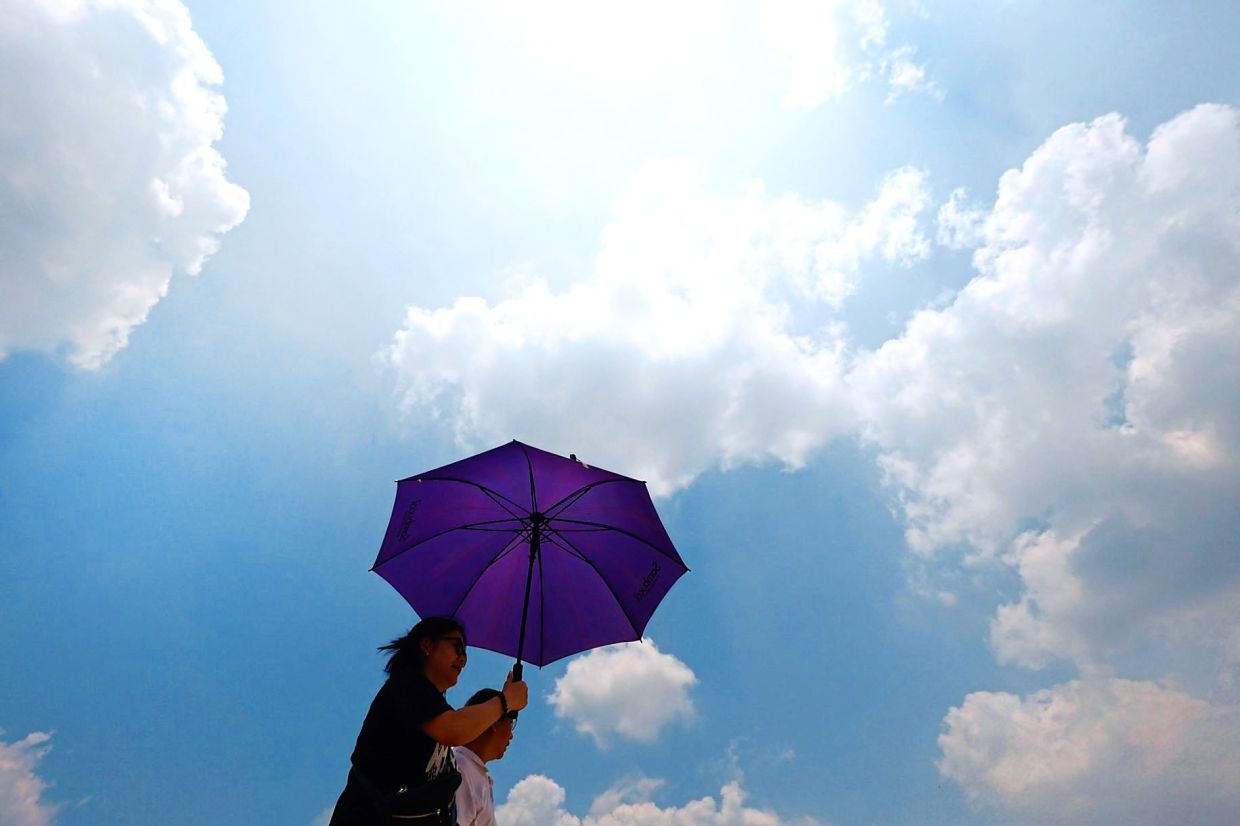
The World Health Organization issued a sobering assessment on June 30, 2026, declaring that heatwaves will grow steadily more frequent, more intense, and longer-lasting in the years ahead. The warning followed a devastating period across Europe when record-breaking temperatures claimed dozens of lives. WHO Europe regional director Dr Hans Kluge emphasized that heatwaves are no longer isolated meteorological events but rather recurring crises that societies must prepare for systematically.
While climate change continues to worsen heatwaves globally, the crucial question emerges: can the human body evolve or adjust to withstand extreme heat? Medical meteorologist Kathrin Graw from Germany's Deutscher Wetterdienst (DWD) offers a qualified answer—yes, but only within narrow confines. The body possesses genuine physiological capacity to acclimatize to elevated temperatures, yet this ability comes with significant constraints that experts are only beginning to fully understand.
Graw's research reveals a troubling pattern: the cumulative burden of heat intensifies as heatwaves persist. Each successive day of exposure compounds physical strain, particularly when evening temperatures fail to drop sufficiently for meaningful recovery. Deteriorating sleep quality during warm nights undermines the body's ability to cope with the following day's heat stress, creating a compounding cycle of exhaustion and vulnerability. This cascading effect explains why prolonged heatwaves prove far more lethal than brief heat spikes.
Data from recent DWD studies underscores the dangerous acceleration in mortality during extended heat events. Among individuals with cardiovascular disease, heat-related excess deaths climb to 8.5 percent above normal levels during the initial days of a heatwave. However, by the eleventh and twelfth days of continuous heat, this figure surges to 18 percent, representing more than a doubling of risk. This stark escalation demonstrates how sustained thermal stress overwhelms even the body's adaptive mechanisms.
Despite these limitations, humans do possess the capacity for seasonal adaptation within a single summer season. Weather services, including Germany's DWD, have incorporated this understanding into their alert systems. Heat warning thresholds are deliberately set lower at summer's beginning or following cooler periods, then adjusted upward as populations acclimatize through July and August. This graduated approach reflects the genuine physiological shifts that occur as bodies gradually adjust to warmer conditions.
The more profound question concerns long-term adaptation across generations and decades. Certain evidence suggests that populations in southern regions, where heat exposure spans centuries, experience somewhat lower heat-related mortality compared to northern countries. This pattern hints at potential evolutionary or cultural advantages accumulated over time. However, Graw cautions strongly against assuming this pattern will continue or expand.
The critical constraint is speed. Human biological systems require time to adapt meaningfully, yet climate change is accelerating far too rapidly for evolutionary processes to keep pace. Temperature increases that might historically have unfolded across centuries are now compressed into decades, overwhelming the body's adaptive capacity. The mismatch between the pace of climate change and the pace of human physiology creates a dangerous gap that no amount of behavioral adjustment can bridge.
Vulnerable populations face disproportionate risk as heatwaves intensify. Older people experience reduced thermoregulatory efficiency, while children's bodies are still developing their heat-management systems. Pregnant women undergo metabolic changes that increase thermal sensitivity, and individuals with pre-existing cardiovascular, respiratory, or metabolic conditions find their conditions exacerbated by heat stress. For these groups, even moderate temperature increases can trigger serious health consequences.
For Southeast Asian readers, these findings carry particular urgency. The region already experiences tropical and subtropical climates with sustained high temperatures, yet the phenomenon of increasingly prolonged heatwaves represents a qualitative shift beyond historical patterns. Malaysia, Thailand, Indonesia, and neighboring nations have adapted culturally and architecturally to heat over centuries, yet the unprecedented intensity and duration of modern heatwaves may exceed these accumulated strategies. Healthcare systems in the region, already strained by existing demands, must prepare for surges in heat-related illness and mortality.
The implications extend beyond individual health to public health infrastructure, workplace productivity, and economic stability. Without aggressive climate mitigation and targeted adaptation measures—including improved urban cooling, healthcare preparedness, and workplace heat protocols—heatwaves will increasingly claim lives across the region. The WHO's warning represents not a distant possibility but an imminent challenge requiring immediate policy action and resource allocation.
Graw's research ultimately delivers a humbling message: the human body's adaptive capacity, while real, operates within finite boundaries that cannot be stretched indefinitely through willpower or acclimatization. As climate change accelerates beyond historical precedent, societies must prioritize aggressive emissions reductions alongside concrete adaptation strategies. Heat management cannot rely primarily on human biological adaptation but must instead focus on systemic interventions that reduce exposure and protect vulnerable populations.

