A 34-year-old man lost his life in a tragic roadside accident while preparing campaign materials for the upcoming Negeri Sembilan state election, highlighting the often-overlooked risks faced by ground-level election workers across Malaysia. The incident occurred on Jalan Kuala Sawah-Rantau near Kampung Belangkan yesterday evening, when the victim was struck by a heavy vehicle while stationed on the road shoulder carrying out flag installation duties for the 16th state election campaign.
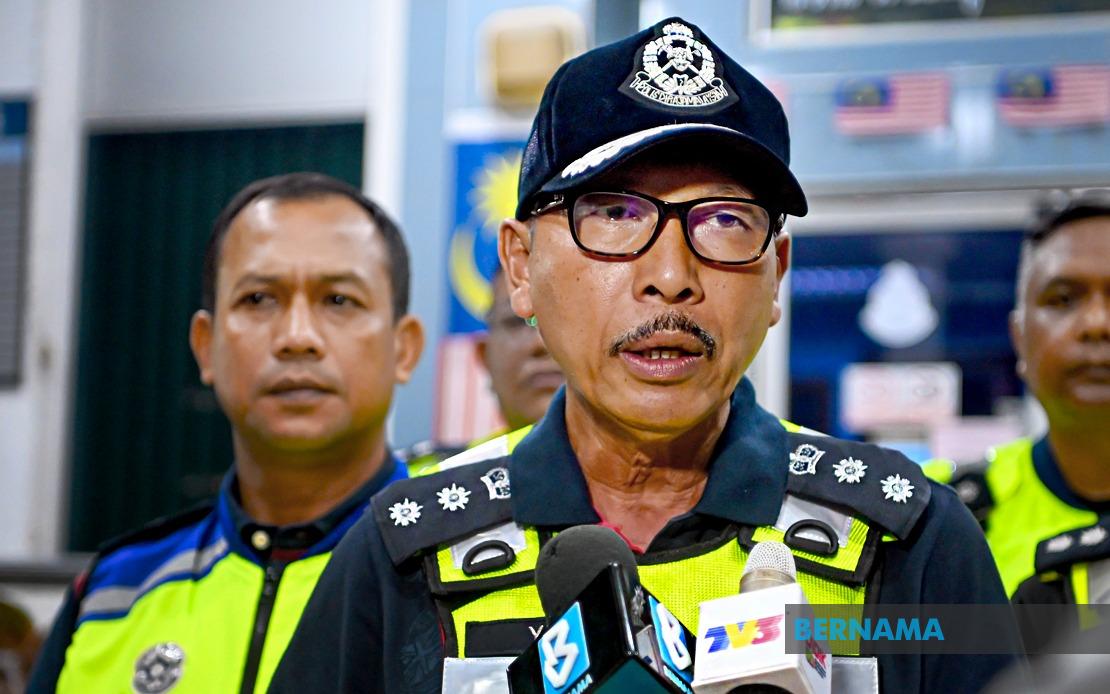
Seremban district police chief ACP Mohd Yatim Osman disclosed that the collision took place at approximately 6:40 pm, with initial investigations suggesting that a lorry of yet-unidentified registration had first struck a signpost before careening into the worker positioned nearby. The impact proved catastrophic, as the victim sustained severe injuries to his face and head, succumbing to his wounds before emergency services could provide medical intervention. Confirming his death at the scene underscores the severity of the collision and the lack of protective measures available to campaign volunteers operating in high-traffic zones.
The circumstances surrounding the accident point to a troubling pattern in Malaysian traffic incidents. According to ACP Mohd Yatim's statement, the lorry driver allegedly abandoned the scene immediately following the collision, leaving behind only wreckage and unanswered questions. The deliberate departure compounds the tragedy, as it prevents immediate identification of the driver and vehicle, complicating investigative efforts and raising serious concerns about accountability. Authorities have initiated a manhunt for both the lorry and its operator, though as of publication, neither has been located.
Election campaigns throughout Southeast Asia routinely involve thousands of volunteers who position themselves along roadsides, highways, and residential areas to hang banners, flags, and promotional materials. These individuals operate with minimal safety protocols, often working during peak traffic hours and in challenging weather conditions. Malaysia's regulatory framework, while comprehensive in many respects, does not mandate specific safety measures for campaign workers in high-traffic environments, leaving them vulnerable to precisely the kind of incident that claimed this volunteer's life.
The police have classified the case under Section 41(1) of the Road Transport Act 1987, which addresses failure to remain at the scene of an accident. This charge carries substantial penalties, though enforcement requires successful identification and apprehension of the responsible party. Investigations remain ongoing, with authorities requesting public assistance to locate the vehicle and gather witness testimony. The Seremban police have established contact channels for information, with investigating officer Insp Nor Fadzilah Mohd Zainuddin coordinating the inquiry.
For Negeri Sembilan voters and residents, this tragedy raises uncomfortable questions about election preparedness and worker safety protocols. Campaign parties fielding volunteers bear a responsibility to establish comprehensive safety guidelines, including traffic management coordination with local authorities, appropriate signage placement, and timing restrictions to minimize exposure during peak traffic periods. Many election campaigns, particularly at the state and local level, operate with limited resources and minimal formalized safety training for volunteers, creating conditions where preventable accidents become possible.
The timing of the incident, during active election campaigning, also reflects broader infrastructure and road management challenges in Selangor's neighboring state. Jalan Kuala Sawah-Rantau, like many secondary roads in Malaysia, likely lacks dedicated pedestrian safety features or designated campaign worker zones that could reduce collision risks. Road design standards in most Malaysian jurisdictions do not account for temporary civilian activity related to electoral processes, despite the predictable surge in roadside presence during campaign seasons.
From a Southeast Asian perspective, this incident mirrors similar tragedies across the region where campaign volunteers face hazardous conditions with inadequate protection. Thailand, Indonesia, and the Philippines have all recorded campaign-related injuries and fatalities, yet systematic safety improvements remain elusive. The lack of standardized protocols suggests a regional gap in election administration frameworks, where enthusiasm for democratic participation outpaces practical safeguarding mechanisms.
The investigation's success will largely depend on identifying and locating the lorry, which requires witness cooperation and potentially surveillance footage from nearby businesses or residential properties. Authorities should consider expanding appeals beyond immediate law enforcement channels, utilizing social media and community networks to maximize the likelihood of locating the vehicle and driver. Public pressure often accelerates case resolution in hit-and-run incidents where community sentiment runs high.
This tragedy underscores the need for comprehensive election safety guidelines that extend beyond candidates and election officials to encompass the grassroots volunteers who comprise the backbone of campaign operations. Political parties, election commissions, and local authorities should collaborate to establish mandatory safety training, traffic coordination protocols, and insurance provisions for campaign workers. Such measures would not prevent all accidents, but they would demonstrate institutional commitment to protecting those who volunteer their time and effort to support democratic processes.

