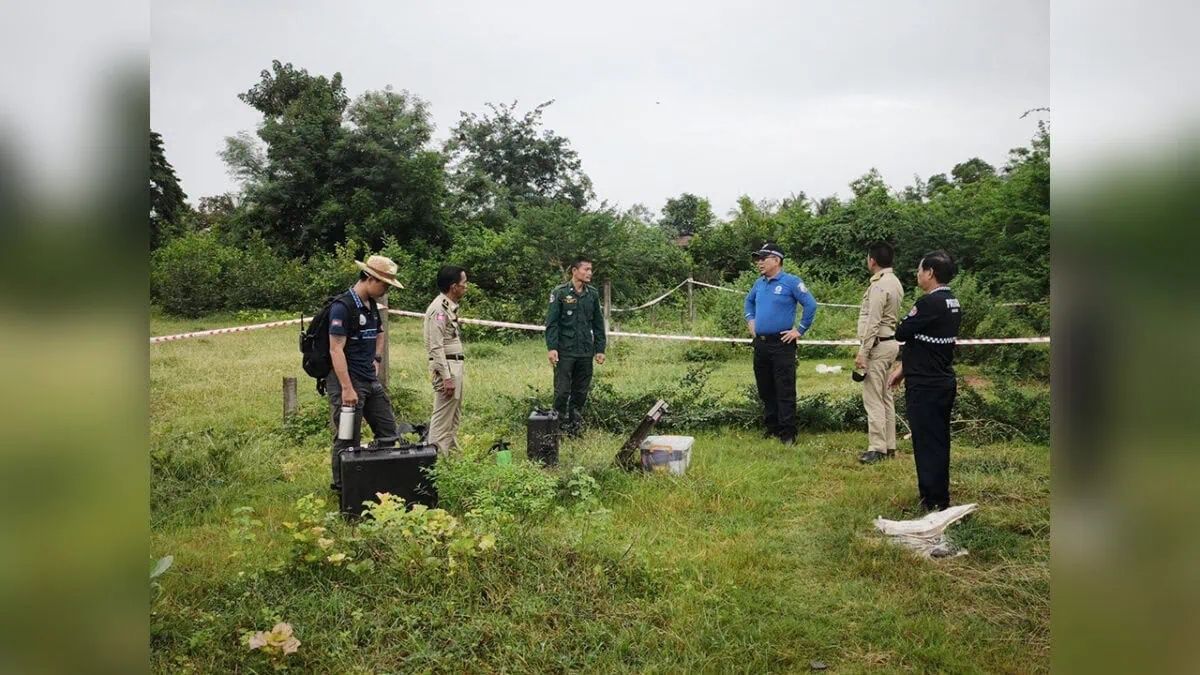
Cambodia's law enforcement agencies have initiated comprehensive investigations into the deaths of two young children whose bodies were discovered in Banteay Meanchey province on July 28, prompting immediate mobilisation of resources from the Cambodian National Police and the Child Protection Unit (CPU). The discovery of both victims within hours of each other has triggered a coordinated investigative response involving multiple government agencies, including the provincial police force and the Minister of Interior's Department of Technical and Scientific Police.
The first body discovered that morning was a 15-month-old child found in a pond located in Mongkol Borei district at approximately 8am. Hours later, authorities recovered the remains of a five-year-old child in Teuk Thla commune, who had been reported missing three days earlier on July 25. While both incidents occurred on the same day and in the same province, the CPU clarified in a statement released on August 3 that the two deaths are unrelated and each is being investigated as an independent homicide case rather than part of a broader pattern.
The discovery of these victims has put a spotlight on child safety challenges within Cambodia, a country that has faced persistent concerns regarding vulnerable populations. The simultaneous nature of these investigations underscores the significant operational demands placed on Cambodia's law enforcement infrastructure, particularly when addressing crimes against children. The deployment of forensic examination teams and investigative specialists to both scenes indicates the serious approach authorities are taking towards determining the circumstances surrounding each child's death.
James McCabe, director of the Child Protection Unit, emphasised the commitment of both local law enforcement and partnering organisations to conducting thorough inquiries. In his statement, McCabe outlined that investigative teams are mobilising all available resources and capabilities to pursue both homicide investigations with full intensity. The CPU director's public commitment to deploying comprehensive investigative efforts signals the priority being assigned to these cases and the determination to bring those responsible before the courts for prosecution.
The involvement of the Department of Technical and Scientific Police alongside provincial authorities and the CPU reflects a multi-layered approach to criminal investigation that brings together general law enforcement, specialised forensic expertise, and child protection expertise. This coordinated structure is designed to ensure that investigative procedures meet professional standards and that evidence gathering is conducted according to established protocols. The presence of multiple agencies also suggests recognition that investigations involving child victims require heightened scrutiny and cross-institutional communication to prevent oversight.
For Malaysia and other Southeast Asian nations observing Cambodian developments, these cases highlight broader regional challenges concerning child protection and investigative capacity in developing economies. Cambodia's willingness to involve specialised units and deploy technical resources demonstrates institutional recognition of the gravity involved, yet also raises questions about systemic vulnerabilities that may have allowed such incidents to occur. The region's child protection frameworks remain inconsistently resourced, with some jurisdictions possessing more advanced forensic and investigative capabilities than others.
The CPU and Cambodian National Police have indicated that operational secrecy will be maintained throughout the investigative process, with authorities declining to release further details while inquiries remain active. This operational stance is standard practice in active homicide investigations, intended to protect the integrity of evidence collection and avoid compromising potential prosecutions. However, the public nature of the initial disclosures underscores authorities' willingness to maintain transparency regarding the initiation of investigations while protecting sensitive investigative details.
The tragic circumstances surrounding both children have prompted expressions of condolence from law enforcement leadership towards the affected families. Beyond expressions of sympathy, authorities have reaffirmed their institutional commitment to securing justice through thorough criminal prosecution. This messaging serves both to comfort grieving families and to signal to the broader public that child protection matters receive serious priority within Cambodia's law enforcement apparatus.
These incidents occur against a backdrop of Cambodia's ongoing efforts to strengthen child protection mechanisms and improve investigative standards. Regional observers will be watching how thoroughly authorities pursue these investigations and whether successful prosecutions result. For Malaysian policymakers and child protection advocates, the Cambodian cases serve as a reminder of the ongoing vulnerabilities facing children across Southeast Asia and the necessity of sustained investment in forensic capabilities, investigative training, and victim support systems to prevent such tragedies.

