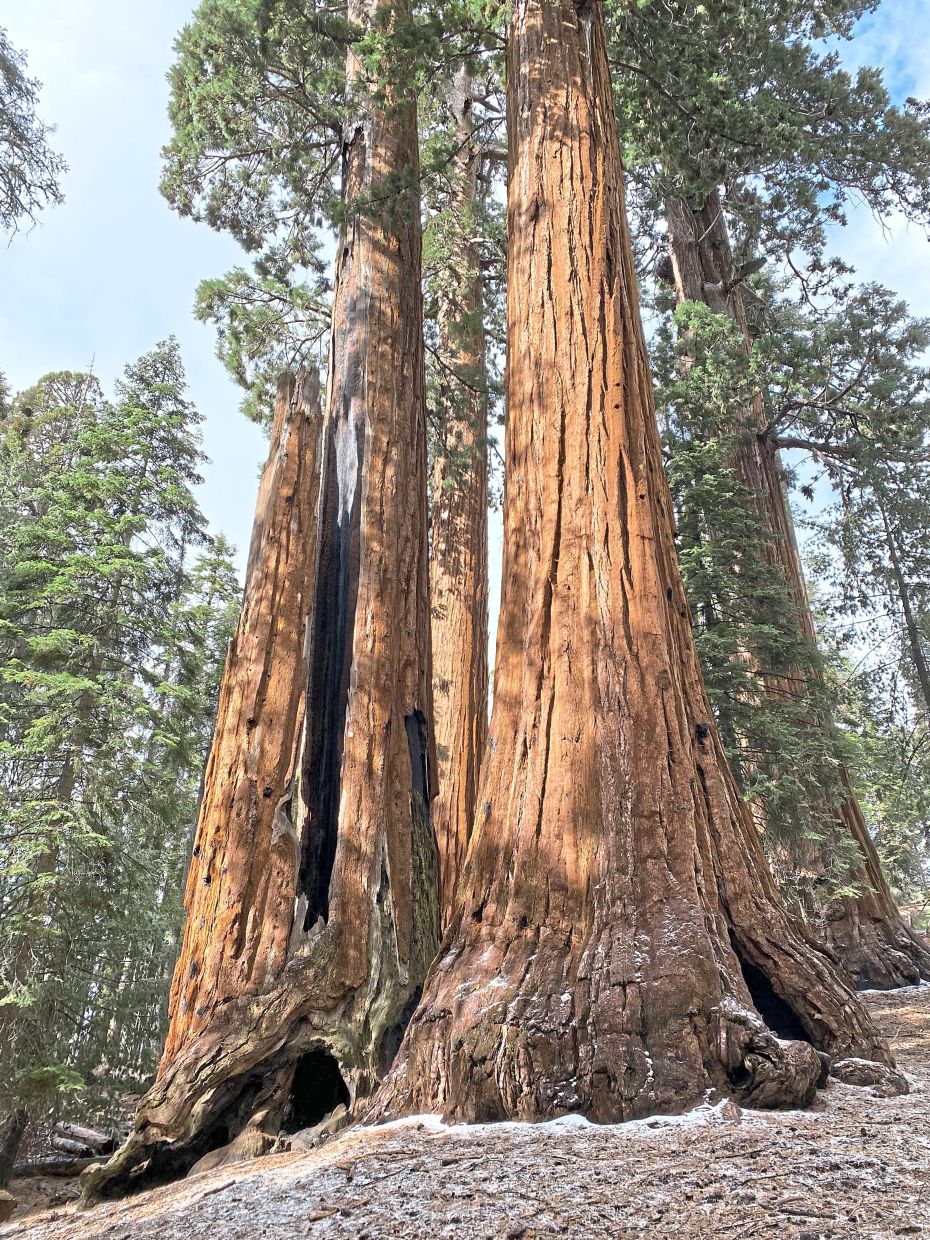
When wildfires swept through California's southern Sierra Nevada mountains in 2020 and 2021, they left behind a stark reminder of humanity's complicated relationship with nature. Nearly 20 percent of the world's giant sequoias—towering trees that can live three millennia and reach heights of 91.5 metres—were destroyed in the blazes that tore through Sequoia National Park, Sequoia National Forest and surrounding regions. The scale of the destruction shocked scientists, park officials and environmental advocates alike, prompting an unprecedented collaborative response that is now showing tangible results as another fire season approaches.
The catastrophic losses fundamentally altered how resource managers view these irreplaceable ancient forests. Kevin Conway, the state forests programme manager for Cal Fire, California's primary firefighting agency, reflected on the emotional toll of witnessing landscapes transformed by uncontrollable flames. The fires exposed vulnerabilities in ecosystems that many had assumed were resilient, forcing experts to confront uncomfortable questions about decades of forest management decisions. Out of this crisis emerged a determination to prevent similar tragedies by fundamentally rethinking how these groves are protected and maintained.
In response, a partnership called the Giant Sequoia Lands Coalition was formally established, bringing together eight primary institutions with overlapping jurisdiction over the regions where California's 94 giant sequoia groves are located. The coalition includes Cal Fire, California State Parks, the National Park Service, Tulare County, the Tule River Indian Tribe of California, UC Berkeley, the US Forest Service, and the federal Bureau of Land Management. An additional nine organisations contribute scientific expertise, financial resources and logistical support. This unprecedented alignment of government agencies, tribal authorities, academic institutions and nonprofits represents a recognition that safeguarding these forests requires coordinated action transcending traditional administrative boundaries.
Since beginning formal restoration work in 2022, the coalition has implemented an aggressive multifaceted approach to reducing wildfire risk. Teams have systematically thinned overgrown brush and understorey vegetation across 44 of the 94 giant sequoia groves, removing species such as white fir, red fir and incense cedar that create fuel ladders for fires. Crews have also felled large sugar pines and ponderosa pines killed during recent droughts, clearing accumulated deadwood that would otherwise feed intensifying flames. The scale is remarkable—over the past four years, this work has reduced fire danger across approximately 9,409 hectares. Additionally, workers have planted more than 682,000 sequoia seedlings in severely burned areas, laying the foundation for forest regeneration.
Controlled burns conducted during seasons when conditions are safe represent another critical component of the restoration strategy. These prescribed fires, informed by Indigenous burning practices employed for centuries before European settlement, serve multiple ecological functions. They consume accumulated debris that would otherwise fuel catastrophic wildfires, they reduce understorey competition allowing giant sequoia seedlings better access to sunlight and soil moisture, and they restore fire cycles these forests evolved to depend upon. The philosophical shift here is significant—fire, historically viewed as the enemy to be eliminated at all costs, is now recognised as an essential ecological process that these ancient forests require for long-term health and resilience.
Understanding the biological adaptations of giant sequoias provides crucial context for why this restoration work matters. These trees evolved specifically to coexist with fire, possessing distinctive features that protect them from flame damage. Their bark, which can grow approximately 60 centimetres thick, functions as natural insulation, shielding the living tissue beneath from intense heat. Additionally, their cones contain resin that requires fire's heat to melt and release seeds, making reproduction dependent on periodic burning. Before European settlement, lightning-sparked fires and Indigenous burning practices burned through these groves roughly every ten to twenty years, maintaining the ecological balance these trees required.
The current crisis stems largely from a century-long approach to fire suppression that inadvertently made these forests catastrophically vulnerable. Beginning around a hundred years ago, systematic efforts to extinguish all wildfires allowed understorey vegetation, brush and dead wood to accumulate to unnaturally dense levels. When wildfires eventually entered these overgrown groves, they burned with unprecedented intensity and heat, overwhelming the protective adaptations that had served these trees well for millennia. Climate change has exacerbated this problem significantly—rising temperatures dry out soils and vegetation, increasing fire severity while weakening tree resilience. Severe droughts in 2012-2016 and 2020-2022 killed millions of surrounding trees in the Sierra Nevada, creating additional fuel that feeds more intense conflagrations.
Kristen Shive, a fuels and forest specialist with the University of California Cooperative Extension Program at UC Berkeley, has directly witnessed the consequences of this management history. While surveying areas burned during the 2020 and 2021 fires, researchers encountered ancient sequoias that had survived for thousands of years only to be killed by flames that should never have burned so intensely in their groves. For experts like Shive, these losses represented more than ecological tragedy—they reflected the consequences of human decisions made with incomplete understanding of how these complex systems actually function. The realisation that millennia-old trees had been killed primarily through mismanagement rather than natural forces proved genuinely jarring for the scientific and management community.
Despite the scale of losses and the daunting challenge ahead, restoration leaders project cautious optimism about the coalition's trajectory. Steve Mietz, former superintendent of Redwood National Park and recent president of Save the Redwoods League, emphasises that although another fire season will inevitably arrive, the knowledge and capacity to protect these groves now exists. The coalition possesses proven methodologies, established protocols and demonstrated commitment to implementing solutions. The race against time is real, but it is a race that can be won through sustained effort and continued partnership among diverse stakeholders united by a common objective.
The restoration effort has not proceeded without controversy. In 2022, the Earth Island Institute sued the National Park Service seeking to halt fuel reduction projects planned for Merced Grove in Yosemite, arguing that insufficient environmental assessment had been conducted. Federal courts rejected this challenge, with the Ninth Circuit US Court of Appeals upholding dismissal of the case in 2023. This legal outcome validated the coalition's approach while signalling judicial recognition that fuel reduction represents necessary conservation work. Merced Grove itself has been threatened by six separate wildfires during the past fifteen years, underscoring the urgency of protective measures. Vegetation thinning and controlled burning operations began last year and will continue through the current season.
Economic dimensions of the restoration work warrant attention as well. Much of the debris generated by thinning operations is carefully burned during controlled seasons, reducing accumulation of dangerous fuel. However, larger timber pieces salvaged from private lands or Cal Fire-owned demonstration forests can be sold to lumber companies, offsetting portions of the substantial costs associated with large-scale vegetation management. This economic model creates incentive structures encouraging participation while generating revenue that extends the programme's financial sustainability—a pragmatic recognition that large-scale environmental restoration requires creative funding mechanisms.
The broader significance of this effort extends beyond California's borders. The Giant Sequoia Lands Coalition represents a model for addressing climate change and fire risk in forest ecosystems throughout the Western United States and beyond. As climate patterns shift and fire seasons intensify globally, the approaches being tested and refined in California's Sierra Nevada may inform management strategies in other biodiverse regions facing similar threats. The coalition's integration of scientific expertise with Indigenous ecological knowledge, its bridging of government, nonprofit and academic sectors, and its willingness to fundamentally rethink established management paradigms offer valuable lessons for conservation efforts worldwide. The stakes are nothing less than preserving some of Earth's most magnificent and ancient living organisms for generations yet to come.

