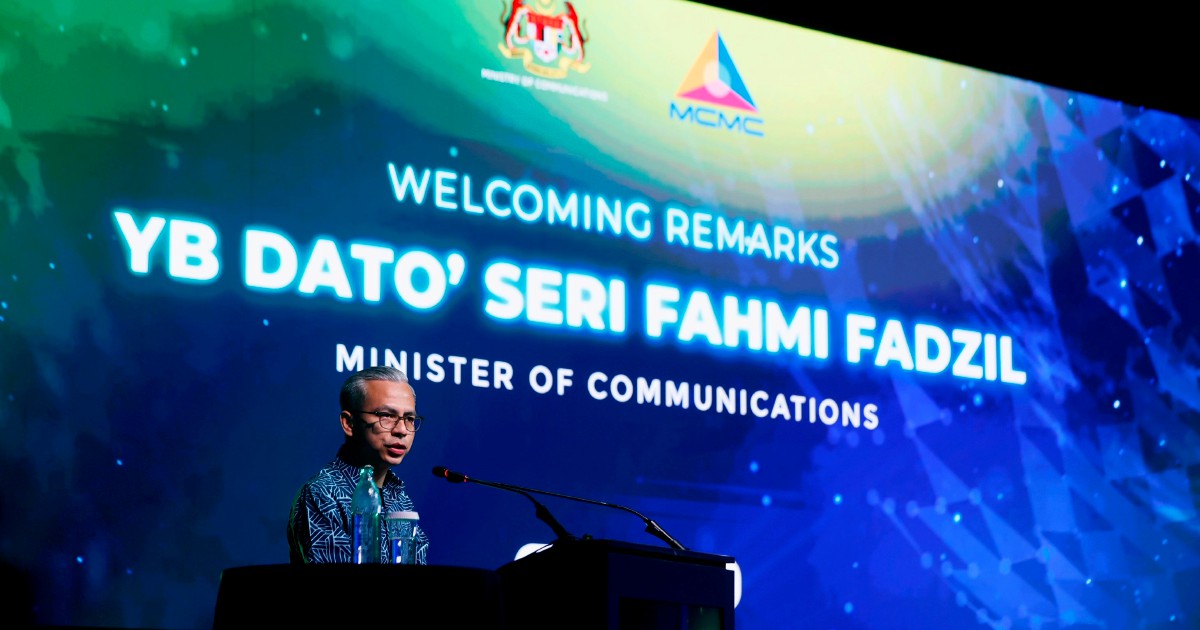
Malaysia's Cabinet maintains solid footing despite recent public remarks about ministerial discipline that sparked speculation of internal tensions, Communications Minister Datuk Seri Fahmi Fadzil declared today. The minister's statement comes following exchanges between senior government figures regarding proper conduct by Cabinet members during the Negri Sembilan election campaign, a political engagement that had drawn scrutiny and comment from various quarters of the executive.
Fahmi's remarks, made in Kuala Pilah, underscore the government's effort to project an image of cohesion at a time when political observers have been watching for signs of friction within Malaysia's coalition administration. The minister's direct dismissal of rift speculation suggests that the government believes such concerns are overblown and that underlying agreements among Cabinet members remain intact despite surface-level disagreements over specific policy applications or disciplinary standards.
The Negri Sembilan state election campaign provided the backdrop for discussions about how federal ministers should conduct themselves when supporting local electoral efforts. Such campaigns often create tensions between national-level officials and state-level operations, particularly when questions arise about appropriate resource deployment, messaging alignment, or the extent to which ministerial authority should be exercised. The public nature of recent exchanges indicated that different Cabinet members held varying perspectives on where boundaries should be drawn.
Fahmi's choice to characterise the recent tensions as minor enough to be addressed over a meal rather than through formal mediation speaks to his assessment that fundamental disagreements do not threaten Cabinet stability. The informal nature of the resolution process he highlighted—a simple lunch meeting—suggests that government officials view the matter as a routine adjustment rather than evidence of deeper philosophical or operational divisions within the executive branch.
For Malaysian governance, Cabinet unity carries particular significance given the coalition nature of the current administration and the necessity of maintaining partner confidence. When different ministers engage in public exchanges about conduct expectations, it inevitably prompts speculation about whether underlying partnership agreements are cracking. Fahmi's intervention appears designed to reassure both coalition partners and the broader business and international communities that the government remains capable of coordinated policy implementation.
The communications minister's message also reflects understanding that prolonged public disputes over ministerial discipline can undermine public confidence in government decision-making. Citizens and investors benefit from perceiving their government as operating according to settled internal procedures rather than ad-hoc conflict resolution. By emphasizing that disagreements were minor and resolved through standard interaction, Fahmi signals that institutional processes remain functional.
The Negri Sembilan election campaign itself represents an important electoral event for the coalition, as state-level contests serve as barometers of national political strength. When ministerial discipline becomes an issue during such campaigns, it can distract from substantive policy messaging and campaign platforms. Fahmi's swift response to rift speculation serves to refocus attention away from internal governance questions back toward the electoral outcomes that coalition members actually care about.
Regionally, Malaysian Cabinet stability matters beyond Kuala Lumpur. Southeast Asian observers and international partners monitor Malaysian government cohesion as an indicator of political stability within the region. Extended public disputes about Cabinet discipline can prompt international concern about institutional stability and policy continuity. Fahmi's reassurances, therefore, carry implications for Malaysia's diplomatic standing and for the confidence that trading partners and investors place in the government's ability to implement consistent economic and regulatory policies.
The minister's comments also establish a framework for how the Cabinet will handle similar disagreements in future. By characterizing resolution through informal dialogue as the appropriate approach, Fahmi signals that minor operational disputes need not become public spectacles or formal matters requiring unprecedented intervention. This approach preserves both the authority of senior ministers and the appearance of united government action—a delicate balance that coalition governments must constantly maintain.
As Malaysia's political landscape continues to evolve following recent electoral cycles, the management of Cabinet discipline remains an ongoing concern. Fahmi's comments suggest that the government believes it has developed sufficient confidence-building mechanisms to weather disagreements without allowing them to metastasize into genuine rifts. Whether those mechanisms prove adequate to the pressures that coalition governance inevitably creates remains a question that observers will continue monitoring through upcoming electoral cycles and policy implementation phases.
The broader backdrop for these assurances involves the need for the current administration to demonstrate both internal discipline and external unity. Coalition members must satisfy their own party bases while maintaining working relationships with partner organizations. The recent disciplinary questions during the Negri Sembilan campaign reflect this underlying tension, but Fahmi's characterization suggests that such tensions remain manageable within existing institutional frameworks rather than signalling fundamental breakdown in government cohesion.

