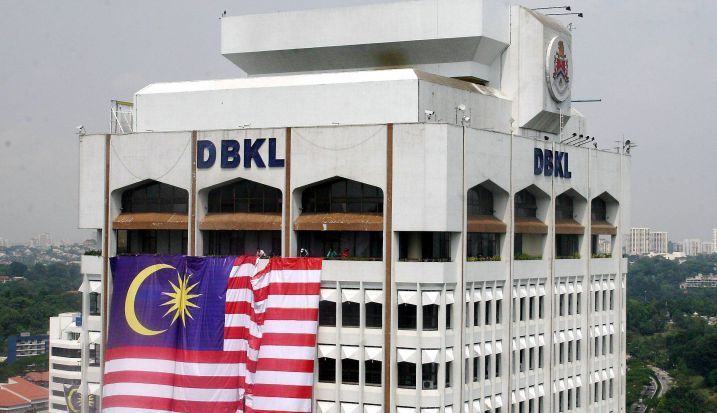
The Malaysian Cabinet has decided to delay any legislative amendments to the Federal Capital Act 1960 and instead focus on overhauling internal governance structures at Kuala Lumpur City Hall (DBKL), according to a directive issued through the Federal Territories Department (JWP). Minister in the Prime Minister's Department (Federal Territories) Hannah Yeoh announced the decision following the Cabinet's review of a comprehensive feasibility study on proposed changes to the Act, formally known as Act 190, which has governed the nation's capital since its enactment six decades ago.
The government's shift in approach reflects growing recognition that DBKL's operational challenges may not stem primarily from legislative shortcomings but rather from internal administrative weaknesses. A four-month investigation conducted by the International Islamic University Malaysia (IIUM) from December to March examined the city hall's structural framework, decision-making apparatus, service delivery mechanisms, enforcement protocols, and accountability systems. The research team engaged extensively with Kuala Lumpur's parliamentarians and DBKL's senior management to understand the practical constraints facing the institution.
The IIUM study's most significant finding was its conclusion that many of DBKL's current difficulties trace back to inadequate internal guidelines, poorly defined operating procedures, and insufficient governance protocols governing meetings and executive decisions. Rather than attributing dysfunction to outdated legislation, the researchers identified gaps in institutional discipline and clarity as the primary obstacles to effective city administration. This diagnostic assessment has fundamentally reframed the reform debate away from legal restructuring toward practical administrative improvements that require no parliamentary action.
Two competing proposals for restructuring DBKL's governance had circulated in policy circles. The Prime Minister's Policy Advisory Committee had advocated establishing a Supreme Council to alter the legal standing of the mayor's office, while a coalition of Kuala Lumpur MPs proposed creating a City Council comprising the seven parliamentary representatives to serve as the mayor's advisory body. However, the IIUM study cautiously rejected both approaches, warning that introducing councillors with decision-making authority could inadvertently transform Kuala Lumpur from its current status as a "corporation sole" into a conventional local authority governed under the Local Government Act 1976—a change with potentially far-reaching constitutional implications.
The study argued that adding another governance layer would create overlapping responsibilities and obscure accountability lines, ultimately making it harder for citizens and elected officials to identify who bears responsibility for specific decisions or failures. Instead of multiplying administrative structures, the research team recommended strengthening DBKL's existing Advisory Board through the introduction of a formal governance framework that would establish clear criteria for appointing professionals and civil society representatives. This framework would also codify meeting procedures, establish protocols for reviewing proposals, define reporting requirements, and clarify working relationships among the board, mayor, minister, and management.
Regarding the participation of Kuala Lumpur's MPs in city governance, the study proposed enhancing their monitoring and representational roles without granting them direct administrative authority. The researchers envisioned a system where parliamentarians could exercise oversight through regular consultation meetings, parliamentary monitoring committees, and budget review sessions, alongside formal channels for residents to raise concerns about local issues and development plans. This arrangement would preserve the constitutional distinction between political representation and administrative execution while giving MPs meaningful influence over city matters affecting their constituencies.
The fundamental legal issue underlying these debates concerns how Kuala Lumpur is administered under Section 5(1) of Act 190. The Act designates the mayor as the sole legal entity with authority—what the law terms a "corporation sole"—rather than vesting power in an elected or appointed council. This arrangement was intentional, reflecting both the Act's original design and the 1974 agreement by which Kuala Lumpur was placed under federal control. The IIUM study emphasized that altering this foundational structure would require meticulous deliberation given Kuala Lumpur's dual status as both the national seat of government and a Federal Territory, each with distinct constitutional significance.
For Malaysian readers and particularly those in other states, the DBKL governance question carries broader implications about how federal territories and major urban centres should be administered. The decision to prioritize internal reform over legislative change suggests the government believes administrative discipline and clearer operating procedures can yield results comparable to structural reorganization but with less institutional disruption. This approach may offer lessons applicable to other federal territories and metropolitan areas grappling with governance challenges.
The Cabinet has committed to overseeing implementation of the transformation plan that JWP and DBKL are now developing. This plan will focus on improving decision-making frameworks, establishing meaningful checks and balances, and enhancing overall management practices across city operations. Regular updates will be provided to the Cabinet as reforms progress, establishing a monitoring mechanism to ensure sustained attention and resource allocation to the transformation agenda.
The decision reflects a more cautious approach to institutional reform than some observers expected. Rather than pursuing dramatic structural overhauls that might generate political controversy or unintended consequences, the government is testing whether targeted administrative improvements can address most of DBKL's operational difficulties. If successful, this incremental strategy might buy sufficient time to observe whether enhanced internal governance meaningfully improves performance before proposing any amendments to Act 190. The study's recommendation to proceed initially through administrative measures rather than legislation provides political space for adjustments without requiring parliamentary approval for each adjustment.

