The Malaysian Cabinet has set a firm two-week deadline for the Ministry of Home Affairs (KDN) and Ministry of Transport (MOT) to present a comprehensive strategy aimed at fortifying security protocols across the nation's airports. Home Minister Datuk Seri Saifuddin Nasution Ismail announced the directive while in Sandakan, emphasising that Cabinet members view with considerable gravity the succession of incidents that have recently unfolded, each serving to undermine public confidence in airport security infrastructure and casting doubt on the effectiveness of existing safeguards.
The decision to establish this accelerated timeline reflects deep concern within the highest levels of government regarding the reputational damage inflicted by these breaches. Saifuddin indicated that the incidents have fostered a troubling perception that security checkpoints at Malaysian airports are vulnerable to circumvention, prompting an urgent need for coordinated reform. He outlined that relevant agencies are already mobilising resources to design a detailed improvement framework that will address identified vulnerabilities and establish more robust operational procedures.
Recent events have particularly highlighted gaps in airport security protocols. A notable case involved the arrest of a Malaysian pilot at Indonesia's Soekarno-Hatta Airport following the discovery of approximately 25 kilograms of MDMA narcotics, an incident that exemplifies the consequences of inadequate screening mechanisms and has intensified scrutiny of cross-border security coordination. Such high-profile breaches carry significant implications for Malaysia's standing in international aviation circles and raise questions about whether current systems meet contemporary security standards.
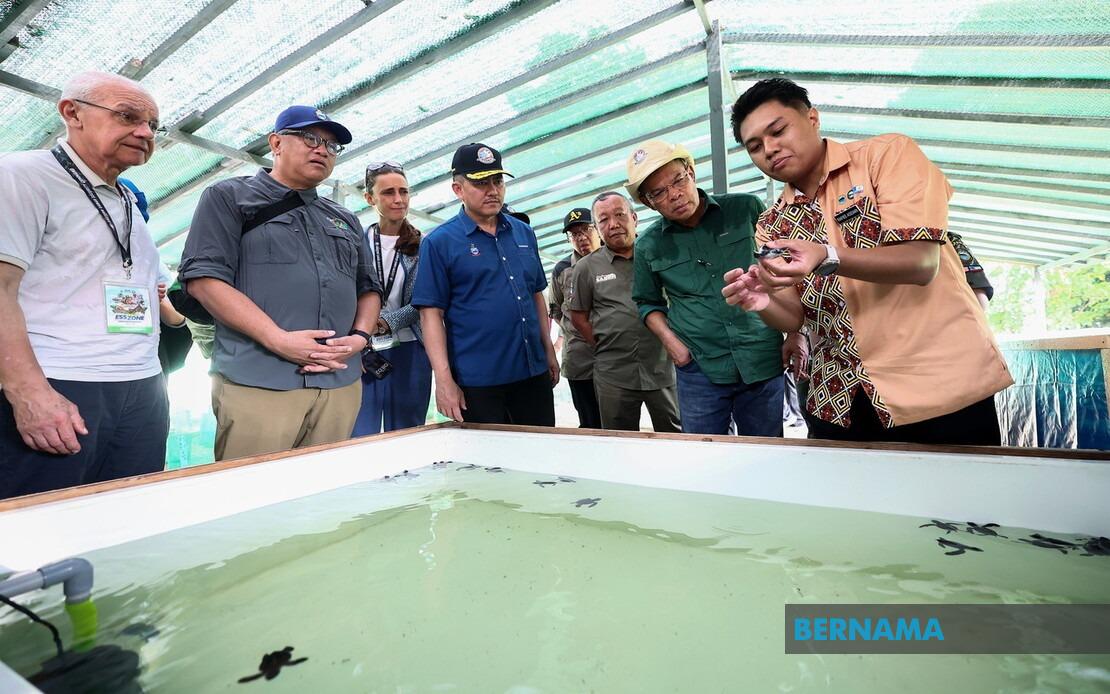
The Home Minister's announcement emerged during a broader diplomatic initiative aimed at rehabilitating Malaysia's security image in international circles. Saifuddin was conducting a familiarisation tour through the Eastern Sabah Security Zone with fourteen diplomatic representatives from various nations, a deliberate effort to demonstrate improvements in regional stability and encourage a reassessment of travel warnings. This strategic engagement reveals recognition that security concerns, whether real or perceived, carry tangible economic consequences through deterred tourism and investor confidence.
The diplomatic outreach has already yielded measurable results. Japan and Switzerland have revised their travel advisories downward following sustained engagement and evidence presentations from Malaysian authorities. These policy adjustments represent significant diplomatic wins, as negative travel warnings directly impact tourism revenue and business investment. The government's decision to invite foreign diplomats on guided visits to strategic locations and key tourist destinations reflects a calculated approach to countering outdated perceptions with firsthand observation of improved conditions.
Operational data from the Eastern Sabah Security Zone underscores considerable enforcement activity in recent months. Between January and June 30, the ESSCOM coordination mechanism conducted nearly 900,000 inspections and executed 307 arrests, demonstrating active monitoring capacity. Seizure operations during this six-month span yielded 38 confiscations collectively valued at RM23.37 million, achieved through enhanced land and maritime surveillance mechanisms. These figures illustrate that security agencies possess significant operational capability, though apparently additional coordination and resource allocation remain necessary.
The government has demonstrated substantial financial commitment to regional security infrastructure. Over ESSCOM's thirteen-year operational history, the federal government has channelled RM723 million into the Eastern Sabah Security Zone for equipment acquisition, operational expenses, and logistical support. This substantial investment underscores the strategic importance placed on safeguarding national sovereignty in this sensitive maritime region, though questions persist regarding whether deployed resources are optimally configured and coordinated to prevent the types of vulnerabilities recently exposed.
The airport security initiative reflects broader government recognition that interconnected security systems—spanning aviation, border control, and maritime enforcement—require integrated strategic planning rather than siloed departmental responses. The two-week deadline creates pressure for rapid policy formulation that must balance enhanced security measures against operational efficiency and traveller convenience. This timeline suggests Cabinet members expect proposed solutions to draw upon existing best practices and international standards rather than requiring entirely novel frameworks.
For Malaysian readers and businesses, the implications extend across multiple sectors. Tourism operators depend on international confidence in safety; logistics and cargo industries require efficient but secure airport operations; and the aviation sector navigates complex regulatory expectations. The security overhaul represents an opportunity to standardise procedures across all major airports while building institutional resilience against emerging threats. However, successful implementation will require sustained funding, staff training, and technological investment beyond the initial planning phase.

