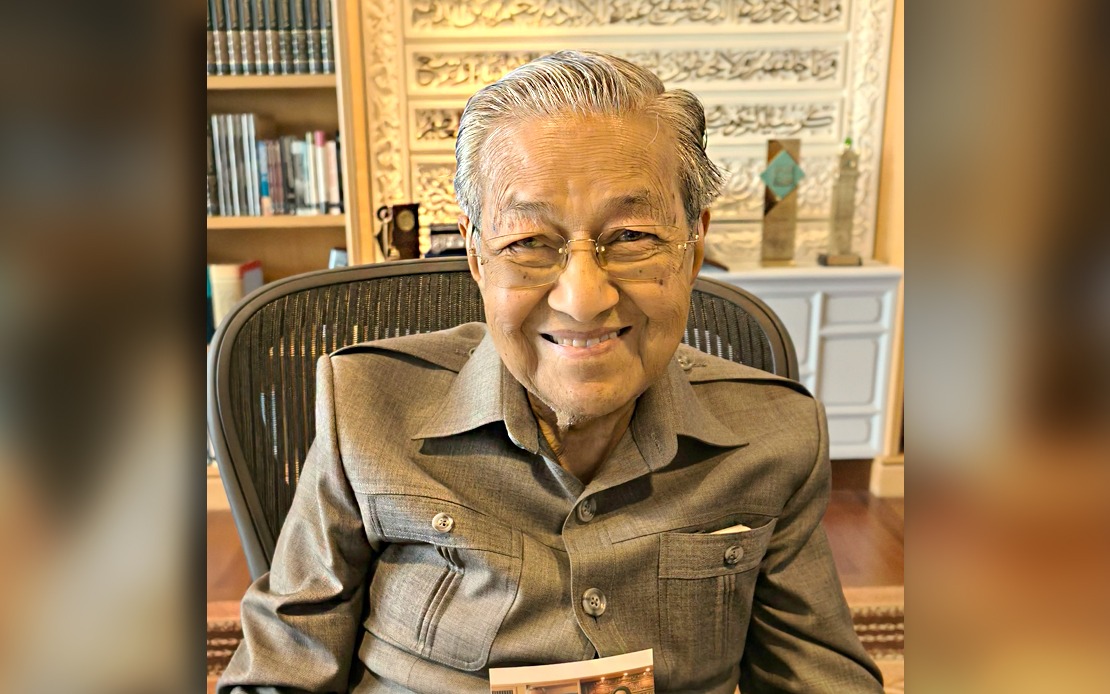
Malaysia's Cabinet ministers have joined in marking a significant milestone as former Prime Minister Tun Dr Mahathir Mohamad turns 101 years old today, with several senior figures extending warm greetings and prayers for the veteran statesman's continued wellbeing. The birthday acknowledgements, shared primarily through social media, underscore the respect Dr Mahathir continues to command across Malaysia's political establishment, nearly two decades after first stepping down from his initial tenure as premier.
Communications Minister Datuk Fahmi Fadzil posted a public message expressing hopes that the centenarian would enjoy sustained good health, happiness, and a life rich with blessings. His tribute, characteristic of the formal yet heartfelt tone adopted by government figures, highlights Dr Mahathir's ongoing significance within Malaysia's political landscape. The minister's invocation of both material wellbeing and spiritual blessings reflects customary Malaysian expressions of respect for elders, particularly those of national standing.
The birthday acknowledgements extended beyond Datuk Fahmi's remarks, with Minister in the Prime Minister's Department (Law and Institutional Reform) Datuk Seri Azalina Othman Said and Higher Education Minister Datuk Seri Dr Zambry Abd Kadir also publicly marking the occasion. Both ministers echoed similar sentiments, emphasising their prayers for Dr Mahathir's enduring health while invoking divine blessing and mercy upon the former premier. These coordinated expressions of goodwill suggest an institutional acknowledgement of Dr Mahathir's historical importance to the nation.
Dr Mahathir's journey to this centennial celebration began on July 10, 1925, in Alor Setar, Kedah, a career spanning more than a century marked by significant political transitions. His tenure as Malaysia's fourth Prime Minister, stretching across 22 consecutive years from 1981 to 2003, profoundly shaped the nation's economic development, institutional frameworks, and international standing. During this period, he oversaw major infrastructure projects, pursued ambitious industrialisation strategies, and navigated Malaysia through regional and global economic shifts.
The longevity of his initial premiership reflects both his political acumen and the relative stability he provided during a formative period for the nation. However, his legacy remains contested among historians and political observers, with admirers crediting him with modernising Malaysia's economy and infrastructure, while critics point to concerns regarding institutional independence, press freedom, and responses to dissent during his administration. This complexity ensures that discussions of Dr Mahathir's historical significance rarely achieve consensus.
Perhaps more remarkably, Dr Mahathir returned to the office of Prime Minister from 2018 to 2020 at the age of 92, a development that thrust him into the international spotlight and created unprecedented historical records. His comeback government emerged following the dramatic 2018 general election, which saw the defeat of the ruling coalition that had governed Malaysia for over six decades. At an age when most political figures have long retired, Dr Mahathir assumed responsibility for navigating complex domestic challenges and regional dynamics.
His second stint in office, though shorter than his initial tenure, carried considerable symbolic weight within Malaysian politics. The appointment made him the world's oldest prime minister in active service, garnering international attention and sometimes serving as a reference point in global discussions about political leadership and ageing. For Malaysia, his return represented both continuity with past governance traditions and a recognition that generational renewal in politics could take unexpected forms.
The reaching of his 101st birthday demonstrates remarkable longevity that transcends typical human lifespan expectations, particularly for someone whose career involved the stresses and demands of high-level political office. His ability to remain active and engaged in public discourse, evident from his occasional public appearances and statements on contemporary issues, continues to attract media attention and political commentary. Many Malaysians view his sustained vitality as a testament to personal resilience and robust health practices.
Beyond the immediate birthday celebrations, Dr Mahathir's advancing years prompt broader reflections within Malaysia's political establishment regarding succession planning, generational transition, and the role of elder statesmen in democratic governance. His extended career arc, spanning from independence-era politics through contemporary democratic challenges, provides a living link to Malaysia's historical development. The manner in which his legacy is remembered will likely continue evolving as scholars and political analysts reassess his contributions against changing standards of governance and accountability.
The public birthday wishes from Cabinet ministers, while ceremonial in nature, also serve practical political functions within Malaysia's hierarchical and protocol-conscious political culture. Such acknowledgements affirm respect for institutional history and established political figures, reinforcing social cohesion within governing structures. For Dr Mahathir himself, reaching 101 represents not merely a numerical milestone but a continuation of the influence and recognition that have characterised much of his public life.

